iAspirants
World War II's Impact on Asia Today
Published on:
Source: Indian Express
Share this post
Article Summary
Summary Notes on the Impact of World War II on Contemporary Global Politics
Historical Context
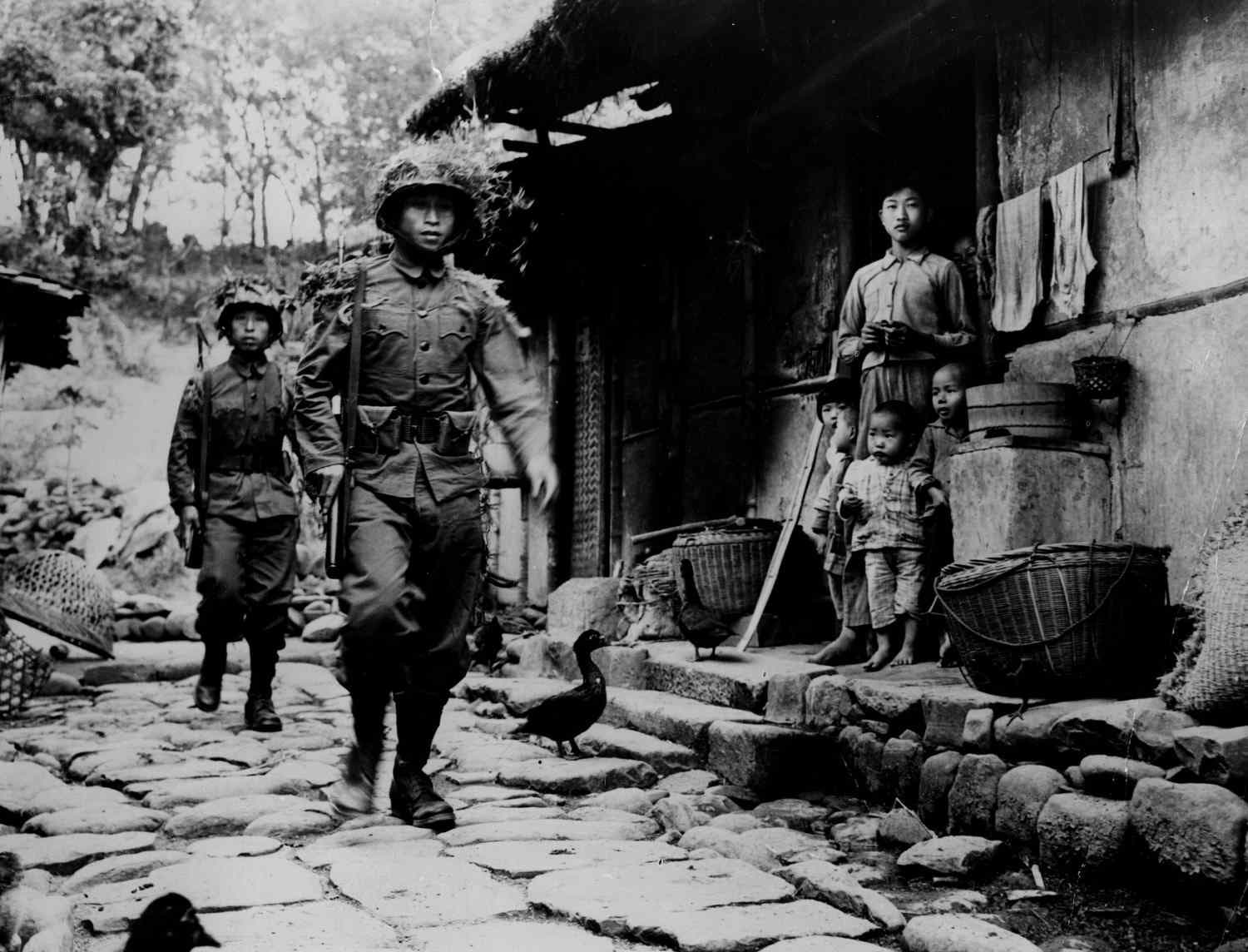
- World War II: Significant contributions from India with approximately 2.3 million Indians in armed forces and 14 million in war production.
- India played a crucial role against Imperial Japan in Southeast Asia, yet its contributions are largely overlooked in historical discourse.
Key Political Dynamics
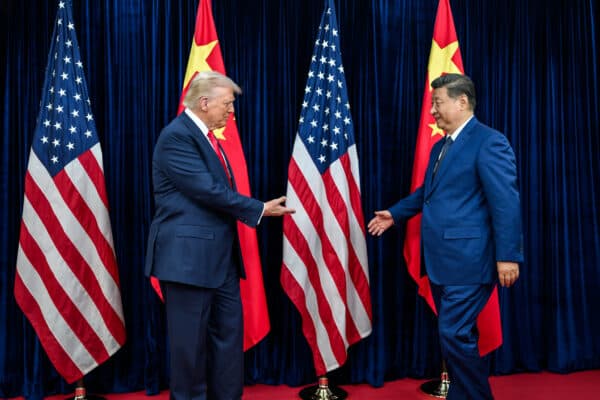
- Recent meeting between US President Donald Trump and Chinese President Xi Jinping reaffirmed the US-China alliance during WWII, framing both as victorious allies.
- Xi Jinping's narrative: China presents itself as a victor of the war, utilizing historical memory to challenge Japan and promoting a shift in power dynamics with the US.
- Japan's positioning: As a former adversary, Japan is currently faced with rising tensions and military disparities due to China's assertive policies. Prime Minister Sanae Takaichi sought reassurance from Trump amid concerns over Japan’s defense and military strategy.
International Relations
- US-Japan Alliance: Central to the post-war order established by the 1951 San Francisco Peace Treaty, still influential in Asian geopolitics.
- Beijing’s reinterpretation of wartime history aims to undermine US-Japan relations and reshape regional narratives.
India's Positioning
- India’s absence in the current discourse raises concerns. External Affairs Minister, Subrahmanyam Jaishankar highlighted India's sacrifices in foreign ministers' meetings, labeling the lack of recognition an historical injustice.
- India’s historical response to WWII was divided, with opposition to British involvement (Congress), shifting support from Communists, and Subhas Chandra Bose’s search for aid from Axis powers for independence.
Constitutional Relevance
- Importance of acknowledging the contributions of Indian soldiers to the war in terms of self-identity and positioning in global governance.
- Post-war marginalization has deep roots in India's fragmented national movement responses to WWII, affecting India's contemporary foreign policy discussions.
Modern Implications
- The historical neglect influences India’s current foreign policy discourse, leading to reliance on abstract concepts rather than historical context.
- Importance of integrating a thoughtful understanding of WWII's legacy into India’s international relations strategy to enhance its role in global governance.
Conclusions
- Reflecting on the historical narratives of WWII is essential not just for understanding current international dynamics but also for reshaping India's strategic posture and acknowledgment of its historical contributions to global peace and stability.
Key Terms & Concepts
| World War II | Conflict shaping global politics |
| US-China Alliance | Historical partnership referenced |
| Republic of China | US ally in WWII |
| People's Republic of China | Post-1949 state formation |
| Taiwan | Accused of narrative diplomacy |
| Japan | Former adversary of Allies |
| UN Charter | Contains enemy state clauses |
| 1951 Peace Settlement | Foundation of US-Japan alliance |
| Subrahmanyam Jaishankar | Highlighted India's WWII contribution |
| 2.3 million Indians | Served in WWII |
| 14 million Indians | Participated in war production |
| Quit India movement | Post-war independence struggle |