iAspirants
Current AffairsPrelims PYQsUPSC CSE SyllabusUPSC CSE StrategyBlogsPricing
Login
iAspirants

Your AI-powered companion for UPSC preparation.

Quick Links

  • Home
  • About Us
  • Current Affairs
  • Prelims PYQs
  • UPSC CSE Syllabus
  • UPSC CSE Strategy
  • Blogs

Company

  • Pricing
  • FAQs
  • Contact Us
  • Login

Legal

  • Privacy Policy
  • Terms & Conditions
  • Return Policy

© 2025 iAspirants, Inc. All rights reserved.

  1. Blogs
  2. International Relations

World War II's Impact on Asia

Published on: 02-Oct-2026

Source: Indian Express

Share this post
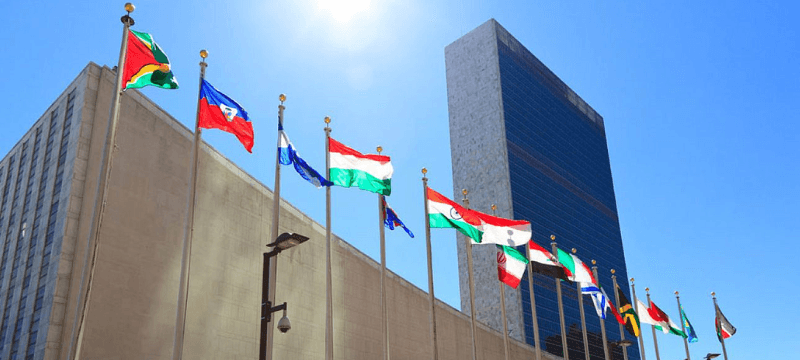
World War II's Impact on Asia

Article Summary

Exam-Focused Notes on World War II's Impact on Asia and Current International Relations

Historical Context:

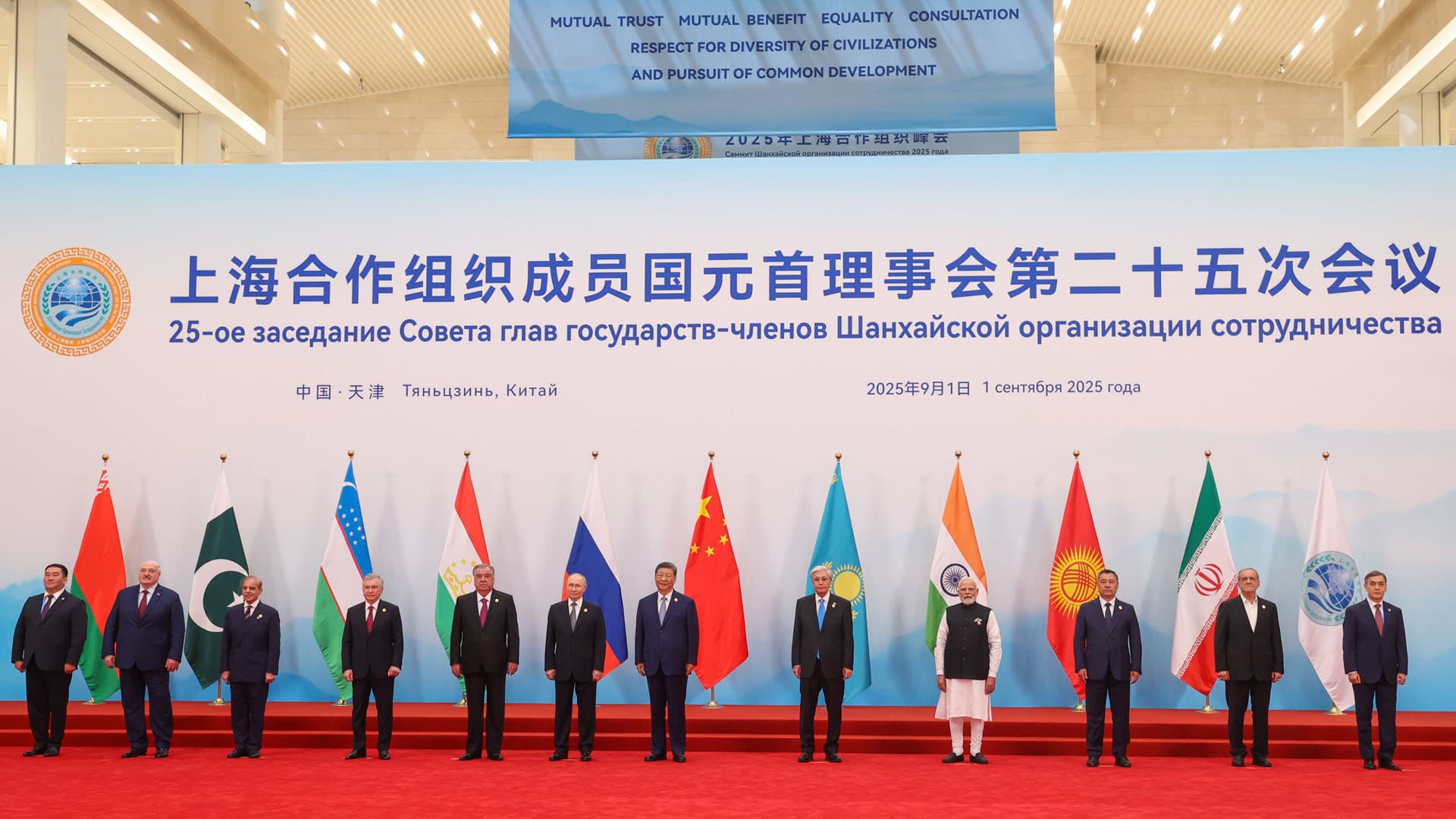
  • World War II (WWII) remains a pivotal yet overlooked part of India's strategic discussions, particularly its impact on current great-power dynamics in Asia.
  • Key wartime alliance: The U.S. and China proclaimed their victory together, highlighting the complexities of their cooperation against Japan.

Constitutional References:

  • The analysis of post-WWII dynamics raises questions about international laws and agreements that shaped global governance, indirectly referencing India's role and historical governance structures.

International Relations:

  • U.S.-China Relations:

    • U.S. President Donald Trump emphasized the cooperative wartime relationship with both Russia and China, which has implications for U.S. alliances in Europe and Asia.
    • China's Xi Jinping seeks to leverage the narrative of WWII victories to challenge the existing U.S.-Japan alliances and bolster China's geopolitical stance.
  • Japan's Position:

    • Japan, historically the adversary, now aligns closely with the U.S. and is increasing defense spending in response to China's growing military assertiveness.
    • Japan's defense policies are politically sensitive, given its historical context as opposed to China's narrative framing it as an "aggressor."

Economic Indicators:

  • Japan is ramping up defense expenditures amid concerns over military imbalances with China, signaling a strategic shift influenced by historical narratives.

Judicial and Policy Considerations:

  • U.S.-Japan alliance's core through the 1951 "San Francisco Peace Treaty," which placed Japan at the center of U.S. strategic considerations in Asia, faces challenges from China's reinterpretations of historical alliances.

International Agreements:

  • UN Charter's "enemy state" clauses, which still reference WWII-era powers, including Japan, Germany, and Italy, are debated concerning their relevance today, particularly in the context of Japan's militarization.

Geopolitical Dynamics:

  • China's effort to revise historical narratives is part of a broader strategy to shift the balance of power in Asia towards a "China-First" paradigm and dilute the U.S.-Japan partnership.
  • The evolving narrative within the Chinese Communist Party contrasts previous interpretations that portrayed China primarily as a victim during WWII, now highlighting its role as a victor and a founding member of the United Nations.

India's Role and Visibility:

  • Indian Foreign Minister Subrahmanyam Jaishankar acknowledged the significant contributions of India during WWII, emphasizing the overlooked sacrifices of 2.3 million Indian soldiers and the ineffectiveness of their recognition post-war.
  • India faced internal divisions regarding its response to WWII, complicating its collective memory and diplomatic stance in historical contexts.

Impact on Indian Foreign Policy:

  • Current Indian foreign discourse is criticized for being abstract and disconnected from historical contexts, particularly regarding the repercussions of WWII on modern geopolitics and India's role.

Conclusion:

  • The historical implications of WWII continue to resonate in today's political alignments and power structures in Asia. Understanding these dynamics is vital for comprehending contemporary international relations and India's positioning within them.

Key Terms & Concepts

World War IIHistorical context for alliances
US-China wartime partnershipHistorical diplomatic relations
Republic of China (RoC)US wartime ally in WWII
TaiwanCurrent political status and identity
San Francisco SystemUS alliance structure in Asia
1951 peace settlementDocument establishing Japan’s status
2.3 million IndiansIndian participation in WWII
14 million IndiansContributors to war production
Subhas Chandra BoseIndian independence leader
Russia-India-China meetingForeign policy discussions

Mind Map for UPSC Civil Services Revision

Turn UPSC Civil Services Current Affairs Into Exam-Ready Notes

Reading International Relations current affairs is half the work. Revise them with ready-made notes and test what actually stuck.

  • Daily UPSC Civil Services current affairs analysis
  • Revision notes, mind maps & MCQs
  • Prelims mock tests with instant results

Related UPSC Civil Services Current Affairs Articles

India's Participation in SCO Meeting
International Relations02-Oct-2026

India's Participation in SCO Meeting

Summary Notes: India-Pakistan Engagement Amid SCO Meeting

Context and Significance

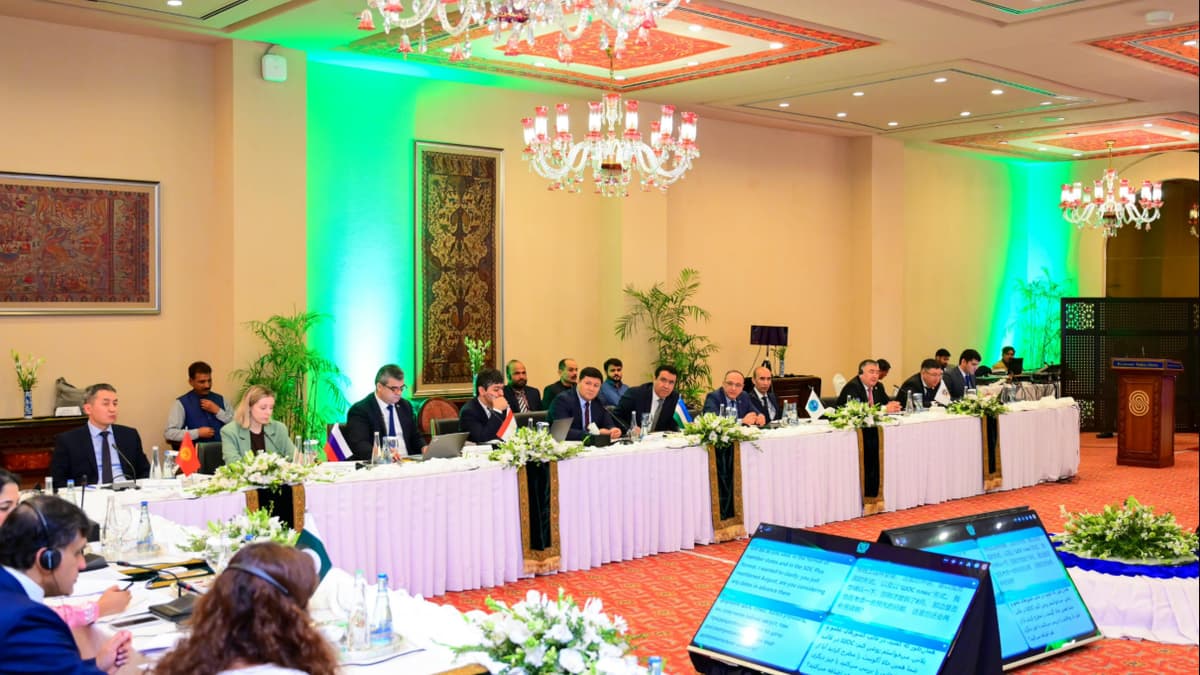
  • Shanghai Cooperation Organisation (SCO): India participated in the recent SCO national coordinators’ meeting in Islamabad, marking the first official visit since Operation Sindoor in 2025.
  • India's Representation: Alok Dimri, a senior official from the Ministry of External Affairs, attended the meeting. His previous roles include ambassador to Kyrgyzstan and responsibilities related to G20 and BRICS.

Key Points from the Visit

  1. Diplomatic Challenges:

    • India faces diplomatic tension with Pakistan and the support of the US to Pakistan amidst allegations of terrorism.
    • China, allied with Pakistan, provided military support during Operation Sindoor.
    • India aims for situational awareness regarding Pakistan's strategies within the SCO framework.
  2. Future Engagements:

    • Pakistan's potential invitation for PM Modi to the upcoming SCO leaders’ summit signifies a possible thaw in relations; Modi has not visited Pakistan since 2016.
    • Past Indian boycotts of events in Pakistan (e.g., the SAARC summit) complicate this future engagement.
  3. Geopolitical Considerations:

    • The global impacts of conflicts such as the Russia-Ukraine war and tensions with Iran are distracting international focus, affecting India's foreign policy dynamics.
    • Trump’s support for Pakistan’s military has also contributed to a complex security environment in South Asia.
  4. Response Strategy:

    • India will continue to respond robustly to any provocative statements by Pakistan regarding issues like Kashmir and terrorism, as endorsed at recent international forums.
  5. China's Strategic Impact:

    • The ongoing border standoff with China poses a significant challenge, more so than relations with Pakistan. Maintaining calm on both fronts is essential for India’s strategic stability.
    • Engaging in multilateral discussions at platforms like the SCO may aid in tension de-escalation.

Diplomatic Implications

  • India’s participation at the SCO highlights the necessity to remain involved in conversations that address regional security, even in strained bilateral ties with Pakistan.
  • An emphasis on being included in discussions is encapsulated in the strategy: "If you are not part of the table, you are on the menu.”

Constitutional and Policy References

  • Engagement at international forums like the SCO aligns with India's foreign policy principles outlined in the Directive Principles of State Policy (DPSP) and the Constitution’s emphasis on promoting international peace and security (Article 51).

International Relations

  • The SCO serves as a significant platform for multilateral engagement where India must navigate complex relations with both Pakistan and China, impacting regional geopolitics.

Conclusion

The recent SCO meeting articulated the intricate balance India must maintain amidst challenging diplomatic relations with Pakistan, while also addressing major threats posed by China, highlighting the need for careful strategic engagement and robust foreign policy.

India-EFTA Trade Agreement Success
Economic and Social Development01-Oct-2026

India-EFTA Trade Agreement Success

Trade and Economic Partnership Agreement (TEPA) - India and EFTA

Overview

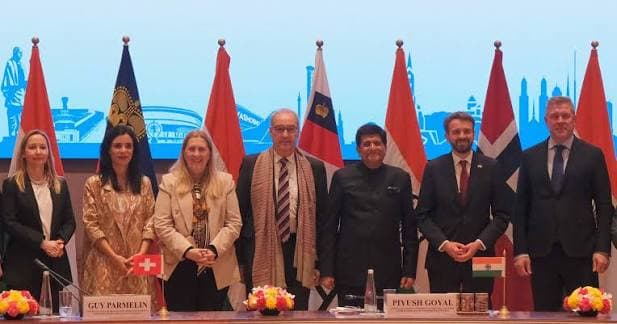
  • Effective Date: October 1, 2025.
  • Parties Involved: India and four European Free Trade Association (EFTA) states: Iceland, Liechtenstein, Norway, and Switzerland.
  • Purpose: Strengthen trade relations and foster investment.

Key Terms of Agreement

  • Tariff Concessions:
    • EFTA states: Concessions on 92.2% of tariff lines, covering 99.6% of India's exports.
    • India: Concessions on 82.7% of tariff lines, covering 95.3% of EFTA's exports.

Investment and Job Creation Targets

  • Investment Target: $100 billion from EFTA states in India over 15 years.
  • Job Creation Aim: Facilitate one million direct jobs.

Areas of Focus and Cooperation

  1. Geothermal Energy:

    • Direct Use: Experience from Iceland in using low- to medium-temperature geothermal energy, such as heating homes and agricultural processes, to be adapted in India.
    • Example Project: Geothermal facility in Kinnaur district, Himachal Pradesh, enabling farmers to dry fruit, improving storage and sales timing.
  2. Carbon Capture, Utilisation and Storage (CCUS):

    • Potential: NITI Aayog study (2022) estimates India could capture 750 million tonnes of CO2 annually by 2050.
    • Government Support: ₹20,000 crore allocated in Union Budget for CCUS technology development over five years.
    • International Collaboration: Projects with Iceland involve knowledge sharing and technology licensing for e-methanol production at JSW Steel in Maharashtra.
  3. Sustainable Fisheries Management:

    • Learning from Iceland: Expertise in maximizing use of fish resources (up to 90% utilization) to enhance value in Indian fisheries without increased catch.
    • Potential Collaboration: Icelandic companies exploring processing North Atlantic fish catches in India.

International Relations Framework

  • Arctic Engagement:
    • Iceland: Founding member of the Arctic Council.
    • India: Observer since 2013; published its Arctic Policy in 2022.
    • Collaboration focused on energy, trade, and shared stewardship of the Arctic region.

Conclusion

  • The TEPA serves as a forward-looking model of Europe-India trade partnerships, complementing ongoing discussions such as the EU-India Free Trade Agreement (FTA). It aims to enhance investment, technology transfer, and develop a mutual framework for sustainability and job creation.

Economic Data & Indicators

  • Investment Objectives: $100 billion investment, 1 million jobs.
  • Budget Allocation: ₹20,000 crore for CCUS development.

Constitutional and Policy References

  • Emphasis on economic development aligns with the Directive Principles of State Policy (DPSP) aimed at ensuring economic growth and job creation in the Constitution of India.

Environmental and Technological Implications

  • Focus on sustainable practices in energy and fisheries to align with global environmental goals.
  • Long-term technological collaborations expected to enhance capabilities in carbon management and energy security.
India-Pakistan Engagement at SCO Meeting
International Relations01-Oct-2026

India-Pakistan Engagement at SCO Meeting

Summary of India-Pakistan Relations and SCO Meeting

1. Context of Visit:

  • First visit by an Indian delegation to Pakistan since Operation Sindoor.
  • Focus on connectivity, regional trade, and transit issues within the framework of the Shanghai Cooperation Organisation (SCO).

2. Key Delegation:

  • The Indian delegation is led by Alok Dimri, a senior official from the Ministry of External Affairs. Dimri holds the rank of Additional Secretary and emphasizes the significance of the meeting following previous SCO summits in Bishkek (Kyrgyzstan) and Tianjin (China).

3. Responsibilities and Agendas:

  • Dimri highlighted India's proposal for a civilisational dialogue among SCO countries, scheduled for November 20 in New Delhi.
  • Reinforced the need for discussions on connectivity, prosperity, and trade among member nations.

4. Language and Communication:

  • English has been adopted as a third official language in the SCO meetings, alongside Russian and Chinese, to facilitate inclusive discussions among member countries.
UN Declaration on Rising Sea Levels
Environment and Ecology01-Oct-2026

UN Declaration on Rising Sea Levels

Summary Notes on Rising Sea Levels and UN Declaration

International Agreements and UN Declaration

  • UN General Assembly Declaration: Adopted on 24 September 2026, it is the first global formal recognition of the implications of rising sea levels on statehood and territorial integrity.
  • Key Provisions:
    • Recognizes that countries losing territory due to rising sea levels can retain sovereignty and rights.
    • Emphasizes the importance of incorporating sea-level rise projections into coastal infrastructure planning.
    • Calls for enhanced international cooperation to assist populations displaced by climate change.

Facts and Figures on Sea Level Rise

  • Acceleration of Sea Level Rise:
    • Rise increased from 2.1 mm/year (1993-2002) to 4.7 mm/year (2015-2024).
    • 2024 recorded a historic increase of 6 mm.
  • Future Projections:
    • Under low-emission scenarios, sea levels expected to rise by 38 cm by 2100.
    • In high-emission scenarios, the figure could reach 77 cm.
US Rejects Iran's Seven-Day Peace Proposal
International Relations01-Oct-2026

US Rejects Iran's Seven-Day Peace Proposal

Summary of US-Iran Relations and Proposed Peace Deal

Key Facts and Figures

  • Iranian Foreign Minister Abbas Araghchi proposed a seven-day peace deal during the UN General Assembly (UNGA) on September 24, aimed at ending hostilities and engaging in talks about Iran's nuclear program.
  • The proposal included:
    • US waiving sanctions on Iranian oil.
    • Release of approximately $12 billion of Iran’s frozen assets.
    • End to the US naval blockade.
    • Israel ceasing military operations in Lebanon.

Constitutional References and Agreements

  • The proposal's framework closely mirrors the June Memorandum of Understanding (MoU), where Iran and Oman would jointly control transit through the Strait of Hormuz, specified in Article 5.
  • The collapse of the June MoU was partially attributed to perceived US undermining of this article.

US Position

  • President Trump rejected the Iranian proposal, indicating potential military actions post-midterm elections.
  • Indirect negotiations were held, despite Trump's simultaneous threats to "annihilate" Iran.
World War II's Impact on Asia Today
International Relations30-Sep-2026

World War II's Impact on Asia Today

Summary Notes on the Impact of World War II on Contemporary Global Politics

Historical Context

  • World War II: Significant contributions from India with approximately 2.3 million Indians in armed forces and 14 million in war production.
  • India played a crucial role against Imperial Japan in Southeast Asia, yet its contributions are largely overlooked in historical discourse.

Key Political Dynamics

  • Recent meeting between US President Donald Trump and Chinese President Xi Jinping reaffirmed the US-China alliance during WWII, framing both as victorious allies.
  • Xi Jinping's narrative: China presents itself as a victor of the war, utilizing historical memory to challenge Japan and promoting a shift in power dynamics with the US.
  • Japan's positioning: As a former adversary, Japan is currently faced with rising tensions and military disparities due to China's assertive policies. Prime Minister Sanae Takaichi sought reassurance from Trump amid concerns over Japan’s defense and military strategy.

International Relations

  • US-Japan Alliance: Central to the post-war order established by the 1951 San Francisco Peace Treaty, still influential in Asian geopolitics.
  • Beijing’s reinterpretation of wartime history aims to undermine US-Japan relations and reshape regional narratives.

India's Positioning

  • India’s absence in the current discourse raises concerns. External Affairs Minister, Subrahmanyam Jaishankar highlighted India's sacrifices in foreign ministers' meetings, labeling the lack of recognition an historical injustice.
  • India’s historical response to WWII was divided, with opposition to British involvement (Congress), shifting support from Communists, and Subhas Chandra Bose’s search for aid from Axis powers for independence.

Constitutional Relevance

  • Importance of acknowledging the contributions of Indian soldiers to the war in terms of self-identity and positioning in global governance.
  • Post-war marginalization has deep roots in India's fragmented national movement responses to WWII, affecting India's contemporary foreign policy discussions.

Modern Implications

  • The historical neglect influences India’s current foreign policy discourse, leading to reliance on abstract concepts rather than historical context.
  • Importance of integrating a thoughtful understanding of WWII's legacy into India’s international relations strategy to enhance its role in global governance.

Conclusions

  • Reflecting on the historical narratives of WWII is essential not just for understanding current international dynamics but also for reshaping India's strategic posture and acknowledgment of its historical contributions to global peace and stability.

5. Pakistan's Chairmanship:

  • Pakistan's Deputy Prime Minister and Foreign Minister, Ishaq Dar, emphasized the country’s commitment to an open and inclusive SCO chairmanship, upholding the 'Shanghai Spirit' of mutual trust and benefit.
  • Pakistan's theme for its chairmanship is “Turning Vision into Action: Connectivity, Innovation, and Shared Prosperity”.

6. Historical Background:

  • The current presence marks New Delhi’s participation in a SCO meeting in Pakistan after nearly two years, indicating a thaw in diplomatic relations since the last notable interaction in October 2024.

7. SCO Membership:

  • The member states of SCO include Russia, India, Iran, Kazakhstan, Kyrgyzstan, Pakistan, Tajikistan, Uzbekistan, Belarus, and China. These nations combine to facilitate regional cooperation across various domains.

8. Implications of the Visit:

  • The engagement is significant for discussions surrounding Afghanistan and Central Asia, as Pakistan has previously restricted India's access to these regions.
  • Emphasizing regional connectivity may lead to improved bilateral relations and economic cooperation.

9. Event Importance:

  • The SCO’s focus on regional issues and its rotational presidency represents evolving dynamics in Eurasian geopolitics, signifying a collaborative effort among Asian civilizations.

This summary highlights the key facts, initiatives, and diplomatic objectives regarding India-Pakistan relations as expressed during the SCO meeting, relevant for examination on international relations, regional cooperation, and foreign policy engagement.

Legal Framework

  • Montevideo Convention (1933): Defines the criteria for statehood: permanent population, defined territory, governance, and capacity for international relations.
  • Territorial Integrity: Countries affected by rising sea levels will maintain their maritime boundaries, which include 12 nautical miles for territorial seas and up to 370 km for exclusive economic zones.

Human Rights and Migration Policies

  • Countries are urged to respect human rights for displaced persons and facilitate "mobility with dignity".
  • As of December 2025, over a third of Tuvalu’s population applied for climate visas to Australia under a bilateral agreement.

India's Context

  • Geographical Data:
    • India has 1,298 coastal islands and a coastline of 11,098 km.
    • Concerns over erosion: One-third of the mainland coastline assessed between 1990-2016 found significant erosion, with regions losing 5 meters a year.
  • Coastal Regulation:
    • 2019 Coastal Regulation Zone notification: 50 meters no-build zone in populated areas, 200 meters in others.
    • The necessity for India to adapt these guidelines using updated hazard lines for disaster management.

Economic Indicators

  • Adaptation Funding: UN Environment Programme estimates over $310 billion per year needed for developing countries’ adaptation by 2035, contrasting sharply with only $26 billion in 2023.
  • Previous objections by India regarding inadequate climate finance targets highlight the ongoing financial gap for effective adaptation strategies.

Future Actions Recommended for India

  • Implementation of laws addressing gradual land loss and displacement, akin to Fiji’s planned relocation strategy.
  • Immediate action required to measure no-build zones from hazard lines and enforce regulations based on local erosion rates.
  • Commitment to advocating for increased climate financing in upcoming global forums, including COP31 in Antalya.

Timeline for Action

  • Next high-level UN meeting on sea level rise scheduled for September 2030, presenting a four-year window for implementing necessary policies and reforms.

In conclusion, the UN declaration aims to safeguard statehood against the backdrop of climate change, pressing nations to enhance their infrastructure resilience and establish humanitarian policies for displaced communities. India, as a key player with extensive coastlines, faces critical challenges and responsibilities in this endeavor.

  • The US Navy claims to have assisted over 2,000 tankers transporting approximately one billion barrels of crude oil since May, averaging seven million barrels per day, significantly lower than pre-war levels of 20-21 million barrels per day.
  • Economic Indicators

    • International Energy Agency estimates indicate costs exceeding $50 billion for repairing over 80 damaged energy facilities in West Asia.
    • The International Monetary Fund predicts a cumulative output loss over five years, contingent on no further conflict.
    • A $10 billion fund was proposed by the US to Gulf Arab states for rebuilding energy infrastructure.

    International Relations and Strategic Dynamics

    • Regional leaders expressed frustration with Trump's management of diplomacy, particularly amid ongoing conflicts impacting oil transport through key straits.
    • Iran's strategic position highlights the Strait of Hormuz's irreplaceability for oil transport, complicating the effectiveness of the US blockade and sanctions.

    Science and Technology Implications

    • Continued conflicts have implications for energy technologies and infrastructure repair needs in West Asia.
    • Drone attacks and other warfare tactics cited, emphasizing the ongoing technological military adaptations by various factions.

    Historical Context

    • The tensions derive from long-term geopolitical conflicts, with Iran striving to reinforce its negotiating power against repeated US repudiation of agreements, including the 2015 nuclear pact and previous MoUs.
    • Iran's ability to withstand economic pressure is linked to a unified public discourse supported by nationalistic sentiments during conflict times.

    Broader Implications

    • The dynamics between Iran and the US, set against the backdrop of international energy markets and geopolitical alliances, indicate an increasingly complex and volatile environment.
    • Both nations' actions in relation to military threats and diplomatic negotiations will heavily influence regional stability and future bargaining conditions.

    This overview highlights the intricate layers of the ongoing US-Iran dialogue, encapsulating economic, strategic, and diplomatic dimensions critical for understanding international relations in this context.