iAspirants
Challenges and Innovations in Biologics
Published on:
Share this post
Article Summary
Summary of Key Points on Biologics and Regulatory Framework in India
1. Clinical Trials and Historical Context:
- Northwick Park Tragedy (2006): Six participants suffered multiple organ failure during a phase I trial of theralizumab, showcasing risks in human drug testing that animal models may not predict.
2. Biologics and Biopharma SHAKTI Strategy:
- Biologics: Large, complex molecules like monoclonal antibodies (mAbs), vaccines, and insulin for chronic diseases.
- 2026 Union Budget: Launch of Biopharma SHAKTI, aimed at enhancing domestic biologics production in India, including biosimilars.
3. Advancements in Testing Methodologies:
- Non-Animal Methodologies (NAMs): Include organoids, organ-on-a-chip, and 3D bioprinting, utilized to better mimic human biology:
- The UK's roadmap to phase out animal testing.
- New Drugs and Clinical Trials (Amendment) Rules 2023: India encouraging NAM adoption for drug development.
- Example Study (2024): A breast cancer-on-chip model was developed to test CAR T-cell therapy, indicating potential for reduced animal use.
4. Economic Impact and Efficiency of NAMs:
- Analysis indicates that organ-on-chip technologies could reduce drug development costs by 10-26% and expedite lead optimisation by 19%.
5. Challenges in Implementation:
- NAM applications in the industry are limited by a lack of standardisation, funding, and regulatory clarity:
- Support Needed: Clear contexts, robust documentation, and reproducible protocols for industry readiness.
- Biopharma SHAKTI allocation of ₹10,000 crore aimed at bolstering these capabilities.
6. Regulatory and Market Dynamics:
- Biosimilars: Generic biologics face financial risks due to patent evergreening, which extends market exclusivity and delays cheaper alternatives.
- Central Drugs Standard Control Organisation (CDSCO) is responsible for biosimilar approvals, but existing guidelines are in draft status leading to slow implementation.
- Acceleration in regulatory acceptance of NAMs could enhance biosimilars and biologics manufacturing efficiency.
7. Industry Challenges:
- Recommendations from industry experts suggest:
- Entrepreneurial Culture: Need for greater investment and improved understanding of biologics risks by investors to foster innovation and market entry.
- Policy Support: Aligning NAM regulatory frameworks with practical industry needs for faster and cost-effective biologics and biosimilars development.
Conclusion
The transition towards reducing animal testing through NAMs combined with strong government backing through initiatives like Biopharma SHAKTI is crucial for enhancing India’s capabilities in biologics production and affordable healthcare solutions. Effective regulatory frameworks and industry collaboration are essential to fully realize this potential.
Key Terms & Concepts
| theralizumab | monoclonal antibody for arthritis |
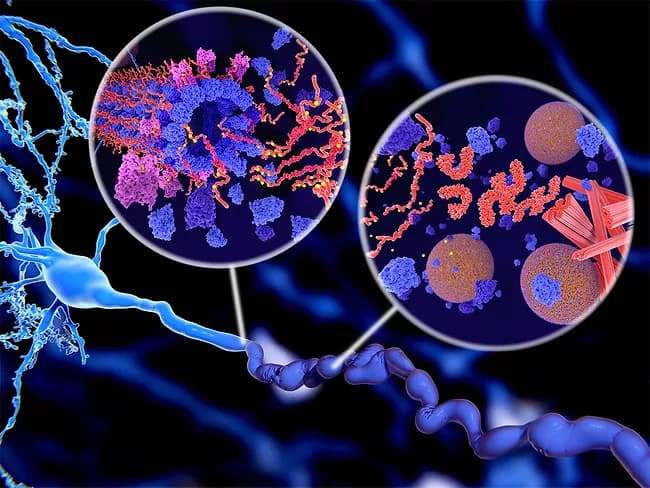
| semorinemab | failed Alzheimer's treatment |
| Biopharma SHAKTI | funding strategy for biologics |
| New Drugs and Clinical Trials (Amendment) Rules 2023 | promotes non-animal methodologies |
| NAMs (Non-Animal Methodologies) | alternative research models |
| breast cancer-on-chip model | studying CAR T-cell therapy |
| Drug Discovery Today | source of cost analysis |
| ₹10,000 crore | funding for Biopharma SHAKTI |
| trastuzumab | cancer drug with patent issues |
| CDSCO | India's regulatory body |