iAspirants
Challenges in India's Electoral Roll Process
Published on:
Source: The Hindu
Share this post

Article Summary
Election Commission of India (ECI) & Special Intensive Revision (SIR)
Context and Background
- The ECI was founded to enhance electoral inclusion in India, with the first general election occurring in 1951-52, targeting an electorate of 17 crore individuals, many of whom were illiterate.
- Universal adult franchise is both a constitutional principle and a practical goal for the ECI.
Special Intensive Revision (SIR)
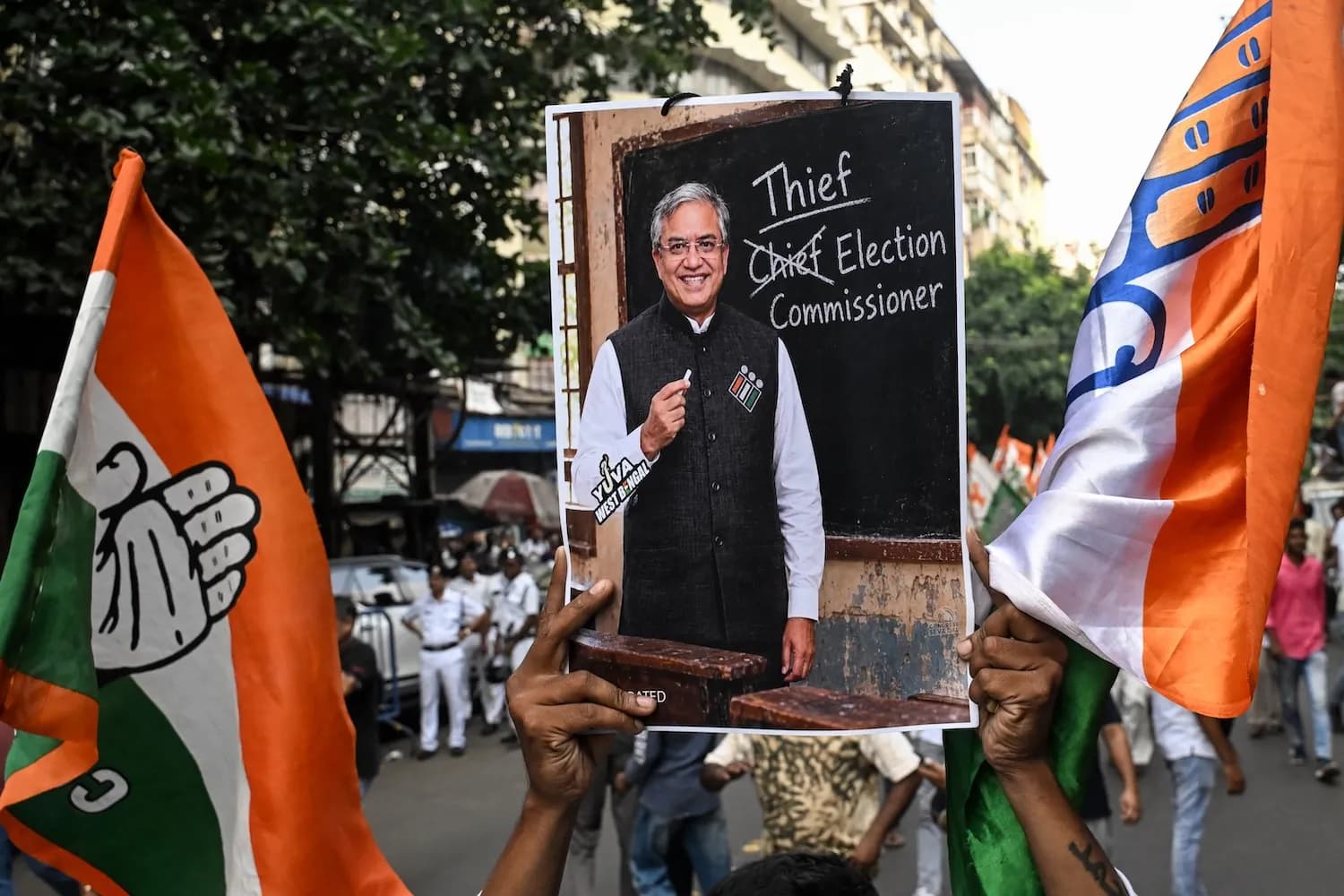
- Initiated by Chief Election Commissioner Gyanesh Kumar as a measure to "purify" electoral rolls.
- Major repercussions:
- 13.37 crore names deleted across 30 States and Union Territories during three phases of SIR.
- Deletion rates peaked at 17% in Phase 3, with specific figures including 65 lakh deletions in Bihar, 6.57 crore across 12 states in Phase 2, and 6.15 crore in Phase 3.
Methodological Concerns
- The SIR deviated from the ECI’s own Manual on Electoral Rolls (2023), which typically emphasizes an inclusive enumeration process.
- The SIR required electors to prove their eligibility, resembling a citizenship test, potentially disenfranchising many voters, including illiterate individuals.
Statutory and Judicial Framework
- ECI’s Manual states a presumption of validity for names on the electoral rolls unless notified otherwise.
- The Supreme Court of India upheld the SIR, raising concerns regarding the interpretation of Section 21(3), which typically applies to specific constituencies rather than state-wide exercises.
Voter Deletion Statistics
- In Delhi, the draft roll had 97.54 lakh electors, slightly exceeding the turnout of 94.95 lakh in the February 2025 Assembly elections. Discrepancies noted where many constituencies had fewer electors than participants in previous elections.
- Significant gender ratio decline observed in Bihar, falling from 907 to 892 electors per 1,000 males, with considerable deletions of females aged 18-29.
Discriminatory Effects
- Reports indicated a disproportionate loss of electoral rights among specific demographics, with around 65% of deletions in West Bengal impacting Muslims, who constitute approximately 27% of the state’s population.
Judicial Challenges and Observations
- Following the Supreme Court’s permissiveness regarding the SIR, the ECI proceeded with further deletions, leading to calls for judicial reviews of the earlier rulings.
- Legal scholars have raised critical issues with the process, emphasizing that a notable portion of the deleted voters were not granted necessary hearings or opportunities to contest their disenfranchisement.
Recommendations and Next Steps
- There are calls for the ECI to pause the SIR and revert to door-to-door enumeration practices.
- Immediate audits of the electoral rolls finalized thus far are recommended to align with principles of electoral fairness and representation.
- Proposals exist to use pre-SIR rolls, updated with new enrolments for states approaching elections.
Conclusion
The ECI’s recent actions have raised significant questions regarding voter rights and the integrity of the electoral process, suggesting a need for reform and closer adherence to principles of fair representation mandated within the Constitution.
Key Terms & Concepts
| Election Commission of India (ECI) | Oversees electoral processes |
| Special Intensive Revision (SIR) | Revision of electoral rolls |
| 1951-52 General Election | First national election in India |
| 13.37 crore voters | Struck off names during SIR |
| 65 lakh (Bihar) | Voter deletions in Bihar |
| 32.8% (Delhi) | Deletion rate in Delhi |
| Form 6 | Application for new voters |
| Supreme Court of India | Judicial oversight |
| Section 21(3) | Provision for special revision |
| Census 2027 | Delayed population baseline |
| 5.67 crore (Tamil Nadu) | Population shortfall in rolls |
| Kolkata-based SABAR Institute | Analyzed electoral changes |