iAspirants
Current AffairsPrelims PYQsUPSC CSE SyllabusUPSC CSE StrategyBlogsPricing
Login
iAspirants

Your AI-powered companion for UPSC preparation.

Quick Links

  • Home
  • About Us
  • Current Affairs
  • Prelims PYQs
  • UPSC CSE Syllabus
  • UPSC CSE Strategy
  • Blogs

Company

  • Pricing
  • FAQs
  • Contact Us
  • Login

Legal

  • Privacy Policy
  • Terms & Conditions
  • Return Policy

© 2025 iAspirants, Inc. All rights reserved.

  1. Blogs
  2. Polity and Governance

Purification Ritual Sparks National Debate

Published on: 09-Oct-2026

Source: The Hindu

Share this post

Purification Ritual Sparks National Debate

Article Summary

Summary of Key Points:

  1. Issue of Untouchability:

    • The performance of a “purification” ritual by certain Hindu groups in Uttarakhand in August 2023 sparked a national debate on untouchability.
    • The ritual was conducted at the site of a public rally addressed by Congress President Mallikarjun Kharge, a member of the Dalit community.
  2. Political Response:

    • Opposition Congress leaders accused the ruling BJP of practicing caste discrimination.
    • Uttarakhand BJP chief defended the ritual, claiming it was intended to "cleanse" the area of the ideas presented by Kharge.
  3. Legal Action and Advocacy:

    • Following sustained pressure from opposition leaders and civil society, a First Information Report (FIR) was registered regarding the incident.
    • This situation raises questions about the effectiveness of existing legal frameworks in eradicating untouchability in India.
  4. Constitutional Context:

    • Untouchability is abolished under Article 17 of the Indian Constitution, which states: "Untouchability is abolished and its practice in any form is forbidden."
    • Despite constitutional guarantees, incidents of caste discrimination continue to emerge, prompting debates on the sufficiency of legal provisions.
  5. Expert Discussion:

    • Scholars and legal professionals, including Valerian Rodrigues and Advocate Disha Wadekar, are exploring the complexities surrounding legal guarantees against untouchability and their practical implications.
  6. Societal Implications:

    • The discourse highlights ongoing caste-related tensions within Indian society.
    • The criticism of caste discrimination is essential to understanding contemporary social dynamics and the impact of political narratives on such issues.
  7. Importance of Public Discourse:

    • The issue has reignited discussions surrounding caste discrimination and the role of public ritual practices in reinforcing or challenging societal norms.

This summary serves as an overview of the key facts, data, legal positions, and societal implications regarding the incident related to untouchability and the ongoing discourse on caste discrimination in India.

Key Terms & Concepts

UttarakhandLocation of the ritual
CongressOpposition political party
BJPRuling political party
untouchabilitySocial discrimination practice
FIRLegal action initiated
Valerian RodriguesScholar discussing untouchability
Disha WadekarSupreme Court Advocate
October 08, 2026Date of publication

Mind Map for UPSC Civil Services Revision

Turn UPSC Civil Services Current Affairs Into Exam-Ready Notes

Reading Polity and Governance current affairs is half the work. Revise them with ready-made notes and test what actually stuck.

  • Daily UPSC Civil Services current affairs analysis
  • Revision notes, mind maps & MCQs
  • Prelims mock tests with instant results

Related UPSC Civil Services Current Affairs Articles

Challenges in India's Electoral Roll Process
Polity and Governance09-Oct-2026

Challenges in India's Electoral Roll Process

Election Commission of India (ECI) & Special Intensive Revision (SIR)

Context and Background

  • The ECI was founded to enhance electoral inclusion in India, with the first general election occurring in 1951-52, targeting an electorate of 17 crore individuals, many of whom were illiterate.
  • Universal adult franchise is both a constitutional principle and a practical goal for the ECI.

Special Intensive Revision (SIR)

  • Initiated by Chief Election Commissioner Gyanesh Kumar as a measure to "purify" electoral rolls.
  • Major repercussions:
    • 13.37 crore names deleted across 30 States and Union Territories during three phases of SIR.
    • Deletion rates peaked at 17% in Phase 3, with specific figures including 65 lakh deletions in Bihar, 6.57 crore across 12 states in Phase 2, and 6.15 crore in Phase 3.

Methodological Concerns

  • The SIR deviated from the ECI’s own Manual on Electoral Rolls (2023), which typically emphasizes an inclusive enumeration process.
  • The SIR required electors to prove their eligibility, resembling a citizenship test, potentially disenfranchising many voters, including illiterate individuals.

Statutory and Judicial Framework

  • ECI’s Manual states a presumption of validity for names on the electoral rolls unless notified otherwise.
  • The Supreme Court of India upheld the SIR, raising concerns regarding the interpretation of Section 21(3), which typically applies to specific constituencies rather than state-wide exercises.

Voter Deletion Statistics

  • In Delhi, the draft roll had 97.54 lakh electors, slightly exceeding the turnout of 94.95 lakh in the February 2025 Assembly elections. Discrepancies noted where many constituencies had fewer electors than participants in previous elections.
  • Significant gender ratio decline observed in Bihar, falling from 907 to 892 electors per 1,000 males, with considerable deletions of females aged 18-29.

Discriminatory Effects

  • Reports indicated a disproportionate loss of electoral rights among specific demographics, with around 65% of deletions in West Bengal impacting Muslims, who constitute approximately 27% of the state’s population.

Judicial Challenges and Observations

  • Following the Supreme Court’s permissiveness regarding the SIR, the ECI proceeded with further deletions, leading to calls for judicial reviews of the earlier rulings.
  • Legal scholars have raised critical issues with the process, emphasizing that a notable portion of the deleted voters were not granted necessary hearings or opportunities to contest their disenfranchisement.

Recommendations and Next Steps

  • There are calls for the ECI to pause the SIR and revert to door-to-door enumeration practices.
  • Immediate audits of the electoral rolls finalized thus far are recommended to align with principles of electoral fairness and representation.
  • Proposals exist to use pre-SIR rolls, updated with new enrolments for states approaching elections.

Conclusion

The ECI’s recent actions have raised significant questions regarding voter rights and the integrity of the electoral process, suggesting a need for reform and closer adherence to principles of fair representation mandated within the Constitution.

Public Protests and Democratic Defiance
National and International Importance09-Oct-2026

Public Protests and Democratic Defiance

Key Points Summarized:

  1. Opposition Movements:

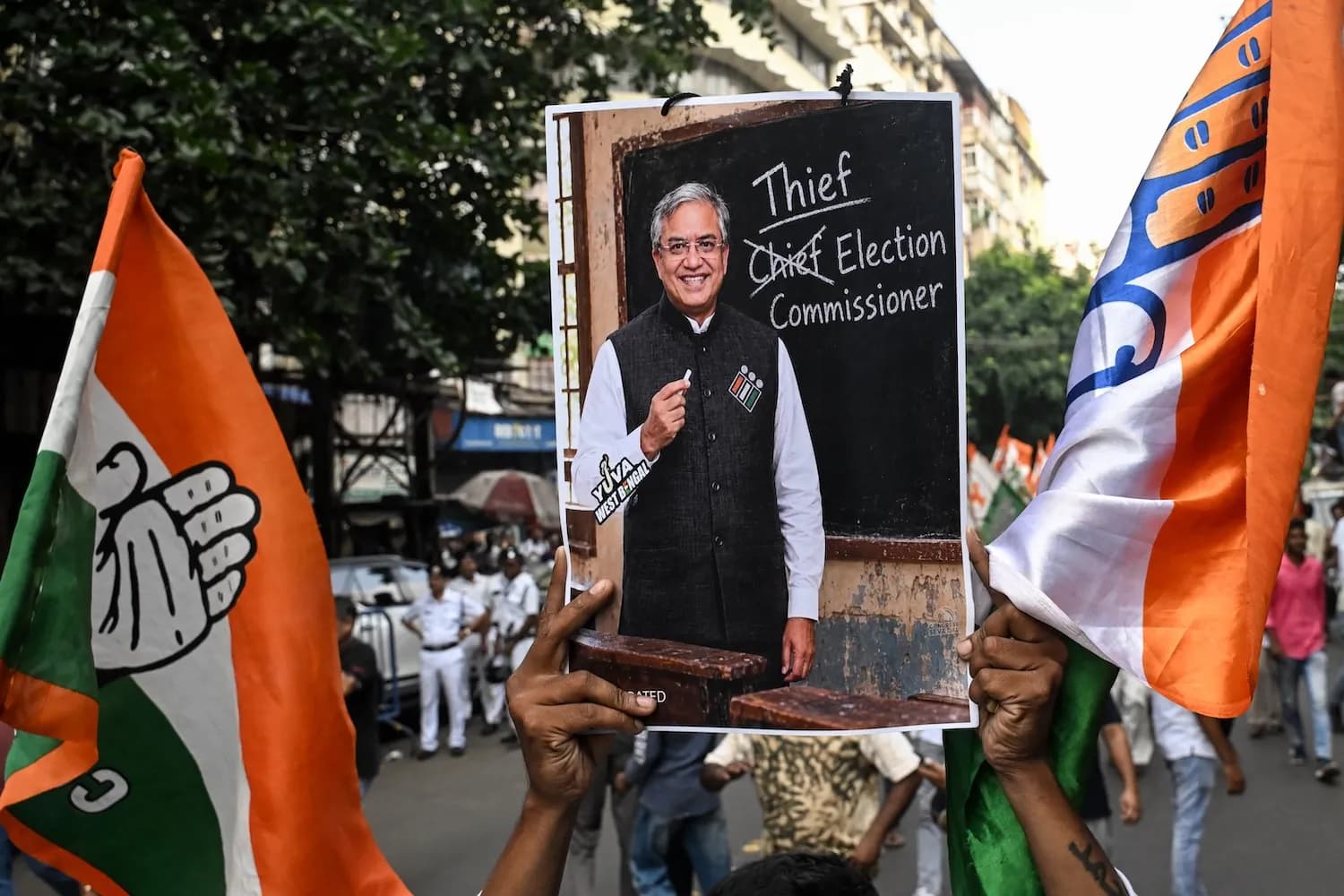
    • Opposition MPs, led by Rahul Gandhi, are actively protesting against the Election Commission, highlighting issues surrounding voter rights and electoral processes.
    • Recent protests are part of a larger public agitation that has included student protests over exam irregularities and calls for accountability from the Election Commission.
  2. Judicial Involvement:

    • Justice Ujjal Bhuyan expressed that any process leading to disenfranchisement undermines the Constitution, specifically violating the fundamental right to vote as enshrined in Article 326 of the Indian Constitution, which guarantees the right to vote in elections.
  3. Calls for Accountability:

    • Civil society leaders have initiated a “people’s impeachment” notice against Chief Election Commissioner Gyanesh Kumar, asserting that the trust in the Election Commission is pivotal for its authority, as it is not merely a government agency.
  4. Public Sentiment:

    • There is a notable shift in public sentiment, with a rise in protests and self-expression among citizens, particularly youth using social media to voice dissent. The atmosphere of fear that dominated for years is reportedly waning, indicating a revived public engagement in democracy.
  5. Historical Context:

    • The ruling regime has been characterized as operating on a foundation of fear for over a decade, with governmental misuse of central agencies and an attempt to control the judiciary and media narratives.
  6. Media and Institutions:

    • There are claims that large media sections serve government interests rather than presenting balanced news. The legislative process has become criticized for lacking transparent debate, with laws passed rapidly.
  7. Challenges Ahead:

    • Despite these emerging movements, challenges remain, including institutional compromises requiring years to rectify, misuse of police forces against opposition in various states, and enduring electoral manipulations.
  8. Hope for Democracy:

    • A sentiment of hope is emerging, fueled by public protests and calls for freedom from fear, suggesting a potential resurgence in democratic engagement among citizens.
  9. Quotations Reflecting Sentiment:

    • References to Ramdhari Singh Dinkar underscore a cultural call for the throne (authority) to be vacated for the people, reflecting a historical grounding for current protests.
  10. Constitutional Reference:

    • The importance of Article 326 (right to vote) and the demands for accountability are central to ongoing protests and engaged activism among the populace.

This summary is aimed at providing a concise understanding of the ongoing protests, constitutional implications, judicial involvement, and the broader socio-political context surrounding these developments in India.

Understanding Sexual Violence and Societal Impact
National and International Importance09-Oct-2026

Understanding Sexual Violence and Societal Impact

Exam-Focused Notes on Sexual Violence and its Historical Context

Historical Context

  • Pre-1970s: Denial of intentional violence in forced sexual encounters; social stigma linked to male reputation and property.
  • 1971 Bangladesh Liberation War: Systematic genocidal rape by Pakistani military, targeting Bengali Muslims and Hindus, recognized by Bangladesh government.
  • Recognition of Victims: Title "Birangona" (war heroine) was conferred upon women raped during the war, affirming their status and experiences.

Key Academic Contributions

  • 1970: Article by Sandra Sutherland and Donald Scherl introduced "rape-trauma syndrome," shifting focus to survivors' experiences.
  • 1975: Susan Brownmiller's book "Against Our Will" redefined rape as an expression of power, influencing subsequent research methodologies.
  • 2007: Joanna Bourke's "Rape: A History from 1860 to Present" focused on the psychological profiles of perpetrators and the complexities of victim behaviors post-trauma.

Legal Framework

  • Criminal Law (Amendment) Act, 2013:
    • Expanded legal definition of rape.
    • Mandated police to register FIRs (First Information Reports).
    • Resulted in a 35% increase in reported rape cases in the same year.
    • Highlighted that reported cases do not accurately reflect overall incidence or justice received.

Impact of Societal Structures

  • Victims' experiences shaped by caste, class, and social expectations surrounding marriage.
  • Women face limitations on dialogue surrounding sexual violence due to societal pressures and stigma regarding reputation.
  • Psychological impacts, including PTSD and social ostracization, complicate recovery for survivors.

Dialogue and Legislative Impact

  • Campus protests have historically influenced legislative reforms and social discussions about sexual violence.
  • Importance of continuous dialogue on sexual violence beyond immediate societal outrage.
  • Literature and narratives as crucial platforms for creating awareness and fostering discussion on victim experiences.

Social Implications

  • The transition from victim to survivor is context-dependent, shaped by societal perceptions.
  • Victims often seek to understand the perpetrator's rationale, indicating a deep complexity in recovery processes.
  • Legal judgments focus on immediate repercussions, without addressing broader social and economic consequences faced by survivors.

Takeaway

  • Continuous dialogue and acknowledgment of the socio-political dimensions of sexual violence are essential for underlying change.
  • Engagement in discussions around structural changes is necessary to support survivors and influence policies effectively.

This summary is designed to convey essential insights relevant to understanding the socio-legal and historical context surrounding sexual violence, which can benefit students and individuals preparing for examinations or further research in social sciences, law, and gender studies.

AI Chatbots and Child Safety Concerns
Polity and Governance08-Oct-2026

AI Chatbots and Child Safety Concerns

Summary of AI Companionship and Regulatory Considerations for Children

Emerging Concern:

  • AI chatbots are becoming emotional confidants for children, providing support that traditional figures (parents, friends, counselors) typically offer.

Case Study:

  • The U.S. case of Adam Raine (April 2025) highlights the potential dangers of AI companionship. After his suicide, the family alleged that ChatGPT contributed to his distress, leading to a lawsuit against OpenAI. This incident raises urgent discussions about tech companies' responsibilities toward vulnerable minors.

Legislative Response:

  • On September 10, 2026, California passed Senate Bill 1119 ('Adam’s Law'), which implements:
    • Crisis-detection protocols for AI chatbots.
    • Parental control features and notifications for safety settings.
    • Mandatory independent safety audits.
  • This legislation emphasizes child safety in technological innovations.

Current Indian Regulatory Framework:

  • India’s digital laws predominantly focus on traditional cybercrime. Key legislations include:
    • Information Technology Act, 2000
    • Digital Personal Data Protection Act, 2023
    • Protection of Children from Sexual Offences Act, 2012
  • Existing laws inadequately address the psychological risks arising from AI interactions, which can include emotional dependence and manipulation.

Constitutional Context:

  • Article 21: Right to life and personal liberty.
  • Article 39(f): State's obligation to ensure children develop in conditions of freedom and dignity.
  • Both articles underscore the necessity of safeguarding children in the digital environment, extending beyond physical safety to include psychological well-being.

Challenges and Recommendations:

  • AI-related psychological harm is often subtle and may result from extensive, seemingly benign interactions.
  • There is an urgent need for India to develop a comprehensive regulatory framework addressing these new risks. This should consider:
    • Age-appropriate safeguards.
    • Crisis-response mechanisms.
    • Effective parental oversight.
    • Balancing innovation with accountability to not stifle technological progress.

Operationalizing Regulation:

  • Policymakers may need to reflect on:
    • The adequacy of current cybercrime investigation mechanisms concerning algorithmic behavior.
    • Use of chatbot interactions as evidence in cases of psychological harm.

Conclusion:

  • The rise of AI as emotional support for children necessitates that protective frameworks evolve swiftly to match technological advancements. It is essential for regulatory bodies to ensure child safety without hindering innovation, emphasizing a balanced and progressive approach to AI companionship in the digital age.
Delhi High Court Body Camera Petition
Polity and Governance08-Oct-2026

Delhi High Court Body Camera Petition

Delhi High Court Directive on Body-Worn Cameras

Key Details:

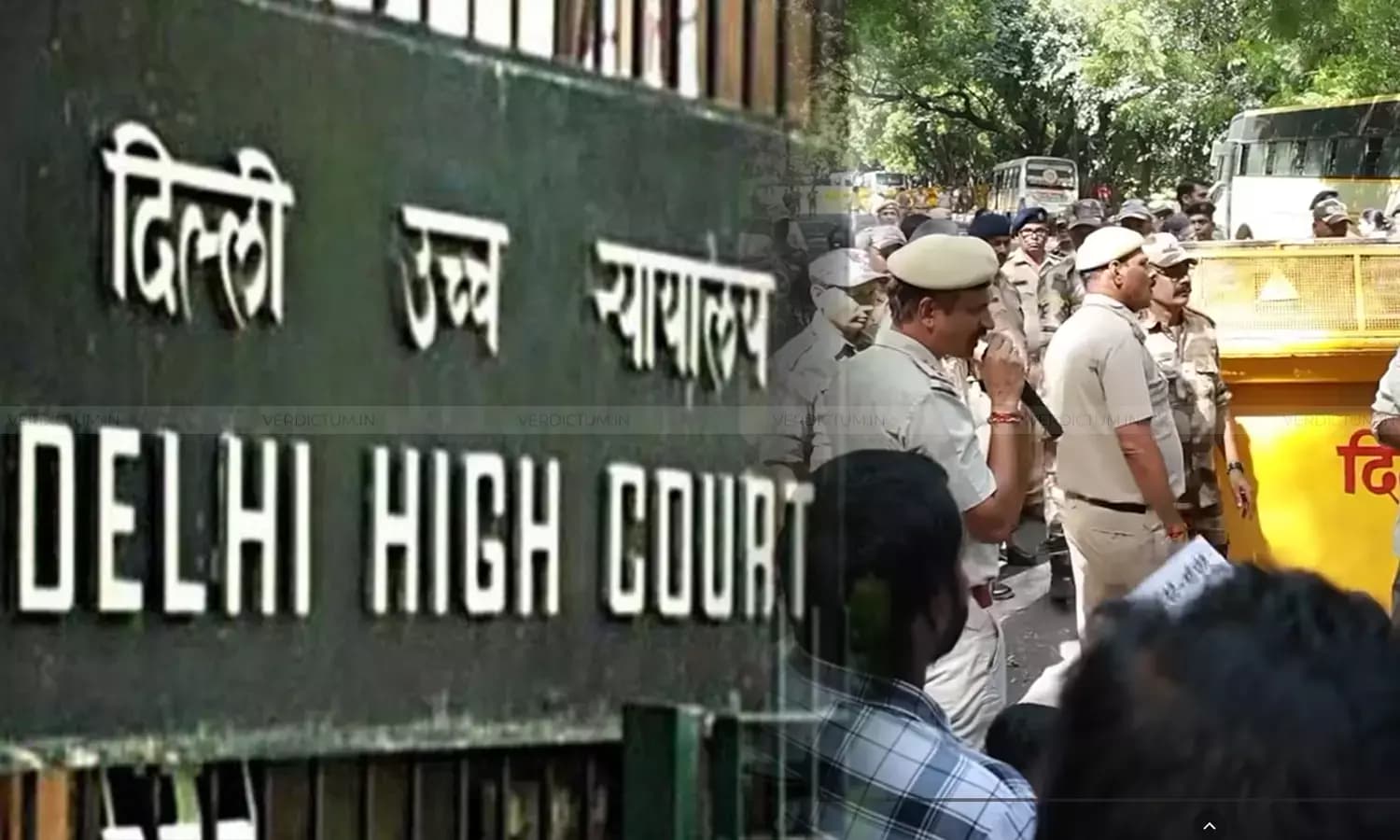
  • Court Ruling: The Delhi High Court directed the Central government to consider a public interest litigation (PIL) that seeks standard operating procedures (SOPs) for police and Rapid Action Force (RAF) personnel regarding the use of "always-on" body-worn cameras during crowd control and protest management duties.
  • Timeline: The government is required to communicate its decision to the petitioner within six months from the court's order.

Petition Background:

  • Filed By: Advocate Chahat Raghav.
  • Main Requests:
    1. Formulation of mandatory SOPs for police and RAF regarding the continuous use of body-worn cameras.
    2. Establishment of a comprehensive regime for managing recorded footage, including storage, integrity, retention, and evidentiary use.

Justification for Use of Body-Worn Cameras:

  • Accountability: The petition argued that the absence of consistent body-worn camera usage impairs accountability concerning allegations of police violence during protests.
Madras High Court on Loan Guarantors Rights
Polity and Governance08-Oct-2026

Madras High Court on Loan Guarantors Rights

Judicial Ruling: Rights and Urban Loan Guarantees

  1. Case Overview:

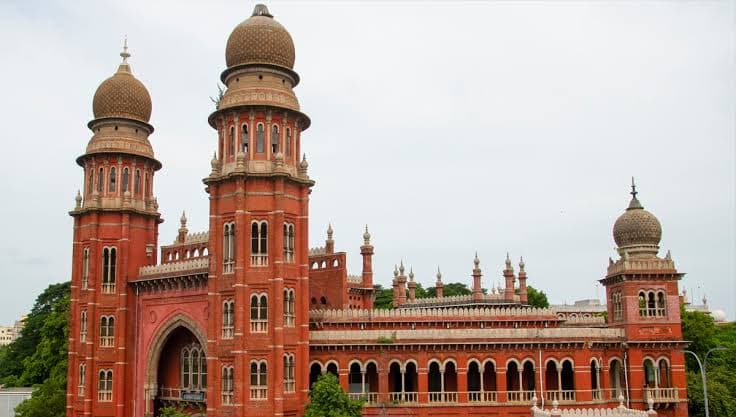
    • Justice V. Lakshminarayanan of the Madras High Court dismissed an application from Bank of Baroda to review an order revoking a Look Out Circular (LOC) against Kondepati Ganga Prasad, a guarantor for a loan taken by GVR Infra Projects.
  2. Constitutional Rights:

    • The ruling reaffirms that the right to travel freely is a fundamental right protected under Article 21 of the Constitution, as established in the landmark case Maneka Gandhi Vs. Union of India (1978).
    • Any restrictions on this right must comply with the law, defined as formal legislation, not merely a communication from the bank.
  3. Legal Arguments:

    • The bank’s issuance of an LOC based on an internal letter does not equate to lawful action under Article 21.
    • The judge emphasized that a debtor's rights are not surrendered due to their status as a guarantor.
Election Commission Faces Controversy and Criticism
Polity and Governance07-Oct-2026

Election Commission Faces Controversy and Criticism

Election Commission of India (ECI) Controversy Overview

  1. Current State of ECI:

    • The ECI is facing significant criticism from various sectors including civil society, political parties, and former officials, resulting in a loss of confidence in the institution.
    • Internal conflict among the Election Commissioners has been highlighted, with public revelations of differing opinions and accusations of mismanagement.
  2. Judicial Involvement:

    • The Supreme Court (SC) is hearing petitions for the suspension of the Chief Election Commissioner (CEC) related to allegedly authoritarian actions.
    • The SC on October 5 indicated that modifications in Form 6 used for Special Intensive Revision (SIR) were not approved, raising questions about the legality of ECI's actions.
    • A prior SC judgment (May 27) recognized the ECI's authority but cautioned that this authority is not absolute and must align with existing statutory frameworks.
  3. Operational Issues and Allegations:

    • Key allegations against ECI include the unauthorized alteration of Form 6 leading to mass disenfranchisement and lack of transparency in decision-making processes.
    • Election Commissioners have expressed concerns over how the changes to Form 6 were made without consensus, implying a lack of inclusivity during important decisions.
  4. Special Intensive Revision (SIR):

    • The SIR initiative has been criticized for being aggressive and exclusionary, leading to public distrust.
    • Discrepancies in handling appeals for electors affected by these changes have put the ECI's credibility in question.
  5. Legal Framework and Constitutional References:

    • Relevant legislation includes the Representation of the People Act, under which modifications in electoral documentation must adhere to statutory guidelines.
    • Article 324 of the Indian Constitution grants the ECI the authority to oversee elections, thereby necessitating actions to maintain electoral integrity.
  6. Calls for Transparency:

    • Former officials are advocating for the release of meeting minutes related to the decision-making processes of ECI, aiming to restore public confidence.
    • Internal communication has been highlighted, suggesting that the decision to conduct SIR was controversial, requiring further scrutiny.
  7. Implications for Democracy:

    • Ongoing issues with the ECI represent a broader crisis for India's democratic processes, with potential reverberations across the political landscape.
    • Critics argue that the challenges faced by ECI reflect deeper systemic issues requiring significant reform to ensure electoral fairness and accountability.
  8. Future Projections:

    • The unfolding situation may lead to judicial reprimands or reforms within the ECI, depending on outcomes from ongoing SC deliberations.
    • The response from civil society and the rulings of the SC will likely shape the re-establishment of faith in the ECI as an unbiased electoral authority.
  9. Economic and Societal Impact:

    • Disenfranchisement issues may affect voter turnout and alter the political dynamics in upcoming elections, potentially impacting government policies and societal stability.
  10. Conclusion:

    • The ECI's current plight underscores the need for robust mechanisms ensuring electoral integrity and transparency, reinforcing the foundational democratic principles enshrined in the Constitution.
Supreme Court Hearing on Legislative Privileges
Polity and Governance07-Oct-2026

Supreme Court Hearing on Legislative Privileges

Supreme Court Case on Legislative Privileges and Freedom of Speech

Constitutional References:

  • Article 105 & Article 194: Discuss legislative privileges and immunities for Parliament and state legislatures. The interplay with fundamental rights, especially freedom of speech under Article 19.
  • Article 14: Right to Equality.
  • Article 21: Right to Life and personal liberty.

Context:

  • The Supreme Court will hear a reference on whether legislative privileges can override fundamental rights, specifically targeting journalists and citizens for breaching legislative privileges.
  • The case traces back to past instances, particularly focusing on a 2003 incident involving the publication of critical articles affecting Tamil Nadu's legislature.

Key Judicial Precedents:

  • Pandit M.S.M. Sharma v. Sri Krishna Sinha (1959): Supreme Court upheld legislative privilege over press freedom.
  • Keshav Singh’s case (1964): Clarified that constitutional courts can examine the legality of detention based on legislative privilege.
  • Current Situation: Cameras are used by police sporadically; the petition emphasizes the need for systematic implementation to address excessive force allegations effectively.
  • Additional Context:

    • Recent Protests: The petition is particularly in the context of protests that occurred at Jantar Mantar in July, involving the Cockroach Janta Party (CJP) and climate activist Sonam Wangchuk.
    • Documentation of Events: During these protests, actions by the police and RAF were mainly recorded by bystanders, highlighting a gap in official documentation and accountability.

    Response to the Court:

    • Advocacy: Senior advocate Akhil Sibal represented the petitioner, arguing the need for an oversight mechanism to manage accountability during protests effectively.
    • Government's Position: Additional Solicitor General Chetan Sharma acknowledged existing guidelines regarding protest organization, hinting that they address videography aspects.

    Constitutional and Legal Perspectives:

    • The PIL reflects concerns around constitutional rights to accountability and safety during protests, aligning with citizens' rights to peaceful assembly and freedom from undue violence.

    Implications:

    • Should this directive lead to implementation, it could set a precedent for police transparency and accountability in India, potentially influencing nationwide security and monitoring practices during public demonstrations.

    Conclusion:

    This case highlights the increasing scrutiny on law enforcement practices in India, focusing on the integration of technology for greater transparency and accountability in crowd management. The outcome may pave the way for enhanced public safety measures and procedural reforms in how law enforcement agencies manage protests and maintain public order.

  • Financial Institutions Takeaway:

    • The court criticized the potential emboldening of creditors to limit the freedoms of borrowers or guarantors.
    • Emphasized that loans inherently carry risks of default, which banks must manage without infringing on constitutional rights.
  • Judicial Observations:

    • The bank had not pursued a criminal complaint against Prasad, indicating understanding that the loan's approval was a managerial decision.
    • The systemic prevalence of Non-Performing Assets (NPAs) was noted, suggesting that banks should be aware some loans are likely to fail.
  • Policy Implications:

    • The judge pointed out the necessity to distinguish between legitimate business failures and fraudulent behavior, advocating for a fair approach to handling defaults.
    • Acknowledged that banks have mechanisms (like the stressed accounts branch) to deal with lenders defaulting, revealing the scale of the problem.
  • Conclusion:

    • The ruling stands as a significant reminder that while financial institutions mitigate risks, they must respect constitutional rights and cannot impose unreasonable conditions on borrowers or guarantors, particularly those seeking to travel for earning opportunities.
  • The decision may serve as a precedent for similar cases, balancing creditors' rights with personal liberties enshrined in the Constitution.

  • Evolution of the Supreme Court’s stance, including rulings in:
    • Raja Ram Pal (2007): Upheld expulsion of MPs but affirmed judicial review over parliamentary privilege.
    • Amarinder Singh (2010): Stated that privilege cannot punish conduct unrelated to House functioning.
    • Sita Soren Case (2024): Overruled an earlier decision granting immunity to MPs in bribery cases.
  • Arguments from Petitioners:

    • Legislative privilege is intended to protect the functioning of the legislature, not the government or individual legislators.
    • The actions taken by the legislative bodies in penalizing journalists violate Articles 19 (freedom of speech) and 21 (personal liberty).
    • Legislative privilege, when invoked to deprive personal liberty, demands adherence to constitutional guarantees such as fairness and due process.
    • Petitioners assert that constitutional supremacy prevails over parliamentary sovereignty, seeking to limit the scope of legislative immunity.

    Criticism and Interventions:

    • Various intervenors, including journalists and former MPs, have challenged the legislative authority to stifle press freedom, advocating for the need to uphold constitutional limitations on legislative privileges.
      • Example: Stand-up comedian Kunal Kamra and journalist Ajit Anjum raised concerns regarding the chilling effects on the press and argued for reconsideration of earlier rulings that grant undue power to legislators.

    Economic/Educational Context:

    • The ongoing legal battles and debates over legislative privileges reflect broader issues of freedom of expression and the role of the media in a democracy, impacting the public's right to information and scrutiny of governance.

    Conclusion:

    The Supreme Court's decision in this case will clarify the balance of power between legislative privileges and fundamental rights, significantly impacting the relationship between the media and state agencies, and setting a precedent for future legislative conduct in India.