iAspirants
Current AffairsPrelims PYQsUPSC CSE SyllabusUPSC CSE StrategyBlogsPricing
Login
iAspirants

Your AI-powered companion for UPSC preparation.

Quick Links

  • Home
  • About Us
  • Current Affairs
  • Prelims PYQs
  • UPSC CSE Syllabus
  • UPSC CSE Strategy
  • Blogs

Company

  • Pricing
  • FAQs
  • Contact Us
  • Login

Legal

  • Privacy Policy
  • Terms & Conditions
  • Return Policy

© 2025 iAspirants, Inc. All rights reserved.

  1. Blogs
  2. Polity and Governance

Election Commission's New Enrollment Drive

Published on: 06-Oct-2026

Share this post

Election Commission's New Enrollment Drive

Article Summary

Key Points on Electoral Roll Revision and Voter Registration

  1. Election Commission's Instructions:

    • A shift in approach towards the Special Intensive Revision (SIR) of electoral rolls.
    • Directive to identify and re-enrol eligible voters whose names were arbitrarily deleted (around 13 crore) from the draft rolls.
    • Special enrolment drive initiated in 20 states and Union territories post-SIR completion.
  2. Government Policies:

    • National Voters’ Day (January 25, initiated by the Union Cabinet in 2011) emphasizes the importance of registering young voters.
    • Reforms in 2022 expanded qualifying dates for voter registration: January 1, April 1, July 1, and October 1.
    • Young citizens turning 18 were encouraged to register as soon as they were eligible.
  3. Operational Issues & Critique:

    • Concerns over the lack of transparency regarding the enrolment of eligible youth since 2024.
    • Call for quarterly publication of figures related to applications, enrolments, rejections, and pending cases.
  4. Restoration of Deleted Voters:

    • Instructions for officials to restore deleted voters using Form 6, which is designated for new applicants—raising legal concerns.
    • Legal implications discussed related to false declarations under Section 31 of the Representation of the People Act, 1950.
  5. Proposed Solutions:

    • Introduction of a new restoration form (suggested as Form 6X) specifically for previously registered voters seeking re-registration.
    • Verification of previous electoral roll particulars and eligibility must be included in the process.
  6. Judicial and Legal References:

    • Section 45 and 49 of the Bharatiya Nyaya Sanhita: Addresses intentional instigation or assistance in committing an offence, equating abetment punishment with that of the principal offence.
    • The need for accurate administrative procedures to streamline voter restoration and avoid legal repercussions.
  7. Administrative Accountability:

    • Recommendations for the Election Commission to provide clear explanations of previous administrative failures that led to current corrective actions.
    • The necessity for lawful processes to avoid litigation while ensuring voter rights and registration accuracy.

Overall Implications:

  • The Election Commission's response indicates a recognition of the errors during the SIR process and highlights the importance of maintaining an inclusive and functional electoral system.
  • The proposed legislative changes might enhance the integrity of voter registration, while adjusting existing forms could streamline the process for affected citizens.

Key Terms & Concepts

Election Commission of IndiaOversaw electoral roll revisions
September 29Date of new instructions
October 1Meeting with Chief Electoral Officers
Special Intensive Revision (SIR)Electoral roll updating process
Form 6Application for new voters
Representation of the People Act, 1950Governs electoral processes
January 25National Voters’ Day
Sections 45 and 49Criminal provisions for election officials
Registration of Electors Rules, 1960Governs voter registration procedures
Form 6XProposed form for restoration
13 croreNumber of deleted names

Mind Map for UPSC Civil Services Revision

Turn UPSC Civil Services Current Affairs Into Exam-Ready Notes

Reading Polity and Governance current affairs is half the work. Revise them with ready-made notes and test what actually stuck.

  • Daily UPSC Civil Services current affairs analysis
  • Revision notes, mind maps & MCQs
  • Prelims mock tests with instant results

Related UPSC Civil Services Current Affairs Articles

Code of Ethics for Digital News
Polity and Governance06-Oct-2026

Code of Ethics for Digital News

Summary and Exam-Focused Notes on the Digital News Publishers Association Code of Ethics

1. Constitutional References:

  • Article 19(1)(a): Protects the right to freedom of speech and expression, which includes the freedom to gather and disseminate news.

2. Legal Framework:

  • Compliance with over 30 laws relating to media, including:
    • Indian Penal Code (IPC)
    • Code of Criminal Procedure (CrPC)
    • Information Technology Act, 2000 (IT Act)

3. Principles of Responsible Journalism:

  • Emphasis on accuracy, transparency, and fairness in reporting.
  • Mandatory pre-publication verification to avoid defamation and misinformation.

4. Right of Reply:

  • The inclusion of comments or versions from the parties involved in news reports is mandatory, promoting fairness in journalism.
  • Updated information must be included in news reports when available and should be clearly dated.

5. Content Management:

  • Mechanisms for editing or deleting inaccurate articles upon request from affected parties.
  • Strong emphasis on respecting Intellectual Property Rights (IPR), including:
    • Obtaining permissions for the use of copyrighted materials.
    • Proper acknowledgment of ownership and moral rights.

6. Reporting Standards:

  • Special care required in reporting on sensitive topics such as:
    • Sexual harassment, child abuse, and communal disputes.
  • Adherence to specific sections of the IT Act (like Sections 67, 67A, 67B) regarding obscenity, especially related to minors.

7. Grievance Redressal:

  • Adherence to grievance redressal mechanisms as per the IT Act, including:
    • Appointment of a grievance officer to address complaints within specified timelines (36 hours to acknowledge and one month to resolve).

8. Training and Awareness:

  • Mandatory periodic training programs for editorial staff covering laws relevant to media, including:
    • Right to Information Act
    • Copyright Act
    • Civil and Criminal Defamation
    • Protection of Children from Sexual Offences Act (POCSO)

9. Ethical Journalism Norms:

  • Avoiding the identification of victims and perpetrators in sensitive cases, particularly those involving minors or communal tensions.
  • Encouraging restraint and verification in reporting to promote social harmony and communal amity.

10. Judicial Reporting:

  • Ethical guidelines for reporting on judicial matters to ensure balanced coverage of court proceedings, respecting the rights of both victims and accused.

Economic and Technological Context

  • Though specific economic indicators were not outlined, adherence to laws implies an understanding of the broader economic and ethical landscape surrounding digital publishing.
  • No direct updates on science and technology were provided, but the IT Act references highlight the importance of technology in the operational framework of digital news publishing.

Conclusion

This Code establishes a framework ensuring that members of the Digital News Publishers Association uphold high standards of ethics in digital news publishing, balancing the right to freedom of expression with the accountability and responsibility expected in a democratic society.

Mumbaikar's Land Crisis and Rights
Polity and Governance06-Oct-2026

Mumbaikar's Land Crisis and Rights

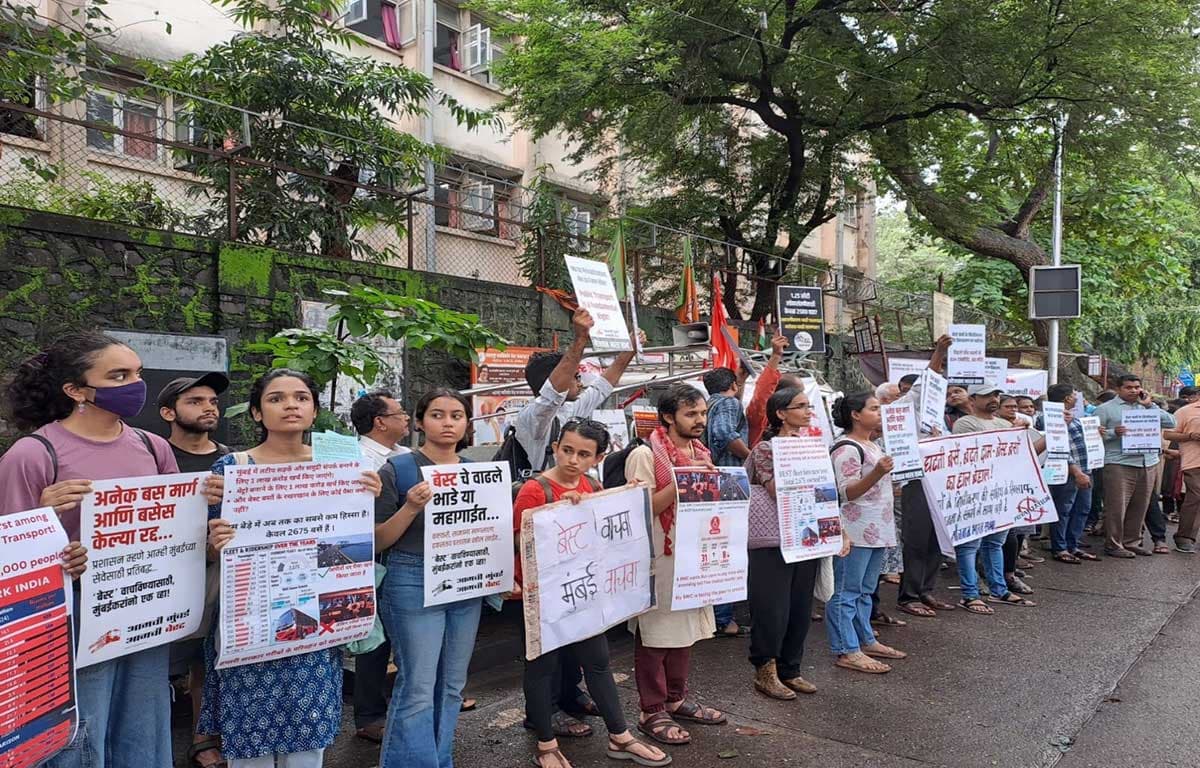
  • Land Ownership Issues in Mumbai: The struggle between landowners (builders) and common citizens highlights a modern form of zamindari, identified as 'Builderdari'. This distinguishes the wealthy developers from average Mumbaikars, who face eviction from essential lands.

  • Public Land Usurpation: Major urban development initiatives have seen the, conversion of valuable public lands into private luxury projects, stressing the pressing need prioritizing public benefit. Notably, mill lands, green spaces, and crucial plots near transport hubs (railway stations) are often repurposed for commercial gains at the cost of public amenities.

  • Healthcare Facility Concerns: Sion Hospital, a public health institution, faces severe overcrowding and inadequate facilities. Involved in the land controversy is the alleged developer-Guardian Minister for Mumbai, reflecting a concerning nexus between political power and real estate interests.

  • Judicial Considerations: A call for courts to take suo moto cognizance of land issues has been proposed, with a recommendation to freeze any further conversion of public spaces until a comprehensive assessment of existing public land in Mumbai is conducted. This is crucial for safeguarding public welfare and maintaining the city’s livability.

  • Economic Implications: The shift from public to luxury private development often reflects broader economic disparities, where the luxury real estate market flourishes while public infrastructure and services, like healthcare, stagnate.

  • Historical Context: The problem is described as a longstanding issue in Mumbai, where land originally designated for public use is increasingly privatized, leading to severe repercussions for city inhabitants.

By summarizing the above points succinctly, it emphasizes the ongoing conflict between private interests represented by builders and the needs of the community, underscoring the necessity for reform in land use policies and judicial intervention.

Supreme Court Decision on Electoral Roll
Polity and Governance06-Oct-2026

Supreme Court Decision on Electoral Roll

Summary of Key Facts and Developments

Constitutional and Legal Context

  • Supreme Court's Role: The Chief Justice of India (CJI) Surya Kant stated that the Supreme Court did not approve any modifications to Form 6 related to electoral rolls.
  • Right to Vote: The case reflects on citizens' inalienable right to vote and participate in the electoral process, a fundamental right protected under Article 326 of the Indian Constitution.

Election Commission Insights

  • Form 6 Modifications: The Election Commission of India (ECI) included an unapproved new section in Form 6 regarding the status of applicants' parents in relation to the Special Intensive Revision (SIR) of electoral rolls.
  • Judgment Reference: The modifications were implicitly rejected by the Supreme Court in a judgment dated 27 May 2026, where it upheld the integrity of electoral processes.

Political Reactions

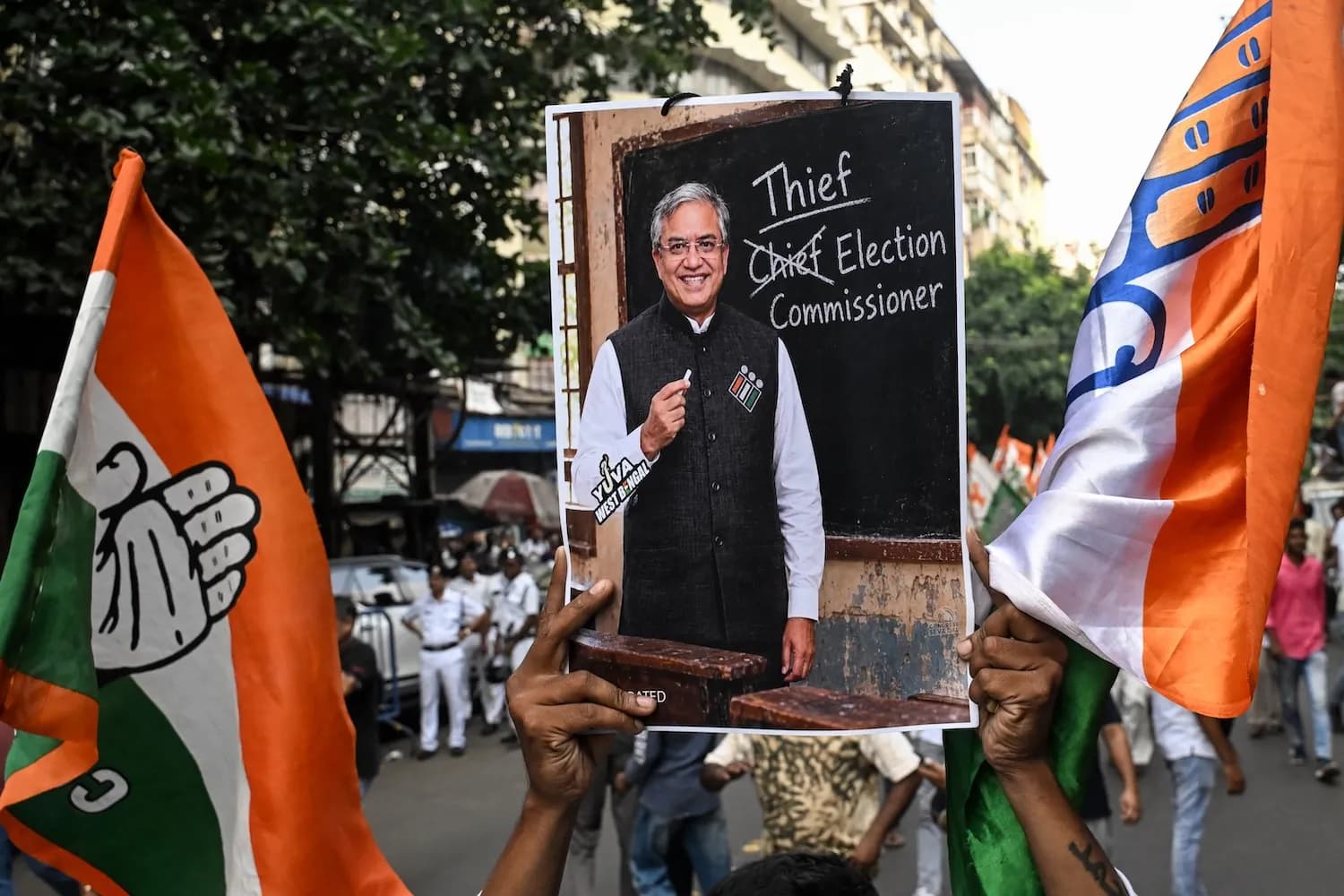
  • Opposition Allegations: Rahul Gandhi and other opposition leaders claim the changes facilitated by Chief Election Commissioner Gyanesh Kumar were unlawful and aimed to favor the ruling BJP.
  • Government Defense: BJP representatives condemned the opposition's remarks, asserting that the Supreme Court's involvement in the matter signifies democratic functioning and transparency.

Controversy and Accountability

  • Misleading Statements: The ECI refuted accusations from opposition leaders, citing that its decisions were made with the unanimous approval of the commission. Gandhi’s statements were challenged as misleading.
  • Institutional Confidence: MPs expressed concern over conflicting statements between the ECI and the Supreme Court regarding Form 6, emphasizing the importance of maintaining institutional credibility amidst allegations of electoral manipulation.

Economic and Electoral Context

  • Impact on Elections: The controversies surrounding electoral rolls reflect broader concerns regarding the integrity of the electoral process in India, raising fears about potential voter disenfranchisement and "stolen elections."
  • Public Sentiment: Discussions suggest growing public dissatisfaction, with calls for accountability directed toward the ECI and modifications implemented under the current regime being described as illegitimate.

Notable Comments from Leaders

  • CPI and CPIM Reactions: Leaders from CPI and CPIM highlighted the need for the Supreme Court's involvement to clarify legal standings and protect electoral rights, pointing out that the reluctance of the Court had been a long source of contention for voters.

Conclusion

This situation underscores significant challenges faced in maintaining electoral integrity in India, with implications for democracy and citizens' rights. The debates over electoral forms and accountability of electoral officers highlight the need for clear legal guidelines and adherence to constitutional provisions in the election process.

Controversy Over Election Commissioner Appointments
Polity and Governance05-Oct-2026

Controversy Over Election Commissioner Appointments

Summary Notes on Election Commission Appointment Mechanism

Historical Context

  • On June 15, 1949, during the Constituent Assembly debates, Shibban Lal Saxena expressed concerns regarding the appointment of Election Commissioners in India, suggesting it could lead to bias from the ruling party.
  • Saxena proposed a two-thirds majority requirement in Parliament for appointments to ensure impartiality; however, this was voted down.
  • H. N. Kunzru also raised concerns about the Central Government's potential bias, emphasizing that Commissioners must act fearlessly for democracy to thrive.

Constitutional Provisions

  • Article 324 of the Indian Constitution establishes the Election Commission and provides a framework for the appointment of the Chief Election Commissioner (CEC) and Election Commissioners.
  • No law was passed by Parliament for 74 years regarding the appointment mechanism until the Supreme Court intervened in 2023.
  • The Supreme Court ruling in Anoop Baranwal v. Union of India mandated that appointments be made based on a recommendation from a committee comprising the Prime Minister, the Leader of the Opposition, and the Chief Justice of India (CJI).

Legislative Developments

  • In 2023, Parliament enacted the Chief Election Commissioner and Other Election Commissioners Act, 2023, amending the selection committee by replacing the CJI with a Union Cabinet Minister nominated by the Prime Minister.
  • The revised committee structure now includes the Prime Minister, the Leader of the Opposition, and a minister selected by the Prime Minister, raising concerns about the independence of the Election Commission due to the prominent role of the ruling party in the appointment process.

Current Concerns

  • The recent changes have rekindled debate over the impartiality of the Election Commission, particularly whether the appointment mechanism allows for sufficient distance between the government and the electoral body.
  • The essence of the arguments proposed in the Constituent Assembly remains relevant today, questioning whether the government can be trusted to appoint a neutral election referee amidst its own interests.

Key Takeaways

  • Structural impartiality is essential for fostering trust in democratic institutions.
  • The perception of independence of the Election Commission is critical; a lack of trust in the appointment process can undermine its legitimacy.
  • Debate continues on whether the current parliamentary decision-making regarding appointments fulfills the democratic safeguards intended by the Constitution.

These concerns highlight an ongoing tension within democratic governance regarding electoral integrity, impartiality, and the foundational principles established in India's Constitution.

Election Commission Faces Serious Allegations
Polity and Governance05-Oct-2026

Election Commission Faces Serious Allegations

Election Commission of India (ECI) Overview

  1. Background and Constitutional Provisions:

    • The ECI is a constitutional body responsible for conducting free and fair elections in India.
    • Article 324: grants ECI the power to oversee and conduct elections, ensuring independence from the executive government, as emphasized by Dr. B.R. Ambedkar in the Constituent Assembly debates.
    • Article 326: mandates universal adult suffrage, ensuring all eligible citizens have the right to vote.
  2. Judicial Oversight:

    • The Supreme Court has warned about decision-making issues within the ECI, particularly regarding unilaterality in the Chief Election Commissioner’s (CEC) actions that lead to constitutional crises.
    • Impeachment of the CEC can occur on the same grounds as a Supreme Court judge, but it requires the presiding officers of both Houses of Parliament to approve the motion.
  3. Legal Framework:

    • :
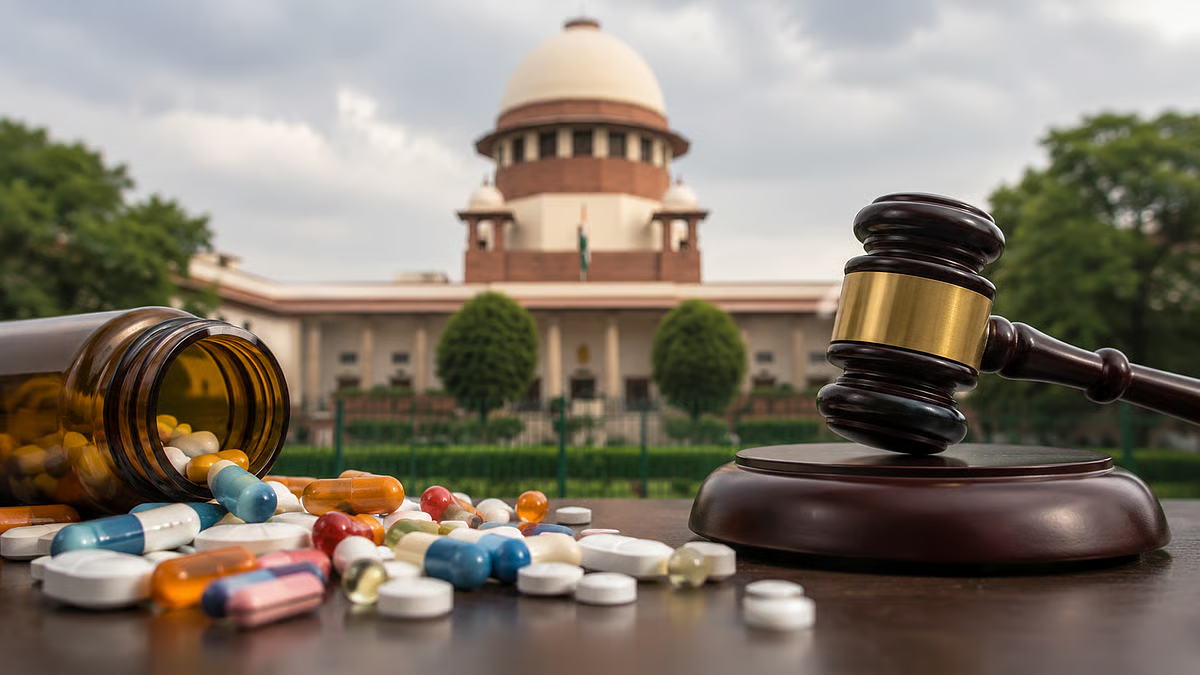
Supreme Court Critiques Medicine Pricing
Polity and Governance05-Oct-2026

Supreme Court Critiques Medicine Pricing

Supreme Court Rulings on Medicine Pricing

Judicial Remarks and Context:

  • The Supreme Court described the markup between retail and printed medicine prices as “broad daylight dacoity with patients.”
  • Highlighted a significant example where a cancer drug has an MRP of nearly ₹27,000 but is supplied to retailers for ₹2,700, indicating a markup of tenfold.

Legal Framework Governing Medicine Prices:

  • Essential Commodities Act, 1955:
    • Section 3(1): Grants the Centre power to regulate essential goods, including medicines, for equitable distribution and fair pricing.
    • Section 3(2)(c): Authorizes price control orders.
  • Drugs (Prices Control) Order (DPCO), 2013:
    • The primary regulatory framework for medicine pricing in India.
    • Empowers the National Pharmaceutical Pricing Authority (NPPA) to fix and revise ceiling prices, monitor compliance, and address overcharging.

Categories of Medicines:

  • : Medicines included in Schedule I of the DPCO, which are subject to government price controls (384 medicines currently listed).
Child Safety and Judicial Awareness
National and International Importance04-Oct-2026

Child Safety and Judicial Awareness

Summary of Key Points:

  1. Judicial Ruling and POCSO Act:

    • The Delhi High Court addressed a case involving a minor rape survivor who identified her abuser as “uncle.”
    • The court emphasized the importance of the child’s testimony and awarded compensation, stating it cannot restore her childhood but acknowledges her courage.
    • Relevant laws:
      • Protection of Children from Sexual Offences (POCSO) Act, particularly Sections 4 (penetrative sexual assault) and 6 (aggravated penetrative sexual assault).
  2. National Crime Records Bureau Statistics:

    • In the 2024 report, of 44,126 reported cases under POCSO, only 1,492 cases involved an unidentified offender. This highlights issues of accountability and societal implications regarding child sexual abuse.
  3. Childhood Trauma:

    • Research indicates that childhood trauma can lead to insecure attachments and emotional issues in adulthood. Such findings suggest a long-term impact on victims of sexual assault.
  4. Societal Attitudes and Gender Perception:

    • The cultural response to incidents of sexual assault varies, with a notable infantilization of girl victims and disbelief towards their accounts compared to boy victims.
    • There is a call to examine the gendered lens through which society views and addresses crimes against children.
  5. Need for Preventative Measures:

    • The narrative urges a societal shift from teaching children how to avoid violence to instituting societal frameworks aimed at preventing violence against women and children.
    • It underscores the necessity for educational reforms and policy changes that empower both genders and ensure safety in public and private spaces.
  6. Constitutional Context:

    • The incident and related rulings raise concerns regarding Articles in the Constitution of India that pertain to the protection of children (Article 39(e) and 39(f) regarding children’s rights), highlighting the need for stricter enforcement and societal change.
  7. Mindset and Cultural Change:

    • The article advocates for a societal handbook that addresses prevention rather than victim-blaming, implying a significant cultural shift is necessary to properly address these issues.

These points outline the serious implications of child sexual abuse, the systemic issues surrounding judicial accountability, cultural perceptions, and the need for comprehensive change in both policy and societal attitudes.

Representation of the People (RP) Act, 1950
  • Section 21: details the preparation and revision of electoral rolls.
  • Emphasizes that special revisions can only be conducted under specific, limited circumstances and must adhere strictly to legal provisions.
  • Recent discussions criticize a lack of legal basis for the Special Intensive Revision (SIR) conducted by the ECI, arguing it contradicts set legislative guidelines.
  • Electoral Rolls Controversy:

    • Approximately 13 crore voters removed from electoral rolls across India in the recent SIR, marking a significant disenfranchisement potentially unprecedented in democratic nations.
    • Allegations are leveled against the ECI for large-scale voter deletions that violate Article 326, which focuses on inclusion and rights of eligible voters.
  • Concerns of Political Manipulation:

    • Historical fears voiced during the Constitution's drafting about political influence over the CEC have resurfaced, with current ECs indicating coercive decision-making and lack of transparency.
    • The drafting committee considered safeguards against partisan appointments to maintain electoral integrity.
  • Government Schemes and Protections:

    • The Chief Election Commissioner and Other Election Commissioners (Appointment, Conditions of Service and Term of Office) Act, 2023 provides the CEC and other ECs with significant legal protection, including lifelong immunity from civil and criminal liability, surpassing protections afforded to even the President of India.
  • Conclusion

    The ECI's recent actions amidst voter roll revisions pose serious concerns about its independence, adherence to constitutional mandates, and potential political manipulation. This situation has prompted discussions of impeachment and questions regarding the integrity of the electoral process in India. The constitutional foundation laid by the framers of the Constitution underscores the importance of impartiality and legal compliance in electoral governance, highlighting ongoing tensions within this key democratic institution.

    Scheduled
  • Non-Scheduled: Medicines not included in Schedule I, exempt from price ceilings yet restricted from increasing the MRP by more than 10% annually.
  • Price Calculation Process:

    • Ceiling prices are calculated based on existing market prices (Price to Retailer - PTR), using the average of formulations that capture at least 1% market share.
    • Retailer's margin of 16% is added to the calculated average to determine the ceiling price.
    • Annual revisions of ceiling prices are aligned with the Wholesale Price Index (WPI), allowing price adjustments without prior approval.

    Concerns Raised in Petitions:

    • Petitioners argue current regulations lead to inflated initial launch prices for non-scheduled medicines.
    • Right to health under Article 21 (Right to Life) is invoked in challenges against lack of control over initial MRPs of medicines, granting manufacturers considerable pricing power.
    • Claims of excessive markups by retailers and hospitals (10-16 times higher than the permissible margin) significantly inflate medicine costs.
    • Example cited: An antibiotic (Tigebax 50mg) with an MRP of ₹5,635 sold at ₹350 in the open market, indicating disparities in pricing across sales channels.

    Economic Impact:

    • Retail pricing constitutes a significant aspect of healthcare costs in corporate hospitals, often constituting 30-40% of bills for critically ill patients.
    • Comparison between generic and branded medicines indicates that generics can be up to 90% cheaper.

    Overview of Current Challenges:

    • The Supreme Court is examining the need for stricter enforcement of price controls under the DPCO and better regulation of drug pricing mechanisms, requesting explanations from the Centre on these disparities.

    Summary

    The Supreme Court's deliberations emphasize pressing issues around the pricing of essential medicines, highlighting legal frameworks, economic disparities, and the constitutional right to health. The challenges present a critical examination of the existing regulatory tools, urging potential reforms to ensure access to affordable healthcare for all citizens while maintaining the balance in pharmaceutical profitability.