iAspirants
Current AffairsPrelims PYQsUPSC CSE SyllabusUPSC CSE StrategyBlogsPricing
Login
iAspirants
Current AffairsPrelims PYQsUPSC CSE SyllabusUPSC CSE StrategyBlogsPricingContact UsLoginSignUp
iAspirants

Your AI-powered companion for UPSC preparation.

Study Resources

  • Current Affairs
  • Prelims PYQs
  • UPSC CSE Syllabus
  • UPSC CSE Strategy
  • Blogs

Practice & Plans

  • Mains Answer Evaluation
  • Pricing
  • Sign Up
  • Login

Company

  • Home
  • About Us
  • Contact Us
  • FAQs

Legal

  • Privacy Policy
  • Terms & Conditions
  • Return Policy

© 2026 iAspirants, Inc. All rights reserved.

  1. Blogs
  2. Science and Technology

India's Rare Earth Manufacturing Initiative

Published on: 28-Nov-2025

Source: Indian Express

Share this post

India's Rare Earth Manufacturing Initiative

Article Summary

  • Government Initiative: The Union Cabinet approved a Rs 7,280-crore rare earth manufacturing program titled the ‘Scheme to Promote Manufacturing of Sintered Rare Earth Permanent Magnets’.

  • Objective: The initiative aims to reduce reliance on imports for critical rare earth elements essential for various sectors including electric vehicles (EVs), aerospace, defence, and electronics.

  • Target Production: The scheme targets establishing a manufacturing capacity of 6,000 metric tonnes per annum (MTPA) of integrated rare earth permanent magnets (REPM) in India.

  • Market Context: India's consumption of rare earth permanent magnets is projected to double by 2030, with the majority currently sourced through imports. In the fiscal year ending March 2025, India imported over 53,000 metric tonnes of these magnets.

  • China's Dominance: China predominantly controls the rare earth market and has imposed export controls on magnets since April 2024, significantly affecting global automakers, including Indian vehicle manufacturers.

  • Scheme Duration: The total duration of the scheme is 7 years, commencing from the date of award, which includes a 2-year gestation period.

  • Financial Components: The scheme comprises a sales-linked incentives provision of Rs 6,450 crore for REPM sales over five years, along with a capital subsidy of Rs 750 crore for setting up manufacturing facilities.

  • Beneficiary Allocation: The total manufacturing capacity will be allocated to five beneficiaries through a competitive bidding process, with each receiving up to 1,200 MTPA of capacity.

  • Importance of Rare Earth Magnets: Rare earth magnets, especially neodymium-iron-boron (NdFeB) magnets, are critical for the production of EV motors and various electronic components, ensuring efficiency and efficacy in EV performance.

  • Global Supply Chain Impact: The Chinese restrictions on rare earth materials have led to supply chain challenges for Indian EV manufacturers, causing potential delay in production and price hikes due to component shortages.

  • Government's Response: Indian automakers have engaged with the government to streamline the procurement process for rare earth magnets from China, amid the complex and lengthy bureaucratic hurdles established by the Chinese authorities.

This initiative aligns with India's push for self-reliance and strategic positioning in the global rare earth market, while addressing vulnerabilities linked to supply chain dependencies on international sources, particularly China.

Key Terms & Concepts

Rs 7,280-crore programfunding for rare earth manufacturing
6,000 metric tonnes per annumtarget manufacturing capacity
2030future consumption expectation
53,000 metric tonnesFY 2025 rare earth imports
7 yearsscheme duration
Rs 6,450 croresales-linked incentives
Rs 750 crorecapital subsidy for facilities
neodymium-iron-boron (NdFeB) magnetskey component for EVs
Chinadominant supplier of elements
April 4date of export restriction
electric vehicles (EVs)sector impacted by shortages

Mind Map for UPSC Civil Services Revision

Turn UPSC Civil Services Current Affairs Into Exam-Ready Notes

Reading Science and Technology current affairs is half the work. Revise them with ready-made notes and test what actually stuck.

  • Daily UPSC Civil Services current affairs analysis
  • Revision notes, mind maps & MCQs
  • Prelims mock tests with instant results

Related UPSC Civil Services Current Affairs Articles

Impact of Climate on Truffle Production
Environment and Ecology04-Nov-2026

Impact of Climate on Truffle Production

  • Climate Change Impact: Rising temperatures and drier summers are negatively impacting the growth and production of truffles, particularly in Italy's Piedmont region. This phenomenon is also observed in other agricultural products such as cocoa, coffee, and vanilla.

  • Historical Context of Food Extinction:

Practise Mains answer writingUpload a handwritten answer and get it evaluated
  • Passenger Pigeon: Once abundant in North America, the species was hunted to extinction, with the last individual dying in captivity in 1914.
  • Silphium: A herb favored by the Romans, it was so extensively consumed that it went extinct in the 1st or 2nd century CE.
  • Changing Agricultural Patterns:

    • In regions like Bordeaux (France) and Tuscany (Italy), warmer climates lead to early ripening of grapes, affecting wine flavor profiles.
  • Geographic Shift in Truffle Production:

    • Scotland is experiencing suitable conditions for truffle growth, offering a potential substitute for traditional Italian truffles as climate change constrains production in Southern Europe.
  • Biodiversity and Sustainable Practices: The situation underscores the importance of biodiversity in food production and the need for sustainable agricultural practices in the face of climate change.

  • Policy Implications: The loss of biodiversity affects food security and necessitates policies aimed at climate adaptation and the preservation of agricultural heritage.

  • International Agreements: Actions in response to climate change can be guided by international treaties such as the Paris Agreement, which aims to limit global warming and mitigate its impacts on ecosystems and agriculture.

  • Science and Technology: Innovations in agricultural science may provide new methods for cultivating truffles or other crops under changing climatic conditions, promoting resilience in food systems.

  • These points highlight the interconnectedness of climate change, agricultural productivity, and historical precedents in food species extinction, marking significant themes for environmental sustainability discussions.

    AI Enhances Infostealer Malware Threats
    Science and Technology03-Nov-2026

    AI Enhances Infostealer Malware Threats

    Cybersecurity Threat: AI-Enhanced Infostealer Malware

    Overview: Researchers at Cisco's Talos threat intelligence unit have identified a new strain of infostealer malware called “Volta-Autodoxer” that leverages artificial intelligence (AI) to enhance its capabilities in targeting and extracting information from victims. This malware represents a significant evolution in cyber threats as it automates the process of profiling victims to determine high-value targets.

    Key Features of Volta-Autodoxer:

    • Automation: The malware automates traditionally manual tasks, significantly compressing the timeline of cyber-attacks.
    • Target Profiles: Targets younger internet users with active online lifestyles.
    • Data Collection: Gathers a comprehensive array of sensitive information including:
      • Usernames and passwords from browsers.
      • Microsoft OAuth tokens.
      • Cookies and payment card information.
      • Crypto wallet seed phrases.
    • Social Media Targeting: Specifically designed to extract information from platforms like Discord, Telegram, Steam, and Roblox.

    Operational Methodology:

    • The malware first collects data from a variety of applications including email and food delivery services. The analysis is then performed using AI models like Anthropic’s Claude Opus, Google's Gemini, or open-source alternatives.
    • It creates structured reports on victims, including their worth and operational security considerations.

    Security Implications:

    • Increased Risk: Malicious actors with lower technical skills can now execute sophisticated attacks previously reserved for more advanced hackers, suggesting a democratization of cyber threats.
    • Data Breaches: Infostealers have been linked to several major data breaches in the past, compounding the urgency around cybersecurity measures.

    Judicial and Regulatory Context:

    • Cybersecurity Laws and Regulations: The rise of sophisticated malware like Volta-Autodoxer underscores the ongoing need for robust cybersecurity legislation and international cooperation in combating cyber threats. References may include laws related to cybercrime and data protection standards.

    International Cybersecurity Trends:

    • Cybersecurity experts, including those from Crowdstrike, have noted an increase in hacking groups utilizing AI tools to breach networks across various sectors, including governmental and healthcare entities.

    Science and Technology Implications:

    • The integration of AI into malware signifies a trend where machines are not only enhancing productivity but are also being misused for malicious purposes. This calls for a re-evaluation of cybersecurity frameworks and technologies designed to mitigate AI-related threats.

    Economic Indicators:

    • The increasing prevalence of AI in cybercrime may necessitate greater investment in cybersecurity solutions, impacting industry growth figures and potentially influencing stock markets related to cybersecurity firms.

    Conclusion:

    The emergence of AI-enhanced malware like Volta-Autodoxer highlights a critical intersection of technology, cybersecurity, and policy. Enhanced awareness, regulation, and rapid advances in cybersecurity tools will be essential to mitigate these evolving threats.

    IIT-Madras and Saint-Gobain Partnership
    Science and Technology03-Nov-2026

    IIT-Madras and Saint-Gobain Partnership

    Collaboration on Sustainable Construction Research

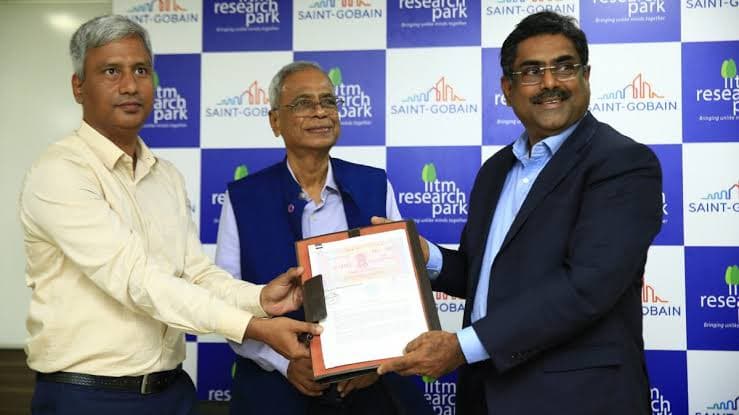
    • Partnership: Saint-Gobain India and IIT-Madras are collaborating to enhance innovation in sustainable construction materials and digital technologies.

    • Funding: The initiative is supported by a grant of ₹3.8 crore over a three-year period.

    • Laboratories:

      • Digital Real-Time Sensing Technologies for Infrastructure (DRSTI):

        • Focus: Monitoring construction progress and assessing quality.
        • Objectives: Improve productivity and evaluate building performance.
      • Concrete Admixture Research for Engineering Next-gen Construction (CAREN):

        • Focus: Investigating interactions between chemical admixtures and alternative cementitious materials.
        • Aim: To identify supplementary materials that can partially substitute Portland cement.
    • Goals: Address critical challenges in the construction sector including:

    India's Shift Towards Electrification Strategy
    Economic and Social Development03-Nov-2026

    India's Shift Towards Electrification Strategy

    Summary of Key Points

    Economic Indicators:

    • India imports about 60% of its LPG, with 90% of shipments passing through the Strait of Hormuz.
    • The NITI Aayog report forecasts that India's fuel import bill could drop from about 4% of GDP to 0.2% by 2070 through increased electrification.
    • In 2025, India became the world's fourth-largest producer of clean electricity.
    • Bureau of Energy Efficiency (BEE) programs saved 53.6 million tonnes of oil equivalent in 2023-24.

    Government Policies and Schemes:

    • Shift towards electrification viewed as a component of economic security and strategy.
    • Focus areas include industrial heat transition and kitchen electrification, which currently rely heavily on coal, oil, and gas.
    • BEE's standards and labeling program for energy-efficient appliances has been successful and could be adapted for heat pumps and induction cooktops.

    Judicial and Regulatory Updates:

    • The government deferred mandatory star labeling for induction cooktops until January 2027 to maintain supply during the LPG shortage.
    Successful Launch of NVS-03 Satellite
    Science and Technology31-Oct-2026

    Successful Launch of NVS-03 Satellite

    Summary of ISRO’s NVS-03 Launch and NavIC System

    ISRO and Launch Details

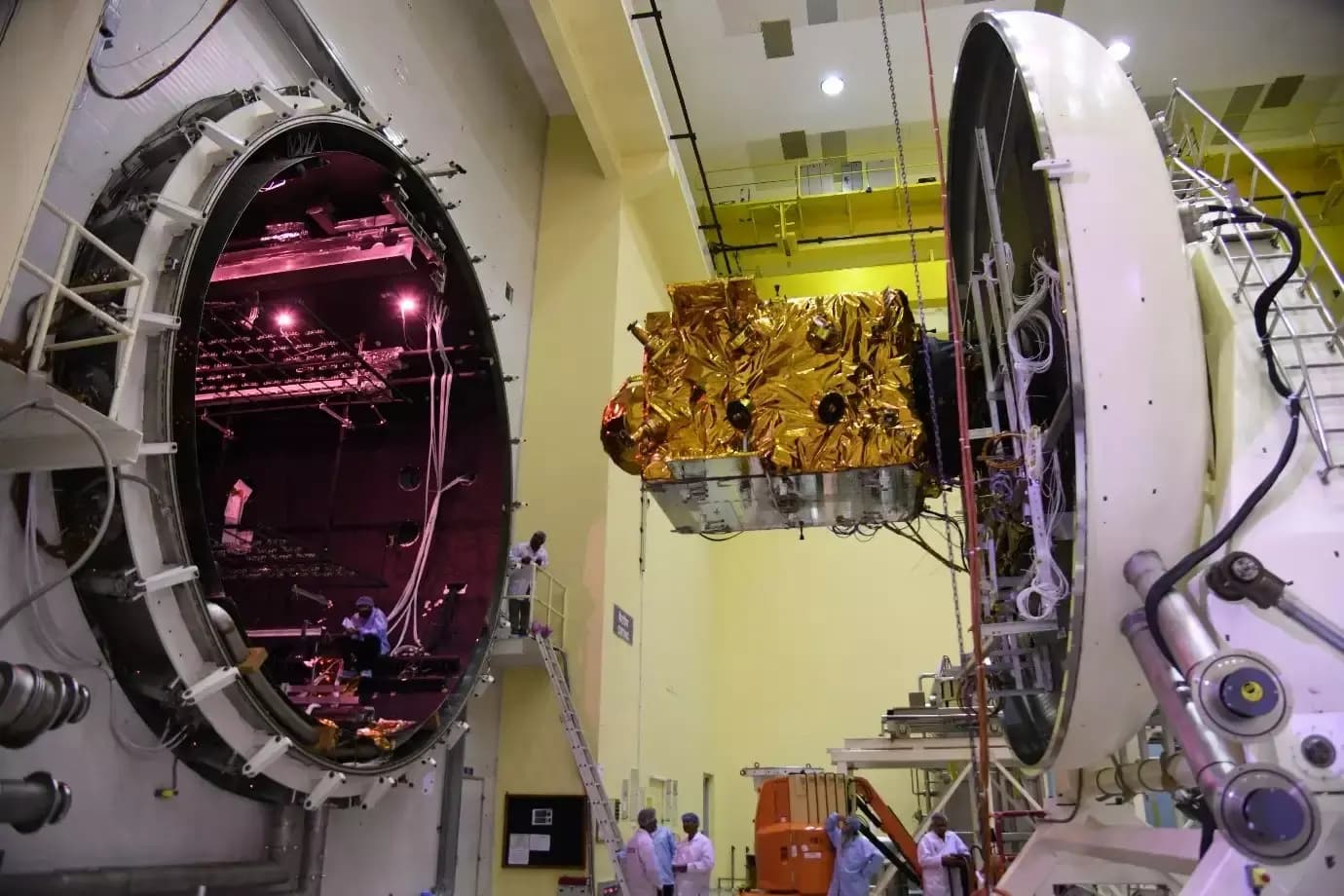
    • Mission: GSLV-F18 successfully launched NVS-03, a next-generation navigation satellite, from Sriharikota Spaceport.
    • Lift-off: October 30, 2026, with a completion time of 18.46 minutes to enter the geosynchronous transfer orbit.
    • Mission Gaps: The NVS series has experienced significant gaps in launches: NVS-01 (May 2023), NVS-02 (January 2025), and now NVS-03 (October 2026) represents a gap of nearly 20 months.
    • Challenges: ISRO faced three failures in six missions from January 2025 to January 2026 which slowed the launch pace.

    NavIC System Overview

    • Operational Requirement: NavIC (Navigation with Indian Constellation) needs at least four satellites for effective core service, but currently, only three of the 11 satellites are operational.
    • Current Satellites:
      • IRNSS-1B - Exceeded its 10-year lifespan.
      • IRNSS-1I - Functional until approximately 2028.
      • NVS-01 - Operational for at least another decade.
    • Recent Setbacks: NVS-02 was rendered ineffective due to a failure in its onboard engine, affecting its operational capacity.

    Future Needs for NavIC

    • To restore NavIC to minimum operational capacity, ISRO requires at least two additional satellites (NVS-04 and NVS-05).
    • For robust functionality and redundancy, a constellation of six to seven satellites is necessary for sustained performance and coverage.

    Comparison with Global Navigation Systems

    • Global Positioning System (GPS): Operated by the USA with at least 30 satellites for reliability and uninterrupted service.
    • BeiDou System: China’s alternative to GPS, consisting of approximately 35 satellites providing global navigation services.

    Key Facts and Figures

    • Launch Date of NVS-03: October 30, 2026.
    • Total Satellites Needed for NavIC Basic Functionality: At least 4.
    • Current Operational Satellites: 3.
    • Historical Launch Gaps: 19 months between NVS-01 and NVS-02, almost 20 months for NVS-02 to NVS-03.
    • Technical Lifespan of Satellites:
      • IRNSS-1B: Exceeded lifespan.
      • NVS-01: At least ten more years.

    Importance

    • The successful launch of NVS-03 is critical for enhancing India’s indigenous navigation capabilities and mitigating the risks caused by the recent operational failures observed in NavIC’s constellation.

    This summary encapsulates the necessary points regarding the recent advancements in India's satellite launch efforts and the implications for the NavIC navigation system, focusing on facts and figures essential for examination purposes.

    • Productivity enhancements.
    • Increased material efficiency.
    • Improved structural durability.
    • Facilitation of digital transformation within the industry.
  • Location: The research labs will be based at the Centre of Excellence on Technologies for Low-carbon and Lean Construction at IIT-Madras.

  • This partnership positions itself to contribute significantly towards sustainable practices in the construction industry, aligning with global efforts for low-carbon construction methodologies.

    International Context:

    • Electrification could aid Indian exporters in complying with international carbon border adjustments, such as the EU's CBAM (Carbon Border Adjustment Mechanism).

    Science and Technology Updates:

    • Opportunity to utilize heat pumps for industrial needs; they can deliver 2.5 to 4 times more heat than traditional electric boilers.
    • Current usage of electric energy in Indian industries is low—around 25%, compared to 50% in China.

    Transition Challenges:

    • High initial costs and slow return on investment for heat pumps are barriers for adoption in Indian industries.
    • Over 90% of heat pumps in India are imported, contributing to vulnerability to supply shocks.

    Market Dynamics:

    • Confidence issues surround energy efficiency claims, as manufacturers use varying standards.
    • Development of Indian-specific standards and a star labeling system for heat pumps is underway to enhance consumer trust.

    Conclusion

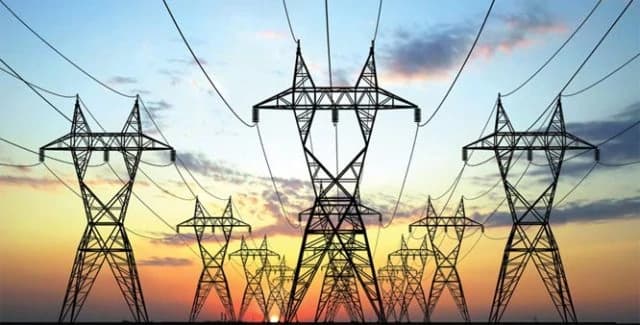
    The shift toward electrification in India offers a pathway to reduced fuel dependency and improved energy efficiency in industries and households. The BEE's initiatives and regulatory developments are key to facilitating this transition, supporting both economic growth and environmental objectives.