iAspirants
Current AffairsPrelims PYQsUPSC CSE SyllabusUPSC CSE StrategyBlogsPricing
Login
iAspirants

Your AI-powered companion for UPSC preparation.

Quick Links

  • Home
  • About Us
  • Current Affairs
  • Prelims PYQs
  • UPSC CSE Syllabus
  • UPSC CSE Strategy
  • Blogs

Company

  • Pricing
  • FAQs
  • Contact Us
  • Login

Legal

  • Privacy Policy
  • Terms & Conditions
  • Return Policy

© 2025 iAspirants, Inc. All rights reserved.

  1. Blogs
  2. International Relations

Iran Conflict Escalates Amid US Tensions

Published on: 04-Sep-2026

Share this post

Iran Conflict Escalates Amid US Tensions

Article Summary

Key Facts and Updates on Current Events

International Military Engagements

  • U.S.-Iran Conflict: Ongoing tensions have not officially escalated to a "war" as defined by U.S. VP J.D. Vance, who noted the absence of active warfare despite clashes. (No legal declaration of war has occurred).
  • Confirmed U.S. Casualties: Reports state that six members of Iran's naval forces were killed during U.S. strikes. The U.S. military claims it does not target civilians amidst casualty disputes post airstrikes, including an incident during a wedding where Iranian officials claim four were killed.
  • Iran's Retaliation: Iran has responded with attacks on U.S. military bases in Kuwait and drone strikes on allied targets, notably amid threats from President Trump of increased military action.

Humanitarian Efforts and Prisoner Exchanges

  • ICRC Involvement: The International Committee of the Red Cross facilitated the release of a Lebanese citizen captured by Israel amidst its conflicts with Hezbollah, highlighting ongoing humanitarian negotiations.

Geopolitical Maneuvering

  • Sultan of Oman: Sultan Haitham bin Tarik is scheduled for a state visit to the U.K. amid pressures from both the U.S. and Iran, demonstrating complex diplomatic balancing in a conflict zone.

Economic Indicators

  • Strait of Hormuz Shipping Traffic: Slip in shipping traffic, with only six vessels reported transiting the Strait of Hormuz, below the 10-day average of approximately 13. This decrease is linked to ongoing conflict implications on global trade routes.
  • U.S. Sanctions Impact: The U.S. Treasury has intensified economic sanctions aiming to "asphyxiate" Iran's economy, intensifying fears of further conflict as the Iranian regime seeks stability.

Israeli Statements and Military Threats

  • Netanyahu on Iran's Stability: Israeli Prime Minister Benjamin Netanyahu expressed confidence that Iran's regime is weakened and could collapse, reflecting a strategic military posture as October elections approach.
  • Defense Strategies: Israeli Defense Minister Israel Katz warned of severe retaliation against Iran if provoked, emphasizing the readiness to target Iranian energy and civilian infrastructure in the event of a direct attack on Israel.

Communication and Diplomatic Relations

  • UAE-Israel Relations: UAE President Sheikh Mohamed bin Zayed discussed contemporary developments with President Trump, focusing on bilateral cooperation amid heightened regional tensions.

International Policy and Rights

  • Iran's Power Structure: The political system in Iran, influenced by the 1979 Islamic Revolution, maintains a unique structure where Shia clergy holds ultimate authority, impacting international relations and internal governance.

Military Developments

  • Strategic Attacks: U.S. military operations have been documented aiming to minimize Iranian naval capabilities while Iran continues to demonstrate its missile and drone capabilities in retaliatory strikes targeting U.S. bases.

These notes encapsulate critical elements of the ongoing U.S.-Iran conflict, emphasizing the interplay of military action, humanitarian issues, and geopolitical strategies impacting regional stability.

Key Terms & Concepts

IranEngaged in military conflict
United StatesConducting military strikes
HezbollahIranian ally in conflict
Strait of HormuzKey oil shipping route
U.S. midterm electionsPossible impact on conflict decisions
ICRCFacilitating prisoner transfer
Malek GhaziIndividual released by ICRC
Economic sanctionsUsed against Iran
UAETarget of Iranian military actions
October 27Date for Israeli elections
KuhestakLocation of airstrike incident
Trump memorandumAttempt to manage conflict
30 individuals

Mind Map for UPSC Civil Services Revision

Turn UPSC Civil Services Current Affairs Into Exam-Ready Notes

Reading International Relations current affairs is half the work. Revise them with ready-made notes and test what actually stuck.

  • Daily UPSC Civil Services current affairs analysis
  • Revision notes, mind maps & MCQs
  • Prelims mock tests with instant results

Related UPSC Civil Services Current Affairs Articles

Modi's Agenda at SCO Summit
International Relations04-Sep-2026

Modi's Agenda at SCO Summit

Summary of the Prime Minister's Participation at the SCO Summit in Bishkek, Kyrgyzstan

  1. Event Overview:

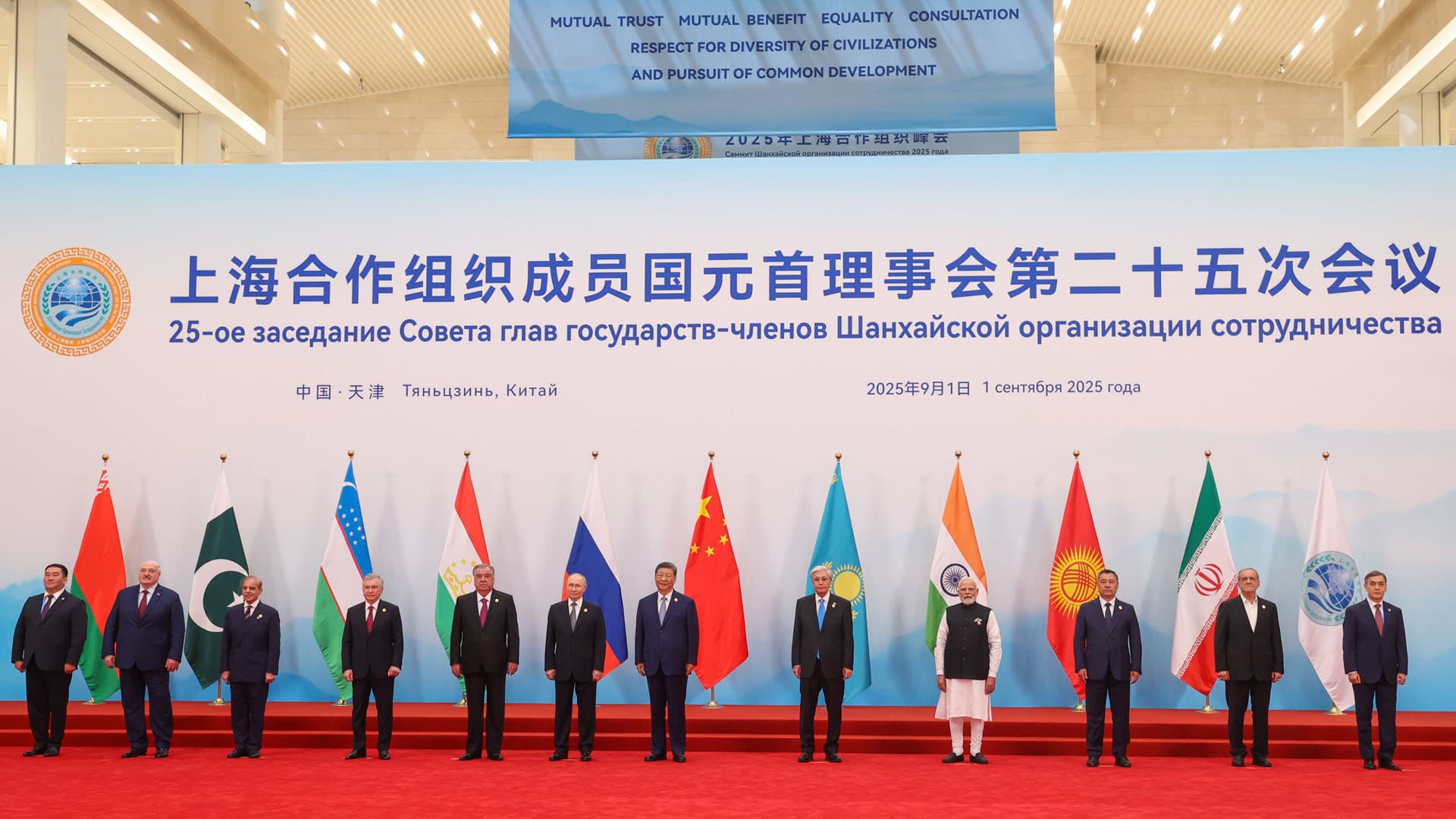
    • Prime Minister Narendra Modi attended the annual Shanghai Cooperation Organisation (SCO) summit in Bishkek, marking the 25th anniversary of the grouping.
    • The summit addressed the economic impacts resulting from the ongoing U.S.-Israel conflict with Iran.
Reportedly seized by Israel
Sultan of OmanBalancing pressure between US and Iran
September 1Date of significant airstrike
Trump StraitProposed name change by Trump
Al Minhad Air BaseTargeted by Iranian strikes
Ahmad VahidiVowed retaliation for airstrike
  • SCO and BRICS Relations:

    • The SCO includes key members like Iran and Pakistan. Importance was placed on Pakistan's new role as the SCO chair.
    • India is set to host a BRICS summit in Delhi on September 12-13, including leaders from Russia, China, and Iran.
  • Key Issues Discussed:

    • The Bishkek declaration condemned U.S. and Israel's actions against Iran, while asserting Iran's right to peaceful nuclear technology under the Non-Proliferation Treaty (NPT).
    • Modi emphasized the need for dismantling “terrorist financing, recruitment, radicalization, and safe havens”, urging the SCO to avoid “double standards” in terrorism policy.
  • Regional Challenges:

    • The summit highlighted strained ties between India and Central Asian nations, with Modi's visits representing an initiative to enhance discussions on trade and critical sectors.
    • Tensions from the Pahalgam attacks and geopolitical shifts were noted, including Pakistan's engagement with the U.S. and a new security pact with Saudi Arabia and Turkey.
  • Judicial/Legislative Context:

    • India’s advocacy for a unified declaration against terrorism in the context of cross-border terrorism received support through the summit’s declaration.
  • Economic and Security Concerns:

    • The economic security of the SCO is impacted by U.S. tariffs, the Iran conflict, and sanctions on Russia, posing challenges to energy security and connectivity (e.g., Hormuz Strait blockade).
  • Constitutional and International Agreements:

    • The Bishkek declaration reinforces positions against terrorism and advocates for collective security, reflecting India's ongoing diplomatic strategies in response to its constitutional stance on national security.
  • Policy Directions:

    • India aims to revive trade relationships and diplomatic engagement with Central Asia, with Modi’s strategic conversations involving trade, tourism, and critical minerals.
  • Future Outlook:

    • The outcome of Pakistan’s presidency in the SCO remains uncertain; Modi's call for decisive actions and solidarity against terrorism reflects a proactive strategy in India's foreign policy and its engagement in regional security dialogues.
  • Scientific and Technological Collaboration:

    • While specific scientific collaborations were not detailed, the emphasis on critical minerals suggests an underlying interest in resource-based cooperation.
  • This summary captures the salient discussions and outcomes from the SCO summit that are relevant for understanding regional dynamics and India's foreign policy.

    India-Belgium Strengthening Strategic Partnership
    International Relations03-Sep-2026

    India-Belgium Strengthening Strategic Partnership

    Joint Statement Highlights: India-Belgium Relations

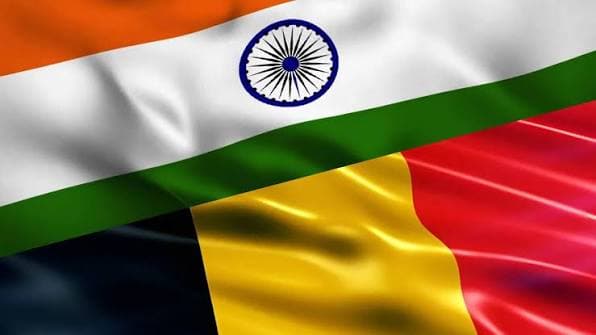
    1. Historical Context:

      • India and Belgium share deep historical ties, notably during World War I when thousands of Indian soldiers fought in Belgium.
    2. Strategic Partnership:

      • Recent developments have expanded cooperation from traditional sectors to strategic areas such as defense and clean energy.
      • Collaboration includes the development of advanced defense equipment like the Zorawar tank.
    3. Economic Growth:

      • India’s economy recorded a growth rate of 7.8% in the last quarter.
      • The India-European Union Free Trade Agreement (2023) aims to enhance economic ties and promote global stability and shared prosperity.
    4. Investment Initiatives:

      • Establishment of an “Investment Fast-Track Mechanism” for Belgian companies in India.
      • Formation of the India-Belgium Business Forum to enhance business collaboration.
    5. Bilateral Trade Goals:

      • Target to double bilateral trade in the next five years through various initiatives.
    6. Defense and Security Cooperation:

      • Agreement to enhance military exchange and training cooperation.
      • Focus on defense co-development and co-production through government and defense industry agreements.
      • Strengthening intelligence sharing and cooperation against crime.
    7. Clean Energy and Sustainability:

      • Memorandum of Understanding (MoU) on renewable energy to enhance sustainability cooperation.
      • Collaboration on critical minerals processing and recycling.
      • Joint efforts in the semiconductor sector, leveraging Belgium's expertise and India's scale, particularly through the IMEC Institute partnership.
    8. People-to-People Ties:

      • Initiatives to strengthen connections between startups and enhance capacity building in the maritime sector.
      • Plans to solidify university and research collaborations.
      • Upcoming “Migration and Mobility Partnership Agreement” to facilitate talent mobility.
    9. Global and Regional Issues:

      • Both nations emphasize the rule of law, dialogue, and diplomacy in addressing global conflicts, including the situation in Ukraine and West Asia.
      • Commitment to countering terrorism in all forms.
    10. Cultural Ties:

      • Recognition of the long-standing connection between India and Belgium through the diamond trade, aiming to evolve this historical relationship into a broader partnership.

    The joint statement underscores a commitment to fostering a robust partnership that addresses economic, defense, and cultural dimensions, paving the way for future collaborations.

    India-China Boundary Talks Insights
    International Relations03-Sep-2026

    India-China Boundary Talks Insights

    Summary of India-China Boundary Negotiations and Relevant Agreements

    Context

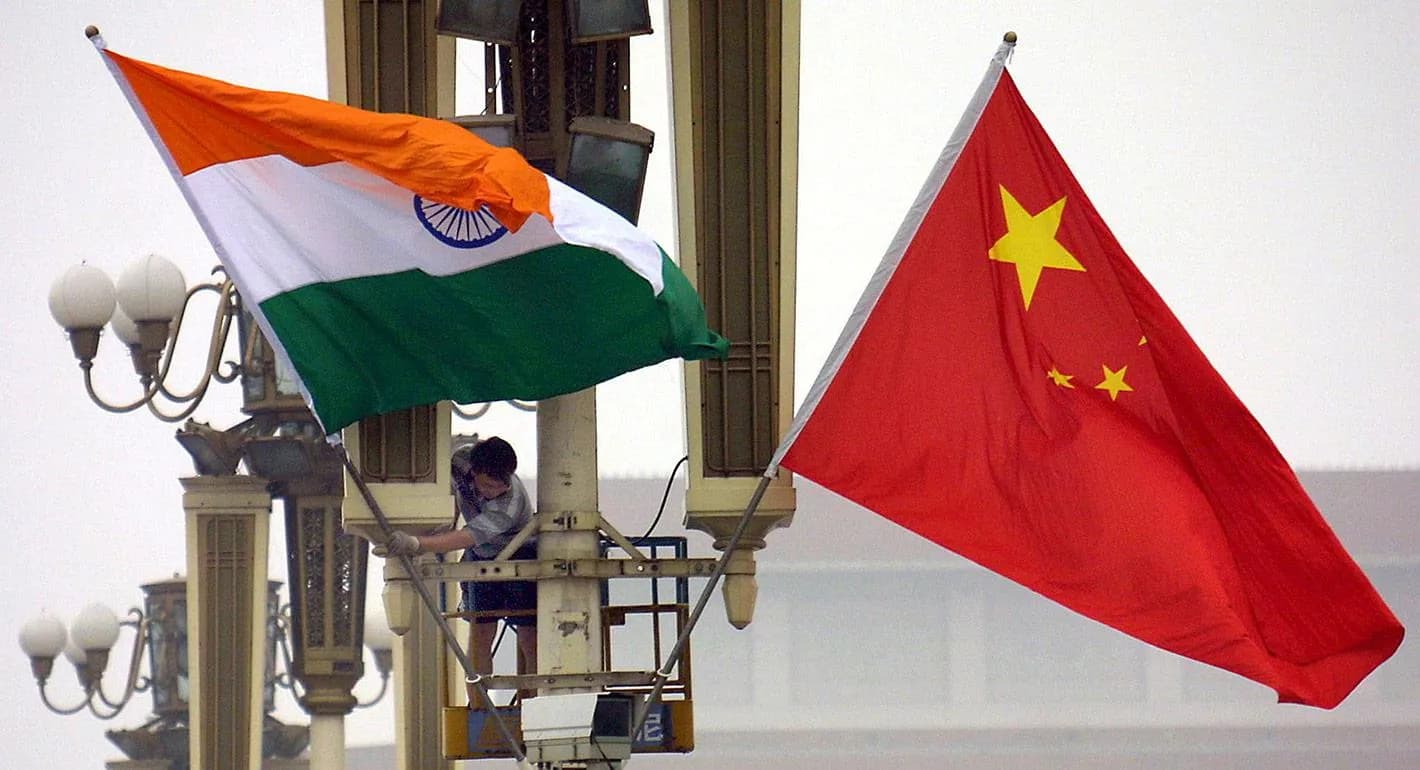
    • On August 25, 2026, National Security Adviser Ajit Doval and China’s Foreign Minister Wang Yi conducted the 25th round of discussions regarding the India-China boundary issue in Beijing.

    Key Outcomes

    1. Eight Points of Outcomes and Consensus:

      • Document includes a commitment to advance discussions on “Early and Substantial Harvest” of boundary delimitation and border management.
      • Establishment of an Expert Group on Boundary Delimitation and a Working Group on Border Management under the Working Mechanism for Consultation and Coordination (WMCC).
    2. Historical Reference in Negotiations:

      • The term "Early and Substantial Harvest" was introduced by India in 2019 during discussions involving Sikkim and the Middle Sector boundary.
    3. Territorial Claims:

      • India maintains claims over approximately 2,450 sq km in the Middle Sector, which includes areas like Barahoti and Lapthal.
    International Warnings from Himalayan Disasters
    Environment and Ecology02-Sep-2026

    International Warnings from Himalayan Disasters

    Summary Notes:

    1. Diplomacy and Conflict Resolution:

      • Prime Minister Narendra Modi emphasized the need to shift from an “endless war” to an “end of war,” promoting dialogue and diplomacy as essential means for resolving international conflicts. This highlights India's stance on international relations, encouraging diplomatic negotiations over military solutions.
    2. Himalayan Disasters and Ecological Concerns:

      • The ongoing ecological challenges in the Himalayan region, highlighted by recent disasters in Nepal, emphasize the fragile geological characteristics of the area.
      • Past disasters (e.g., the 2013 Uttarakhand disaster, 2021 Chamoli tragedy) illustrate a repetitive governmental response pattern of compensation and temporary committees without substantial preventive measures or long-term planning.
      • Current scientific investigations are focusing on the implications of high-altitude rock-and-ice avalanches and the impact of climate change on glacier melting in the Himalayas.
      • The need for reevaluating development models is underscored; a greater emphasis on ecological assessments for infrastructure projects is recommended.
    3. Local Community Engagement:

      • It is essential to involve local communities as active stakeholders in the development process rather than as mere recipients of compensation after disasters.
    4. Development vs. Ecological Cost:

      • The debate on development priorities continues, where rapid developments such as highways and tunnels may incur significant ecological costs.
      • There is a growing concern that the region is becoming economically reliant on tourism and construction, which may lead to unsustainable practices.
    5. Economic Implications:

      • Infrastructure projects must consider cumulative ecological impacts and not merely the immediate benefits of increased traffic and connectivity.
      • The discussion encourages local economies to diversify beyond construction, contracting, and real estate to ensure sustainable development.
    6. International Recognition:

      • The recognition of ecological and geological fragility in the Himalayas presents the opportunity for international collaboration on environmental protection and disaster preparedness initiatives.
    7. Future Implications:

      • The overarching lesson from recent disasters is the pressing need for reflective and precautionary approaches to development, particularly in ecologically sensitive regions like the Himalayas.
      • Continuous monitoring of the ecological situation and rigorous planning may safeguard communities and the environment from foreseeable future disasters.

    This synthesis illustrates critical themes emerging from the recent discourse on international relations and environmental challenges that have implications for policy, development, and community engagement in India and the broader Himalayan region.

  • Previous dialogues proposed settlement focused only on Sikkim, which India rejected.
  • Constitutional and Legal Framework

    • Article III of the 2005 Agreement on Political Parameters and Guiding Principles stipulates a package settlement covering all sectors of the India-China boundary.
    • The boundary is anchored in the Anglo-Chinese Convention of 1890, which presents interpretative challenges as it contains contradictory clauses regarding the boundary alignment.

    Strategic Implications

    • A piecemeal settlement may reinforce China's territorial gains while compromising Indian negotiating positions.
    • Settlements on trijunctions may impact India’s bargaining power with Bhutan and influence China’s proposals to Bhutan, particularly regarding the Doklam Plateau.

    Risk Factors

    • Infrastructure projects like China’s hydropower plant in Medog County near the India-China border raise concerns about regional stability, particularly in seismic zones due to nuclear potential.

    Required Measures for Genuine Progress

    1. Adherent application of delineation based solely on the highest-watershed principles.
    2. Clear exclusion of trijunction points from Expert Group mandates, to be resolved in consultation with involved countries.
    3. Renewal and good-faith extension of India's 2019 proposals to maintain strong negotiation stance.

    Points of Continued Discussion

    • Discussions highlighted the need for additional meetings and hotlines to facilitate communication on border issues and pilgrimages.
    • Emphasis on maintaining dialogue concerning trans-border river projects without conflating them with boundary negotiations.

    Conclusion

    • The negotiations underline the complexities nested in the historical, socio-political context between India and China. The strategic interplay of boundaries will necessitate an alignment with both domestic interests and international treaties to navigate future developments effectively.

    Important Articles and Agreements

    • 2005 Agreement on Political Parameters and Guiding Principles for Settlement: A critical framework for managing India-China boundary discussions.
    • Anglo-Chinese Convention of 1890: Legal reference for boundary discussions, highlighting discrepancies complicating the negotiations.

    This structured overview translates complex negotiations into key actionable insights, focusing on relevant legal frameworks, historical context, and strategic imperatives.