iAspirants
Overview of Fast Breeder Reactor Facts
Published on:
Share this post
Article Summary
Fast Breeder Reactors (FBRs)
Definition: FBRs are nuclear reactors that 'breed' more fissile material than they consume, using fast neutrons for nuclear fission.
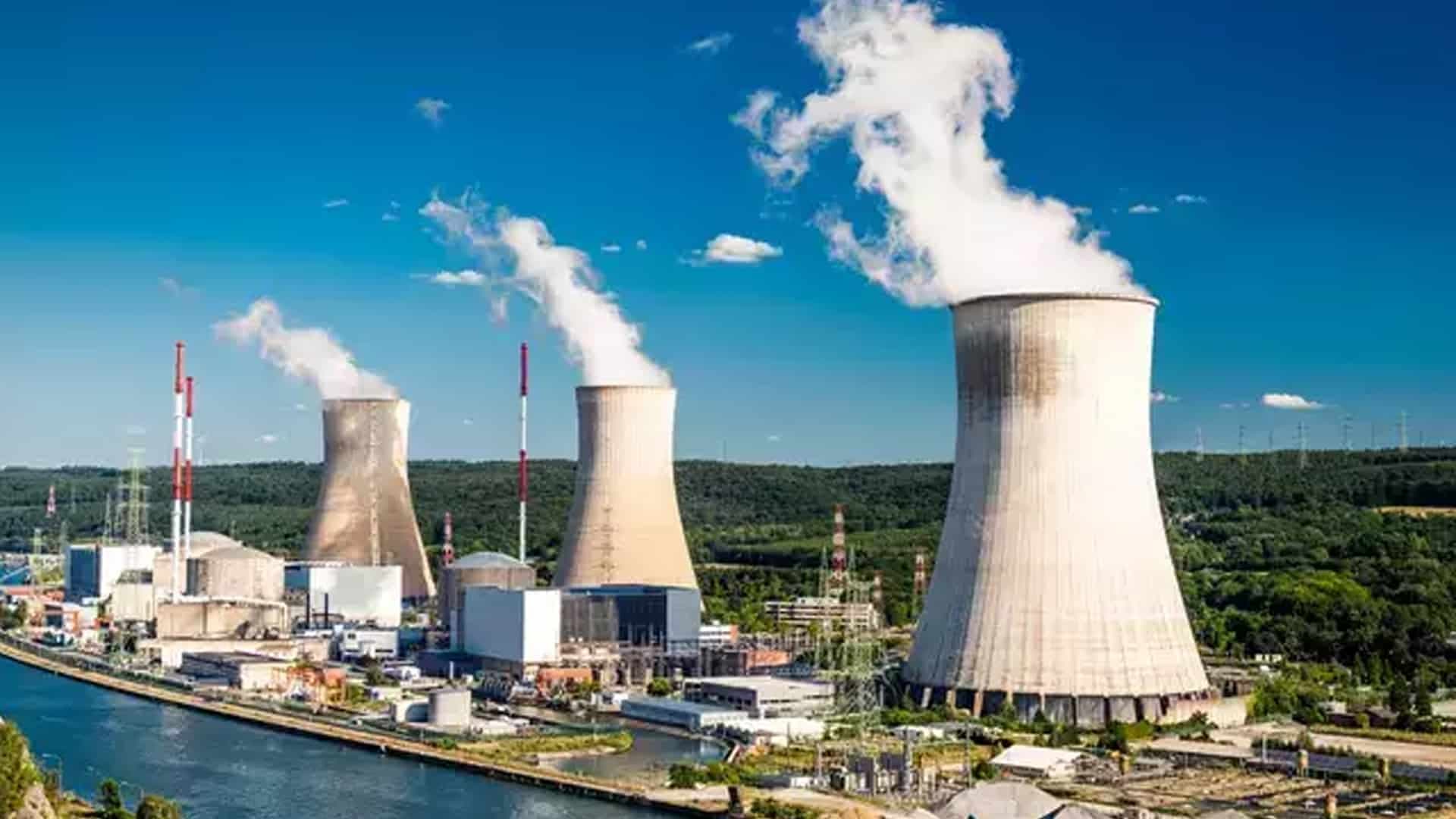
Case Study - Superphénix, France:
- Initiation: Construction began in 1976, costing approximately $10 billion.
- Operational Timeline:
- Became critical in 1985.
- Commercial operation began in 1986 and lasted 11 years.
- Energy Production:
- Achieved less than 20% of its potential energy output.
- Contributed to under 1% of France’s electricity demand.
- Downtime:
- Spent 25 months on technical repairs.
- Remained inactive for 66 months due to political challenges.
- Market Impact:
- Notably, the price of uranium decreased from $40 per pound to $15, undermining the economic justification for the project.
Contextual Implications:
- Nuclear Energy Policy: The challenges faced by FBRs like Superphénix highlight the complexities in nuclear energy production, including technical, political, and economic factors influencing viability.
- Energy Economics: Fluctuations in raw material prices can significantly affect the sustainability and investment rationale for nuclear projects.
Key Terms & Concepts
| Superphénix | Fast breeder reactor in France |
| 1976 | Start year of construction |
| $10 billion | Total cost of construction |
| 1985 | Year became critical |
| 1986 | Year became commercial |
| 11 years | Operational duration |
| 20% | Energy produced versus capacity |
| 1% | Percentage of France's electricity demand met |
| 25 months | Time spent on technical fixes |
| 66 months | Non-operation due to political reasons |
| $40 to $15 | Drop in uranium spot price |