iAspirants
China-India Cooperation at SCO Summit
Published on:
Share this post
Article Summary
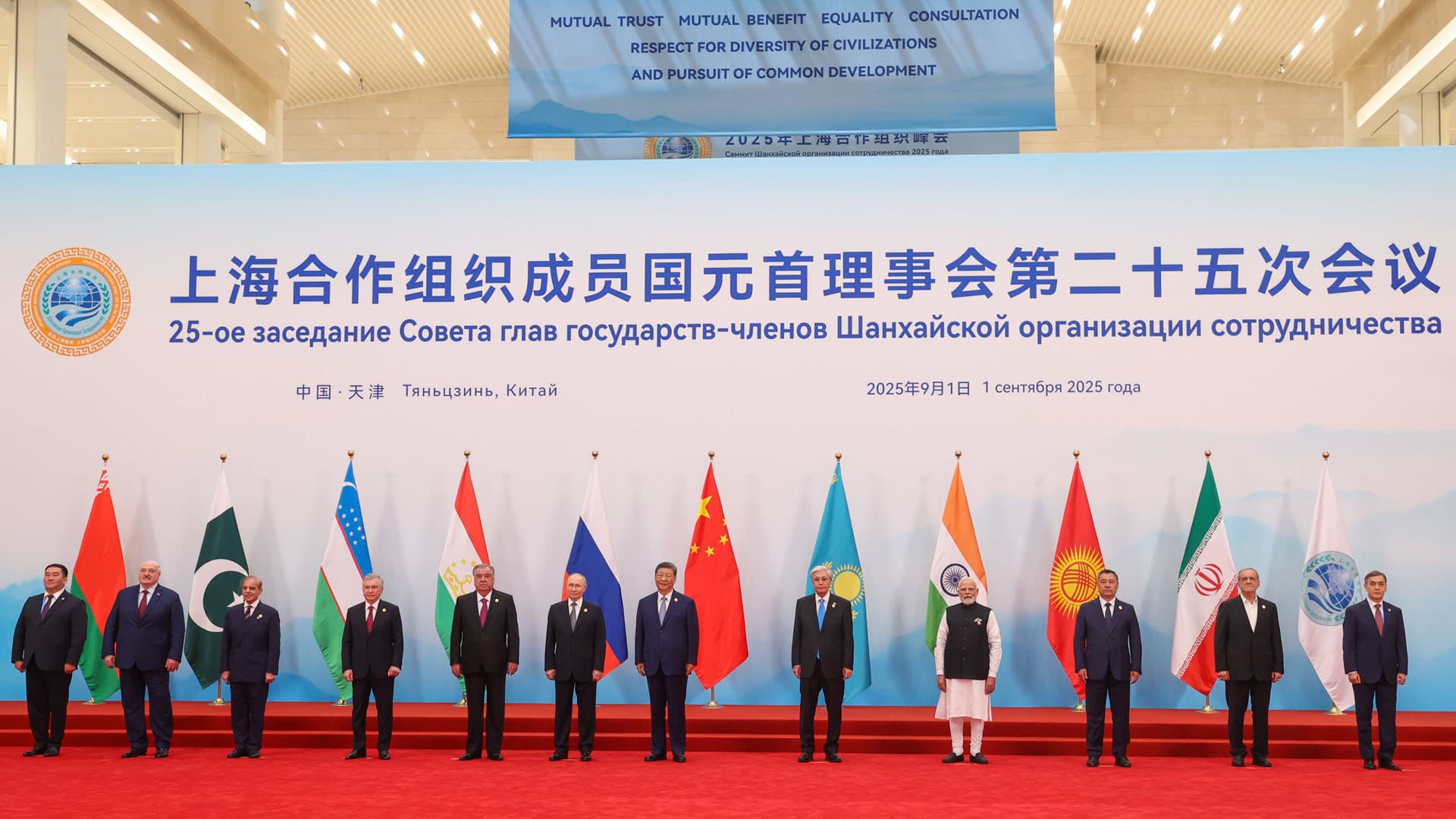
The recent Shanghai Cooperation Organisation (SCO) Summit held in Tianjin, China, marked a significant gathering of leaders and representatives from 23 countries, aiming to rejuvenate collaboration and promote shared development. Prime Minister Narendra Modi of India attended this historic event alongside Chinese President Xi Jinping and other heads of international organizations. Below is a summary of the key developments and agreements arising from the summit:
Key Outcomes and Agreements
Tianjin Declaration: The summit culminated in the Tianjin Declaration, which outlined the establishment of four security centers, including:
- SCO Universal Center for Countering Security Challenges and Threats
- SCO Anti-drug Center
- Additionally, the formation of the SCO Development Bank was announced.
Focus on Multilateralism: Member states reaffirmed their commitment to a multilateral trading system, promoting justice in international relations, and defending the achievements from the Second World War.
Development Strategy for the Next Decade: Leaders adopted a comprehensive development strategy for the SCO, emphasizing:
- Cooperation in energy, green industries, and the digital economy.
- Establishment of centers for scientific innovation, higher education, and vocational training accessible to all member states.
Global Governance Initiative: President Xi proposed the Global Governance Initiative, which emphasizes:
- Sovereign equality
- International rule of law
- Multilateralism
- A people-centered approach
Bilateral Relations between China and India
- This year marks the 75th anniversary of diplomatic ties between China and India. Both Prime Minister Modi and President Xi sought to strengthen bilateral relations, emphasizing partnership over rivalry.
- They agreed on three main principles to guide future engagements:
- Strategic Mutual Trust: Emphasizing the importance of mutual respect and cooperation to avoid conflicts.
- Expanded Cooperation: Focus on facilitating trade, investment, and cultural exchanges across various sectors including technology, education, and poverty alleviation.
- Maintaining Peaceful Relations: Upholding the Five Principles of Peaceful Coexistence, addressing boundary issues constructively, and respecting each other’s core interests.
Global Cooperation and Future Leadership
- As major developing countries and prominent members of the Global South, China and India share common goals related to global governance and development.
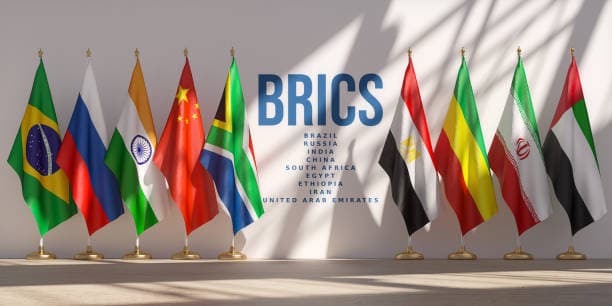
- Both nations will lead the BRICS group sequentially over the next two years, with agreements to support each other’s presidency and to work collaboratively on issues including global governance and opposition to hegemonic practices.
Important Dates and References
- September 11, 2025: Date of publication of the article by Xu Feihong, China’s Ambassador to India, reflecting on the summit's outcomes.
Important Sentences
- The SCO has evolved into the world’s largest regional organization over 24 years.
- The summit resulted in the establishment of new regional security centers and a development bank.
- China announced platforms for cooperation in energy, green industry, and the digital economy.
- The leaders expressed a commitment to uphold Sovereign equality, international rule of law, and multilateralism.
- The Prime Ministers of China and India underscored the shift from rivalry to cooperation, recognizing the importance of mutual interests.
- Both countries are poised to assume the BRICS presidency and work together on global governance initiatives.
This summary encapsulates the strategic importance of the SCO Tianjin Summit and the renewed focus on cooperation, development, and mutual trust between China and India, illustrating the evolving dynamics of regional and global governance.
Key Terms & Concepts
| Shanghai Cooperation Organisation | Major regional organization |
| Tianjin Declaration | Announced security centres |
| SCO Development Bank | Financial institution establishment |
| Global Governance Initiative | Promotes multilateralism |
| Five Principles of Peaceful Coexistence | Guiding diplomatic principles |
| BRICS | Economic cooperation group |