iAspirants
Current AffairsPrelims PYQsUPSC CSE SyllabusUPSC CSE StrategyBlogsPricing
Login
iAspirants

Your AI-powered companion for UPSC preparation.

Quick Links

  • Home
  • About Us
  • Current Affairs
  • Prelims PYQs
  • UPSC CSE Syllabus
  • UPSC CSE Strategy
  • Blogs

Company

  • Pricing
  • FAQs
  • Contact Us
  • Login

Legal

  • Privacy Policy
  • Terms & Conditions
  • Return Policy

© 2025 iAspirants, Inc. All rights reserved.

  1. Blogs
  2. Polity and Governance

Concerns over Academic Freedom in India

Published on: 30-Sep-2026

Share this post

Concerns over Academic Freedom in India

Article Summary

Summary of Key Points on Educational Institutions and Academic Freedom

1. Philosophical Foundation of Education:

  • Educational institutions should be "temples of empiricism," emphasizing observation, experimentation, and peer-reviewed verification.
  • The scientific method relies on questioning and rigorous doubt, opposing beliefs rooted in tradition or charisma.

2. Concerns Over Ritualistic Practices:

  • Criticism arose regarding the requirement for bowing protocols during award ceremonies at IIT Delhi, signaling a return to a hierarchical, feudal mindset.
  • Such protocols can contradict the principles of a secular democratic republic and undermine meritocracy.

3. Constitutional Implications:

  • The practices observed at events like IIT Delhi's convocation run counter to the spirit of the Constitution, particularly in advocating democratic equality over submission to authority.

4. Impact on Intellectual Rigour:

  • The push for traditional respect may stifle the critical thinking skills that modern pedagogy champions, emphasizing the importance of Socratic dialogue over obedience.

5. Academic Freedom Crisis:

  • The "Free to Think 2026" report by Scholars at Risk (SAR) assesses India's academic freedom as "severely restricted," with a decline in the Academic Freedom Index from 0.38 in 2022 to 0.14 in 2025.
  • Concerns include systemic government interference, suppression of dissent, and a climate of fear affecting faculty and student expression.

6. Government Policies and Interference:

  • Under the Bharatiya Janata Party (BJP), there has been an expansion of government control over educational institutions through the University Grants Commission (UGC).
  • This includes relaxing qualification criteria for Vice-Chancellors and increasing casualization of academic staffing.

7. Consequences of Rituals in Academic Settings:

  • Ritualistic practices in research institutions threaten academic freedom and integrity, potentially steering research agendas based on political influence rather than scientific merit.
  • Such compromises could lead to funding and research priorities aligning with ideological biases rather than public need.

8. The Call for Preservation of Scientific Inquiry:

  • A strong advocacy for universities to uphold principles of skepticism and independence, rejecting spiritual and political influences in academic environments.
  • Emphasis on the necessity for educational institutions to maintain their secular purpose and academic integrity.

9. Historical and Cultural Context:

  • Rabindranath Tagore's poem "Where the Mind is Without Fear" serves as a reminder of the need for courage in thought and unwavering pursuit of truth, aligning with the ethos of intellectual freedom desired in academia.

10. Future Implications for Education:

  • The ongoing challenges in the educational sector reflect a need for substantial reform to rescue it from doctrinal rigidity, corruption, and misgovernance.
  • The preservation of the free spirit of inquiry is essential for the advancement of knowledge and a functioning democratic society.

These points underscore the critical intersection of education, governance, and societal well-being, highlighting the imperative for autonomy and integrity in academic institutions.

Key Terms & Concepts

Free to Think 2026Report on academic freedom
Academic Freedom IndexMeasure of academic liberty
0.38 to 0.14Index score decline
University Grants Commission (UGC)Regulatory body for education
2018 regulationsPrevious contract faculty limits
Bharatiya Janata PartyCurrent ruling party
police violenceRepression of student protests
Rabindranath TagoreCultural figure advocating courage
10% capPrevious limit on contract faculty
scientific inquiryCore of academic integrity
intellectual emancipationGoal of education
secular, democratic republicFoundation of governance

Mind Map for UPSC Civil Services Revision

Turn UPSC Civil Services Current Affairs Into Exam-Ready Notes

Reading Polity and Governance current affairs is half the work. Revise them with ready-made notes and test what actually stuck.

  • Daily UPSC Civil Services current affairs analysis
  • Revision notes, mind maps & MCQs
  • Prelims mock tests with instant results

Related UPSC Civil Services Current Affairs Articles

Concerns Over Women's Safety in India
Polity and Governance30-Sep-2026

Concerns Over Women's Safety in India

Summary of Key Points

1. Women's Safety and Constitutional Provisions:

  • Ongoing incidents of assault and molestation of women and minor girls in India raise significant concerns about gender safety.
  • Constitutional relevance: Article 14 (Right to Equality) and (Right to Life and Personal Liberty) highlight the state’s duty to ensure safety and security for all citizens, particularly vulnerable groups like women and minors.
Article 21
  • The Supreme Court’s suo motu cognizance of these cases indicates the judiciary's active role in addressing women's safety.
  • 2. Suggestions for Improvement:

    • Proposals for establishing a dedicated women’s safety police force with a significant representation of women officers were emphasized.
    • Recommendations for infrastructure improvements: enhancing public lighting, increasing patrolling, and ensuring functionality of CCTV systems to improve safety measures.

    3. Food Security and Waste Management:

    • India faces significant food loss due to inadequate storage and transportation, with estimates suggesting losses are worth several crores annually.
    • The call for a national mission to conserve food highlights the need to mitigate waste and maximize resource utilization to ensure food security.

    4. Impact of Climate Change:

    • Acknowledgment of the impact of climate change on food sustainability necessitates sustainable practices concerning water and soil management.

    Relevant Statistics and Data

    • Food waste in India reportedly matches the volume needed to feed the entire population, emphasizing a critical inefficiency in food distribution and management.

    Judicial and Legislative Context

    • The Supreme Court has intervened to address issues related to women’s safety, representing a significant judicial response to a pressing social concern.

    Government Initiatives

    • The discussion of a national mission for food conservation proposes a coordinated national effort towards sustainable practices in agriculture and food management.

    Historical and Cultural Context

    • Emphasizes the contrast between India's rich cultural heritage and the current societal challenges, particularly regarding gender-based violence and public safety.

    Call to Action

    • The need for immediate action to improve the safety of women in public spaces, calling for stakeholders to move from verbal commitments to tangible preventive measures.

    Overall Significance: These issues reflect broader societal challenges and underline the intersections of law, social policy, and cultural attitudes in India. Addressing these concerns is critical not only for improving women's safety but also for reinforcing the country’s commitment to upholding democratic values and human rights.

    Electoral Roll Deletions Statistics Revealed
    Polity and Governance30-Sep-2026

    Electoral Roll Deletions Statistics Revealed

    Summary of the Special Intensive Revision (SIR) of Electoral Rolls

    Key Facts and Data:

    • Total Names Deleted: Approximately 13.3 crore names have been removed from the electoral rolls during the SIR process across India.
    • Categories of Deletion:
      • Absent, Shifted and Others: 9.5 crore (over 71%)
      • Deceased: 2.7 crore (just over 20%)
      • Multiple Entries: 1.01 crore (approximately 7.6%)

    Breakdown of Deletions:

    • Phases of SIR:
      • Phase 1 & 2:

        • Total deletions: 7.2 crore
        • Absent, Shifted, Others: 5 crore
        • Deceased: 1.6 crore
        • Multiple Entries: 52 lakh
      • Phase 3:

        • Total deletions: 6.1 crore
        • Absent, Shifted, Others: 4.5 crore
        • Deceased: 1.1 crore
        • Multiple Entries: 49.6 lakh

    Registration Process:

    • Individuals removed in the 'absent, shifted, and others' category can re-register using Form 6, which is generally for new voter registrations.

    Political Response and Demands:

    • Civil society and opposition parties, particularly the Congress party, are urging for the SIR process to be canceled and for all deleted names to be reinstated.
    • Nationwide agitations are planned by the Congress along with the INDIA bloc allies.

    Geographic Scope:

    • Phase 3 covers multiple states and Union Territories including:
      • Delhi, Odisha, Mizoram, Sikkim, Manipur, Uttarakhand, Andhra Pradesh, Arunachal Pradesh, Haryana, Chandigarh, Telangana, Punjab, Karnataka, Meghalaya, Maharashtra, Jharkhand, Nagaland, Tripura, Dadra and Nagar Haveli, and Daman and Diu.
    • Earlier phases included states such as Bihar, West Bengal, Tamil Nadu, and others.
    • Assam conducted a "special revision" due to National Register of Citizens (NRC) legalities.

    Notable Information:

    • The process does not apply to Himachal Pradesh, Jammu and Kashmir, and Ladakh.

    Conclusion:

    The SIR process has led to extensive changes in the electoral rolls, with a significant number of names deleted primarily due to absence or relocation. The potential for reinstatement exists for many affected voters, and political opposition continues to challenge the motivations and processes of the SIR, emphasizing the importance of electoral inclusivity.

    Ethics in Digital News Publishing
    Polity and Governance30-Sep-2026

    Ethics in Digital News Publishing

    Digital News Publishers Association: Code of Ethics

    Purpose and Framework:

    • Voluntary Code of Ethics aimed at responsible digital publishing.
    • Ensures editorial independence while protecting constitutional freedoms (e.g., Article 19(1)(a) of the Constitution of India).

    Legal and Ethical Compliance:

    1. Adherence to Laws: Members must comply with over 30 laws related to media, Indian Penal Code (IPC), Criminal Procedure Code (CrPC), and the Information Technology Act, 2000.
    2. Journalistic Standards: Commitment to high professional conduct and accepted norms, emphasizing accuracy, transparency, and fairness.
    3. Pre-Publication Verification: Mandatory accuracy checks before publication to avoid defamation and misinformation.

    Right of Reply:

    • Articles must include comments from parties involved in allegations.
    • Obligated to update articles with new developments, ensuring transparency.

    Content Integrity:

    • Mechanism to edit, delete, or retract news articles found to contain inaccuracies upon request by affected parties.

    Intellectual Property Rights:

    • Respect for copyright, requiring permissions for use of copyrighted materials, and actions against infringement.

    Reporting Sensitivity:

    • Special care mandated in reporting criminal cases, especially those involving minors or sensitive subjects like sexual harassment, ensuring presumption of innocence and factual reporting.
    • Adherence to Sections 67, 67A, and 67B of the Information Technology Act, 2000 regarding the publication of obscene or explicit content.

    Grievance Redressal Mechanism:

    • Compliance with the grievance redressal provisions outlined in the Information Technology Act 2000.
    • Appointment of a grievance officer to address complaints within 36 hours and resolve them within one month.

    Training and Awareness:

    • Regular training programs for editorial staff covering existing laws pertinent to media, including:
      • The Indecent Representation of Women (Prohibition) Act
      • Copyright Act
      • Right to Information Act
      • Provisions regarding defamation, juvenile justice, and POCSO.
    • Strict guidelines on reporting sensitive cases and protecting the identity of victims, particularly in communal or religious disputes.

    Judicial Reporting:

    • Emphasis on correct reporting in courts, ensuring that all versions are covered without unintended commentary, while maintaining privacy, especially for individuals not in public life.

    Summary Points:

    • Constitutional Reference: Article 19(1)(a) ensures freedom of speech and expression.
    • Mandatory Compliance: Laws such as IPC, CrPC, and IT Act provide a legal framework for operation.
    • Ethics: Accuracy and fairness are emphasized through a self-regulatory approach.
    • Grievances: Established procedures facilitate accountability and transparency.
    • Special Care: Focus on sensitive issues, juveniles, and victims' identities to promote responsible journalism.

    This Code exemplifies a commitment to upholding ethical standards in digital journalism while aligning with legal mandates, promoting fairness, and protecting individual rights.

    Impeachment of Chief Election Commissioner
    Polity and Governance29-Sep-2026

    Impeachment of Chief Election Commissioner

    Summary of Key Points and Legal Framework Relating to the Election Commission and Impeachment

    Constitutional References:

    • Article 324(5): Details the process of removing the Chief Election Commissioner (CEC) and other Election Commissioners, requiring impeachment for "proved misbehaviour or incapacity".
    • Article 124(4): Additionally refers to the conditions under which the CEC can be impeached.

    Legal Framework:

    • Supreme Court Judgment (Anoop Baranwal): Asserts norms expected of Election Commissioners including independence, impartiality, integrity, propriety, equality, and diligence.
    • Representation of the People Act, 1950 (Section 32(1)): Criminalizes actions by election officials that breach their duty in electoral roll preparation.

    Election Commission Issues:

    1. Admittance of Impropriety: The ECI's press note (September 26) indicates failures such as no documented meeting agendas or minutes over the past year, raising concerns about the legality of major decisions made without proper protocol.

    2. Changes to Form 6:

      • Misrepresentation of Supreme Court Ruling: The ECI claimed that modifications to Form 6 were legally sanctioned, which contradicts assessments by legal commentators.
      • Unauthorized Changes: The ECI admitted to reverting back to the original Form 6 due to objections from two Election Commissioners, indicating prior violations of law.
      • Pressure on Voters: Reports suggest that the ECI misled voters who were wrongfully removed from rolls to falsely declare themselves as new voters to re-register.
    3. ECINET System Review: The ECI's decision to form a committee to verify the compliance of ECINET (the online portal for managing electoral rolls) indicates uncertainty over the legality of previously processed deletions of over 13 crore names, reflecting on procedural integrity.

    Impeachment Considerations:

    • The cumulative evidence suggests grave lapses in duties by the CEC and other commissioners, including blatant violations of both legal and procedural frameworks, thus justifying a strong basis for potential impeachment.

    Implications:

    • The highlighted admissions from the ECI underscore serious allegations regarding governance within the election administration, with potential constitutional ramifications affecting electoral integrity.

    Conclusion:

    The findings present a considerable case of dereliction against the Chief Election Commissioner and the Election Commission, raising significant questions on electoral integrity and procedural adherence, with strong grounds for impeachment under the existing legal framework.

    Launch of PRAHAAR Counter-Terrorism Strategy
    Polity and Governance29-Sep-2026

    Launch of PRAHAAR Counter-Terrorism Strategy

    Counter-Terrorism Framework: PRAHAAR

    1. Initiative Overview:

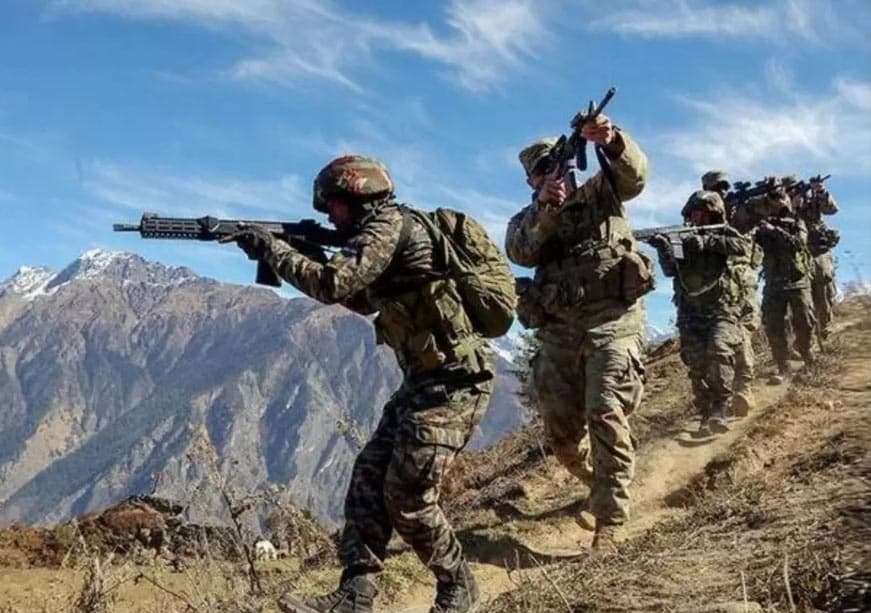
      • Union Home Minister Amit Shah inaugurated the conference on ‘PRAHAAR – CT Policy and Strategy’ aiming for a strengthened counter-terrorism framework in India.
    2. PRAHAAR Framework:

      • Represents seven pillars:
        1. Prevention
        2. Response
        3. Aggregating Internal Capacities
        4. Human Rights
        5. Attenuating Conditions for Terrorism
        6. Aligning International Efforts
        7. Recovery and Resilience
    3. Policy Stance:

      • The Indian government, under PM Narendra Modi, has adopted a zero-tolerance policy towards terrorism.
    4. Strategic Implementation:

    Concerns Rise Over Voter Deletions
    Polity and Governance28-Sep-2026

    Concerns Rise Over Voter Deletions

    Key Summary Notes on Voter Registration and Electoral Roll Issues in India

    Constitutional References:

    • Right to Vote: The right to vote is fundamental to Indian democracy, underlined by various articles in the Constitution, including Article 326, which provides for the elections to the Lok Sabha and State Legislative Assemblies to be on the basis of universal adult suffrage.

    Electoral Commission Allegations:

    • An explosive report indicates that two Election Commissioners raised formal objections at least 14 times over 10 months against Chief Election Commissioner Gyanesh Kumar, highlighting concerns about unauthorized changes to voter registration processes.
    • The elections are currently under a Special Intensive Revision (SIR), which led to more than 54.6% of Delhi's existing voters being flagged for deletion or verification, cuing significant democracy concerns.

    Voter Data Statistics:

    • In total, Delhi has 1.45 crore registered voters; over 80 lakh are currently under scrutiny by the Election Commission of India (ECI).
    • Notable deletions include 47.5 lakh marked for being Absent, Shifted, Dead, or Duplicate, while 33.13 lakh face operational errors.
    • National estimates suggest a potential loss of 12 to 13 crore voters across the country, with states such as Maharashtra projected to lose 2 crore voters by the exercise's end.

    Judicial and Administrative Concerns:

    • The Supreme Court has upheld the legality of the SIR, but former election officials have questioned its fairness and potential voter disenfranchisement.
    • Flawed internal databases of the ECI have resulted in incorrect flagging of legitimate voters due to clerical errors, impacting their right to vote and eligibility for essential services.

    Government Schemes & Electoral Integrity:

    • Existing schemes that rely on valid voter registration are at risk as the SIR process yields erroneous deletions, affecting essential benefits for individuals who are legitimate voters.

    Reports from Other States:

    • West Bengal: Discrepancies led to 27 lakh voters flagged for review, with 91% of appeals revealing wrongful deletions.
    • In Bihar, Kerala, and Tamil Nadu, revisions were executed right before major elections, heightening disenfranchisement risks.

    Administrative Processes:

    • Concerns have been raised regarding the delegation of quasi-judicial powers to Booth Level Officers (often teachers) who verify citizenship, potentially leading to arbitrary disenfranchisement.
    • The process has raised doubts about the integrity of electoral rolls as the adult population has increased, yet the number of registered voters is contracted.

    Implications for Democracy:

    • Analysts suggest that these practices could reduce the national electorate to 88 crore, disenfranchising around 15 crore citizens, which contradicts demographic growth trends.
    • This administration-driven purging of voters risks undermining democratic integrity and public faith in electoral processes.

    Conclusion:

    It is critical that the ECI re-evaluates the SIR process to uphold the credibility of electoral rolls, ensuring that stakeholder rights are protected and democracy is preserved. The administrative actions and their timing raise fundamental questions about the electoral system's integrity and need reform or reconsideration to avoid disenfranchisement of legitimate voters.

    Credibility Crisis of Election Commission
    Polity and Governance28-Sep-2026

    Credibility Crisis of Election Commission

    Summary of Key Facts and Issues Regarding the Election Commission of India (ECI):

    1. Constitutional Body Functionality:

      • The ECI is expected to function independently, in accordance with constitutional mandates, similar to the tenure of T.N. Seshan.
      • The current perception is that ECI has become susceptible to political pressures, which undermines its constitutional role.
    2. Allegations of Compromised Integrity:

      • Serious allegations are being raised regarding the credibility and independence of the ECI, as evidenced by dissent from two Election Commissioners regarding the electoral-roll revision process.
      • Concerns center around the handling of the Electoral Roll Online Network (ERONet), modifications to Form 6, and the exclusion of eligible voters.
    3. Dissent and Accountability:

      • The dissent from the Election Commissioners indicates internal disagreements on the electoral processes, highlighting potential accountability issues within the ECI itself.
    Digital News Publishers' Code of Ethics
    Polity and Governance28-Sep-2026

    Digital News Publishers' Code of Ethics

    Digital News Publishers Association: Code of Ethics Overview

    Constitutional References

    • Article 19(1)(a): Right to freedom of speech and expression, ensuring independence in the gathering and dissemination of news.

    Key Legal Frameworks

    • Information Technology Act, 2000: Governs aspects of digital content and sets penalties for various infractions.
    • Provisions related to media operations from Indian Penal Code (IPC) and Code of Criminal Procedure (CrPC).
    • Information Technology (Intermediary Guidelines) Rules, 2011: Outlines responsibilities for online intermediaries.

    Ethical Standards and Practices

    • Digital news publishers are committed to adhering to laws related to media operation and maintaining high journalistic standards.
    • Accuracy, transparency, and fairness are essential, necessitating pre-publication verification to prevent dissemination of misinformation.
    • Grievance redressal mechanisms must be in place; complaints to be addressed within one month.
    • Emphasis on translating PRAHAAR principles to the thana (police station) level for effective local governance.
    • Continuous monitoring and analysis of terrorist incidents will guide the strategy for the next decade.
    • Importance of inter-agency coordination to eliminate delays in counter-terrorism actions.
  • New Initiatives:

    • Launch of an extradition portal aimed at expediting the return of fugitives from abroad.
    • Urged state police forces to establish dedicated teams for fugitive tracking.
  • Conference Goals:

    • Facilitate collaboration between Central and state agencies regarding:
      • Counter-terrorism policies
      • Operational preparedness
      • Inter-agency responses
      • Building long-term resilience against terror threats.
  • Data Highlights:

    • Between 2019 and 2026, the Indian government successfully repatriated 288 fugitive criminals from 36 countries.
    • Enhanced inter-agency coordination has led to the dismantling of over 40 modules of the Shahzad Bhatti Network, linked to cross-border smuggling of arms, explosives, and drugs.
  • Attendees:

    • Senior officials including:
      • Union Home Secretary
      • Foreign Secretary
      • Heads of Central Armed Police Forces
      • Directors General of Police from 15 states
      • Anti-Terrorism Squad (ATS) chiefs from all states and Union Territories.
  • This summary encapsulates India's focused approach toward a comprehensive counter-terrorism strategy aimed at enhancing national security and effective law enforcement through institutional collaboration and international cooperation.

  • Critics argue that dissent without subsequent action does not fulfill the responsibility of constitutional officials to safeguard electoral integrity.
  • Issues with Electoral Rolls:

    • There are reported cases of unilateral decisions leading to the mishandling of electoral rolls, which poses a significant threat to democratic processes.
    • The reference to "14 instances of objections" suggests systemic flaws in the management of electoral data.
  • Public Response and Criticism:

    • Public sentiment shows distrust in the ECI’s ability to uphold its responsibilities, with demands for greater transparency and adherence to constitutional directives.
    • There is a recognition of potential underlying conspiracies aimed at manipulating electoral outcomes, which must be investigated and addressed appropriately.
  • Judicial Oversight:

    • If constitutional institutions are found to be compromised, legal repercussions should follow to restore public trust in the electoral system.
    • The integrity of the electoral framework is seen as vital for maintaining democracy, and judicial scrutiny may be needed to refine the processes involved.
  • Conclusion: The current situation calls for immediate reforms and reinforced independence of the ECI to ensure fair and transparent electoral processes, adhering strongly to constitutional provisions and public expectations.

    Responsibilities in Reporting

    1. Right of Reply: Inclusion of responses or comments from parties involved in news articles.
    2. Correction Policies: Mandatory editing or deletion of false or inaccurate information upon verified request from affected parties.
    3. Intellectual Property Rights: Respect for copyrights, with proper permissions and acknowledgments for content use.
    4. Sensitive Reporting: Enhanced caution in cases involving minors or sensitive subjects like child abuse, sexual harassment, and communal disputes.
    5. Privacy Respect: Care in the coverage of individuals' identities, especially in sensitive or judicial matters.

    Specialized Reporting Guidelines

    • Reporting on crime should maintain a presumption of innocence and be based on verified facts.
    • Extra caution required in reporting on situations involving victims of crimes, particularly minors.
    • Training sessions are mandated to keep editorial staff knowledgeable about applicable laws and ethical standards, including:
      • Indecent Representation of Women (Prohibition) Act
      • Right to Information Act
      • Provisions relevant to juvenile justice and the Protection of Children from Sexual Offences (POCSO)

    Grievance Mechanism

    • Each member must appoint a grievance officer, respond to grievances within 36 hours, and resolve complaints within one month.

    Training and Awareness Initiatives

    • Regular programs aimed at ensuring editorial staff are up-to-date with legal obligations and ethical considerations surrounding the reporting of sensitive issues.
    • Focus on the importance of communal harmony, factual verification, and avoidance of sensationalism in reporting.

    Conclusion

    The Code of Ethics formulated by the Digital News Publishers Association serves as a comprehensive framework ensuring responsible digital publishing, upholding constitutional rights, and maintaining ethical journalism standards across various digital platforms.