iAspirants
India and China Strengthen Relations
Published on:
Share this post
Article Summary
On October 24, 2023, External Affairs Minister S. Jaishankar emphasized India's adherence to the One-China policy during a meeting with Chinese Foreign Minister Wang Yi in New Delhi. Addressing Taiwan's status, Jaishankar stated, “Taiwan is part of China,” reflecting India's longstanding diplomatic stance. Despite this, India continues to engage with Taiwan on economic, technological, and cultural levels through their respective representative offices.
Key Points from the Meeting:
- India has consistently maintained the One-China policy, established under the framework that recognizes Taiwan as part of China.
- The discussions occurred against the backdrop of evolving India-China relations, celebrating the 75th anniversary of diplomatic ties.
- Jaishankar emphasized the importance of stable, cooperative future relations between India and China, highlighting mutual benefits.
- National Security Advisor Ajit Doval also reiterated India’s adherence to the One-China policy during his discussions with Wang.
China's Perspectives:
- The Chinese readout from Wang's meetings noted the necessity of cooperation to enhance understanding and trust for the well-being of both nations and world peace.
- Wang Yi pointed out that current global dynamics are changing rapidly, marked by unilateralism and challenges to free trade and international order.
- He advocated for a united approach between India and China to exemplify progress for developing nations and support for a multipolar world.
Bilateral Cooperation Focus:
- Both Jaishankar and Wang discussed the recent positive trends in their bilateral relations, including the implementation of agreements reached between their leaders during previous meetings.
- The resumption of Indian pilgrimages to sacred sites in Tibet was highlighted as a significant aspect of their rapprochement.
- Cooperation has been reaffirmed across various sectors, with topics including the supply of fertilizers, rare earths, and tunnel boring machines raised during the meeting.
Future Prospects:
- The Chinese side expressed readiness to reaffirm amity and mutual benefits while fostering a secure and prosperous relations narrative.
- Jaishankar called for continued political trust-building and collaboration on economic and cultural initiatives.
- Both nations agreed to jointly maintain stability in the global economy and reaffirmed multilateralism commitments.
Overall Significance:
- This dialogue symbolizes a commitment to deepening political and economic ties between the two nations despite historical tensions.
- The recognition of Taiwan’s status as part of China reflects the complexities and sensitivities of international relations in the region.
- The engagement also aligns with broader geopolitical contexts, highlighting India's role in regional stability and international diplomacy amid changing global dynamics.
The developments underline the necessity for both countries to navigate their relationship with careful attention to historical grievances, strategic perspectives, and external geopolitical pressures, thereby ensuring continued engagement conducive to peace and mutual growth.
Important Highlights:
- Jaishankar: “Taiwan is part of China” reflects adherence to the One-China policy.
- Cooperation between India and China is advancing with recent dialogues.
- Focus on economic, cultural, and technological exchanges with Taiwan.
- China committing to addressing India’s needs in critical sectors.
- Emphasis on multilateralism and maintaining stability in global economic frameworks.
Key Terms & Concepts
| Taiwan | Part of China |
| One-China policy | India's diplomatic stance |
| Shanghai Cooperation Organization | Multilateral forum |
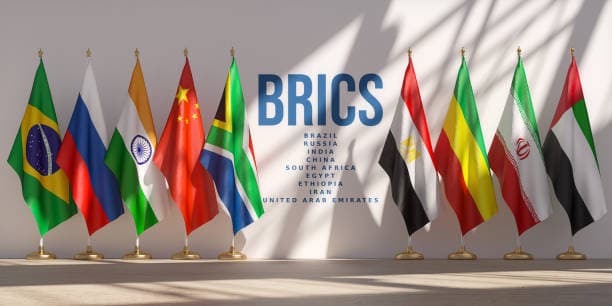
| BRICS | Multilateral cooperation platform |
| Xizang | Location for pilgrimage |
| India-Taiwan relations | Economic and cultural ties |
| North-South cooperation | Strengthening bilateral ties |