iAspirants
Iran's Maritime Influence on Economy
Published on:
Share this post
Article Summary
Economic and Strategic Insights on Maritime Transport and the Strait of Hormuz
Geopolitical Implications of Maritime Trade:
- Historically, the economic prowess of nations (e.g., UK, Japan, US, China) correlates with maritime dominance.
- India’s shipping sector is critiqued for its weakness, which restricts its geopolitical leverage.
Foreign Exchange Contribution by Seafarers:
- Indian seafarers generate substantial foreign exchange despite risks such as piracy and geopolitical tensions in critical shipping routes.
Strait of Hormuz:
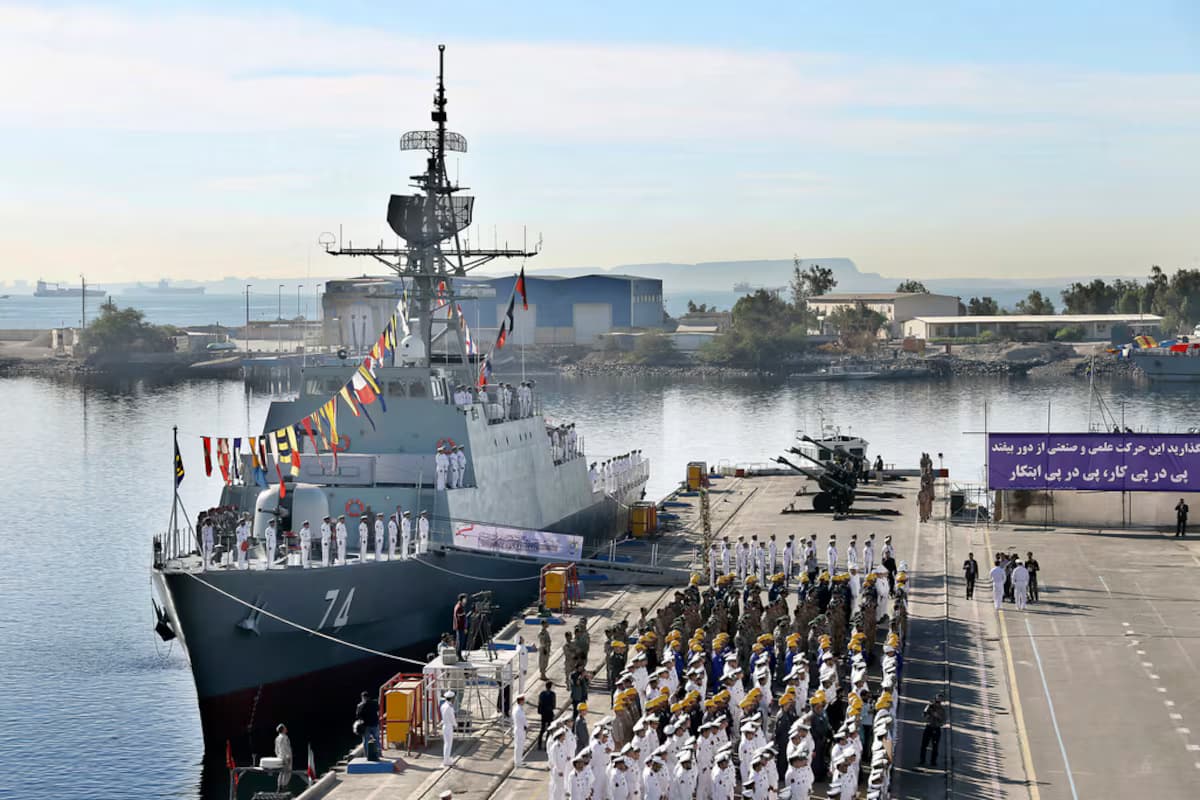
- The Strait of Hormuz is strategically vital, with disruptions significantly affecting global energy flows, incurring economic costs beyond immediate conflict zones.
- Iran’s recent actions, leveraging its control over the Strait, highlight vulnerabilities in global supply chains, particularly for countries heavily reliant on this route.
Iran and Maritime Administration:
- Iran has established the "Persian Gulf Strait Authority" to regulate maritime transits through the Strait of Hormuz.
- A memorandum of understanding aims to potentially lift sanctions on Iran and vessels supporting its trade, indicating a significant geopolitical shift.
- This new governance may lead to changes in how shipping companies navigate, given Iran's role as a decisive stakeholder.
India’s Energy Security Concerns:
- India’s reliance on the Strait of Hormuz for energy (LPG and fuel imports) has been highlighted as a significant strategic weakness.
- The country's limited fleet of Indian-flagged carriers and poorly positioned supply chain increase vulnerability during geopolitical crises.
Global Response and Strategic Adjustments:
- Countries, including the UAE, are reassessing dependence on the Strait of Hormuz, adopting strategies like “zero Hormuz dependency” by enhancing alternative infrastructure and routes.
- India's strategic priority must shift towards diversifying supply chains, investing in alternate corridors, and strengthening international partnerships.
- Previously explored projects, such as Chabahar, illustrated potential routes but were sidelined, indicating missed opportunities.
Conclusion:
- For India, moving away from over-dependence on the Strait of Hormuz is not merely an economic goal but a pressing strategic necessity, underscoring the importance of proactive contingency planning in maritime logistics.
Recommendations for India:
- Strengthen Maritime Capacity: Invest in expanding the fleet of Indian-flagged carriers for self-reliance in maritime transport.
- Diversify Routes: Develop alternative land and maritime corridors to reduce dependency on vulnerable shipping routes.
- Enhance Strategic Partnerships: Engage in robust negotiations with Gulf states and collaborate on maritime security initiatives.
This analysis serves as a critical reminder of the interconnectedness of trade, politics, and security in shaping a nation’s economic landscape and strategic posture.
Key Terms & Concepts
| Strait of Hormuz | Critical global trade route |
| India | Dependent on energy imports |
| Iran | Strategic maritime player |
| United States | Key player in sanctions |
| United Arab Emirates | Pursuing zero Hormuz dependency |
| Chabahar | Alternative trade route project |
| Persian Gulf Strait Authority | New governance for strait transit |
| Foreign exchange | Generated by seafarers |
| LPG strategy | India's energy policy |
| Economic sanctions | Used in geopolitical conflicts |
| Maritime Administration talks | Negotiations on strait usage |