iAspirants
Israel's Attack on Qatar Escalates Conflict
Published on:
Share this post
Article Summary
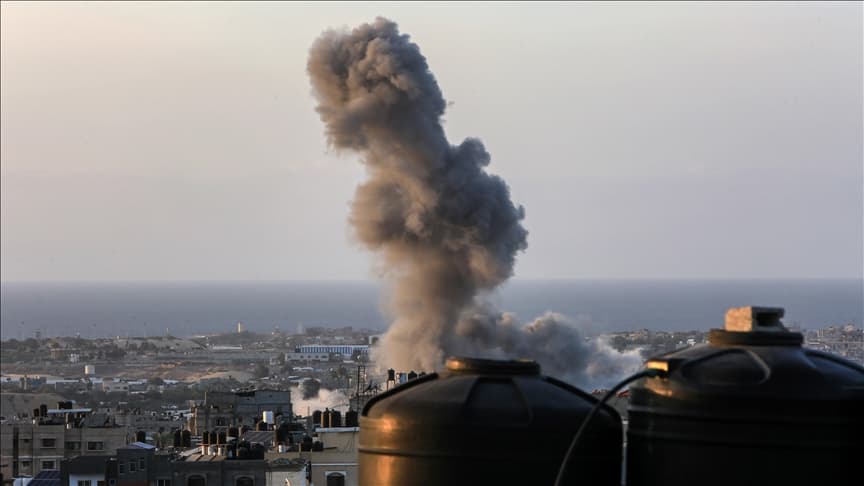
On September 9, 2025, Israel executed an airstrike in Qatar targeting Hamas leaders in a dramatic escalation of the ongoing conflict in the Middle East. This incident is notable not only for the act itself but also due to Qatar's geopolitical significance as a U.S. ally and host of America's largest military base in West Asia. The attack, attributed to Israeli Prime Minister Benjamin Netanyahu, revealed a disregard for Qatar's sovereignty and raised questions regarding the pursuit of peace in Gaza.
Key Points from the Article:
- Attack Date: September 9, 2025.
- Target: House where Hamas leaders were reportedly convening to discuss a ceasefire proposal.
- Criticism: Global condemnation followed the strike, including remarks from U.S. President Donald Trump, who expressed dissatisfaction despite being a strong ally of Israel.
- Netanyahu's Position: The Prime Minister accepted "full responsibility" for the attack, which appears to reflect his intent to pursue military objectives over diplomatic solutions.
- Impact on Ceasefire Efforts: The attack undermines previous ceasefire negotiations facilitated by Qatar, where Hamas had tentatively accepted proposals that Netanyahu rejected.
- Regional Implications: This escalation jeopardizes the fragile process of Arab-Israel normalization. Specifically, Saudi Arabia's potential pathway toward recognizing Israel is complicated by Israel's aggression against its Gulf Arab neighbor.
- International Criticism of U.S.: The airstrike is seen as a failure on the part of the Trump administration to leverage its influence to prevent aggression or seek a resolution to ongoing humanitarian crises in Gaza.
- India's Reaction: Prime Minister Narendra Modi condemned the violation of Qatar’s sovereignty without directly naming Israel, calling for a more robust position against Israel's military actions. The situation is particularly concerning for India, given the substantial Indian diaspora in the Gulf region.
Further Context:
- Ongoing Conflict: The broader context involves escalated violence following Hamas's October 7, 2023 attack on Israel, which has led to Israel conducting military operations in multiple Arab nations, including Lebanon, Syria, Yemen, and Iran.
- Ceasefire Dynamics: Previous discussions led to Hamas's conditional acceptance of ceasefire proposals from mediators, which Netanyahu rejected, along with ongoing offensive military strategies against Gaza City.
- Long-term Consequences: The attack on Qatar could hinder future negotiations and peace efforts in Gaza, demonstrating Netanyahu’s preference for military engagement over dialogue, which some analysts posit may threaten his government’s stability as the conflict drags on.
This summary outlines the central issues arising from the Israeli airstrike on Qatar, its implications for regional diplomacy, and the broader effects on international relations in the context of the ongoing Middle Eastern conflicts. The actions taken by Israel, alongside reactions from global powers and involved nations, signify a complex and volatile geopolitical landscape.
Key Terms & Concepts
| Israel | Country conducting military strikes |
| Qatar | Host of U.S. military base |
| Hamas | Group targeted by Israel |
| Gaza | Region under conflict |
| Iran | Country involved in aerial war |
| Syria | Country targeted by Israel |
| Lebanon | Country targeted by Israel |
| Yemen | Country targeted by Israel |
| Saudi Arabia | Country reconsidering normalization |
| Trump Administration | U.S. administration during conflict |
| West Asia | Region impacted by conflict |
| Gaza City | Location affected by conflict |
| India | Country observing conflict |