iAspirants
Current AffairsPrelims PYQsUPSC CSE SyllabusUPSC CSE StrategyBlogsPricing
Login
iAspirants

Your AI-powered companion for UPSC preparation.

Quick Links

  • Home
  • About Us
  • Current Affairs
  • Prelims PYQs
  • UPSC CSE Syllabus
  • UPSC CSE Strategy
  • Blogs

Company

  • Pricing
  • FAQs
  • Contact Us
  • Login

Legal

  • Privacy Policy
  • Terms & Conditions
  • Return Policy

© 2025 iAspirants, Inc. All rights reserved.

  1. Blogs
  2. Polity and Governance

Landmark Judgment in Sex Trafficking Case

Published on: 28-Aug-2026

Share this post

Landmark Judgment in Sex Trafficking Case

Article Summary

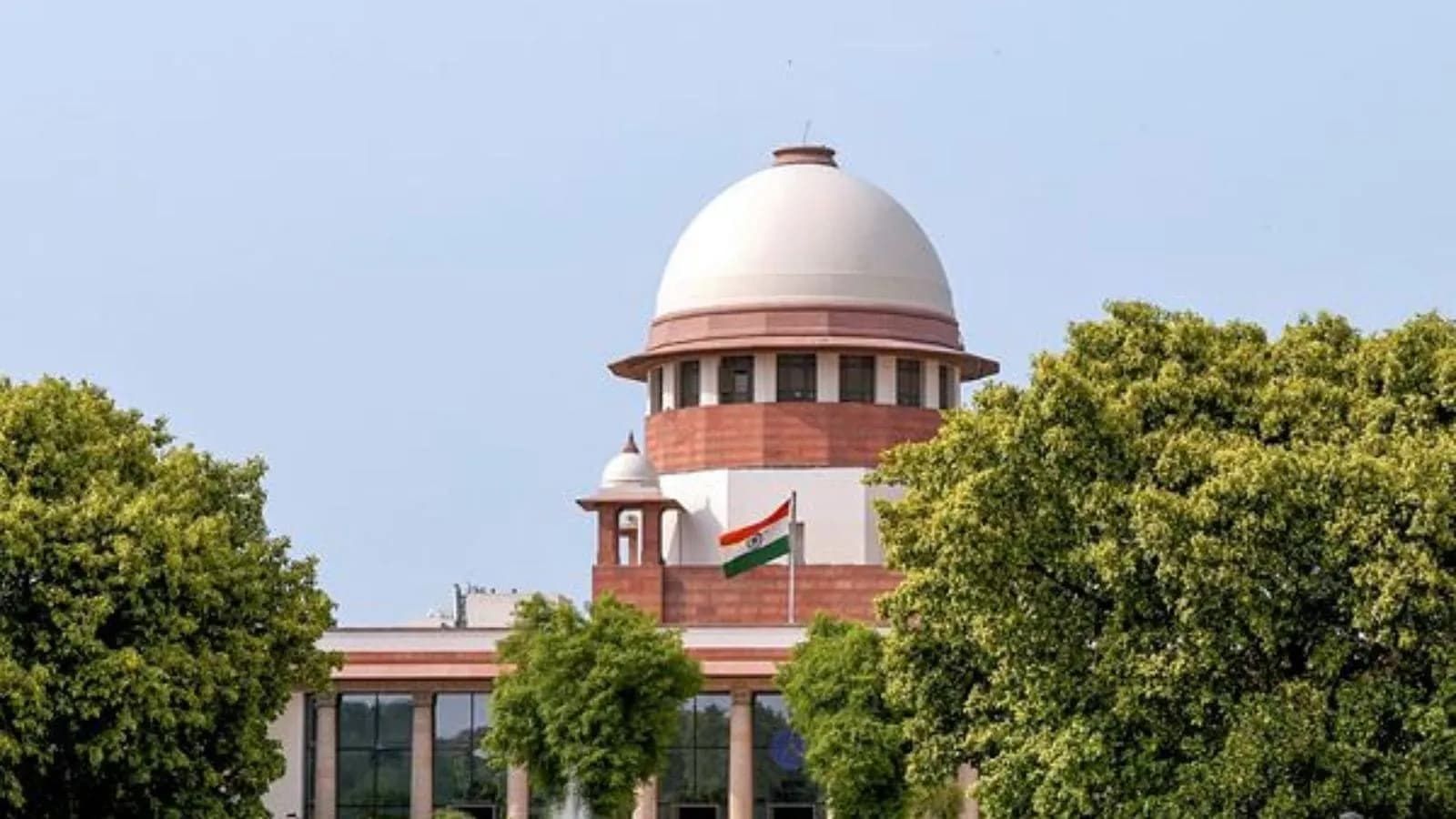
Summary of Prajwala vs. Union of India - Supreme Court Judgment (May 2026)

  1. Judicial Context:

    • The ruling was delivered by Justices J.B. Pardiwala and R. Mahadevan of the Supreme Court, marking a historic shift in recognizing the rights of sex-trafficked persons within the criminal justice framework.
  2. Background:

    • Originated from a 22-year-long public interest litigation by Prajwala, an anti-trafficking organization.
    • Motivated by systemic failures and institutional neglect in addressing the plight of trafficked individuals.
  3. Key Developments:

    • Led to the creation of significant government schemes including:
      • Ujjwala Scheme: Aimed at establishing safe homes for victims.
      • National Legal Services Authority (Victims of Trafficking and Commercial Sexual Exploitation) Scheme.
    • The scenario of victims remained largely unchanged despite these initiatives until the ruling.
  4. Judgment Highlights:

    • Recognition of Victims: Establishes that sex-trafficked persons should be treated with dignity and have their rights recognized, moving beyond the perception of assistance as mere charity.
    • Victim-Centric Approach: Aligns with constitutional provisions under Articles 32 and 142 of the Indian Constitution, emphasizing the entitlement of victims to rehabilitation and support.
    • Defining Victims: Acknowledges all women in sex work—including those coerced, those who have normalised trauma, and those who choose voluntarily—are classified as victims subject to exploitation.
    • Informed Consent: Reiterates that adult victims are entitled to informed consent regarding their choices and rehabilitation.
  5. Victim Protection Plan:

    • Goes beyond a judicial order to provide a coherent framework for protecting victims’ rights during rescue and rehabilitation processes.
    • Mandates "threshold inquiries" by magistrates within a week of a rescue to ascertain the true consent of individuals.
    • Incorporates the role of social workers for assessment of coercion or voluntary involvement and provides clear protocols for rescue operations.
  6. Operational Guidelines:

    • Identifies all anti-human trafficking units as police stations with defined roles for stakeholder responsibilities in victim support.
    • Requires that the victim's voice be integral to decisions regarding their futures.
  7. Implementation:

    • The plan serves as interim law until Parliament formulates new legislation, forming a significant leap in addressing the rights and dignity of sex-trafficked adult women within the justice system.
  8. Importance of the Ruling:

    • Represent a paradigm shift towards a system where victims are treated as agents of their own lives, marking a transformative approach in legal practices concerning sex trafficking in India.

This judgment serves as a crucial regulatory milestone aimed at eradication of sex trafficking and promoting justice within the framework of human rights.

Key Terms & Concepts

Prajwala vs. Union of IndiaLandmark legal case
Supreme Court of IndiaJudicial authority
Justice J.B. PardiwalaJudge in the case
Justice R. MahadevanJudge in the case
Ujjwala schemeGovernment scheme for victims
National Legal Services Authority (Victims of Trafficking and Commercial Sexual Exploitation) SchemeLegal aid for trafficking victims
National Investigation AgencyInvestigates human trafficking
Article 32Constitutional provision for rights
Article 142Constitutional provision for judicial orders
Victim Protection PlanFramework for victim rights
Threshold enquiryProcedure for victim assessment
Anti-human trafficking unitsDesignated police stations

Mind Map for UPSC Civil Services Revision

Turn UPSC Civil Services Current Affairs Into Exam-Ready Notes

Reading Polity and Governance current affairs is half the work. Revise them with ready-made notes and test what actually stuck.

  • Daily UPSC Civil Services current affairs analysis
  • Revision notes, mind maps & MCQs
  • Prelims mock tests with instant results

Related UPSC Civil Services Current Affairs Articles

Tribal Students Demand Government Attention
Polity and Governance28-Aug-2026

Tribal Students Demand Government Attention

Summary of Recent Tribal Student Protests in Maharashtra

Background

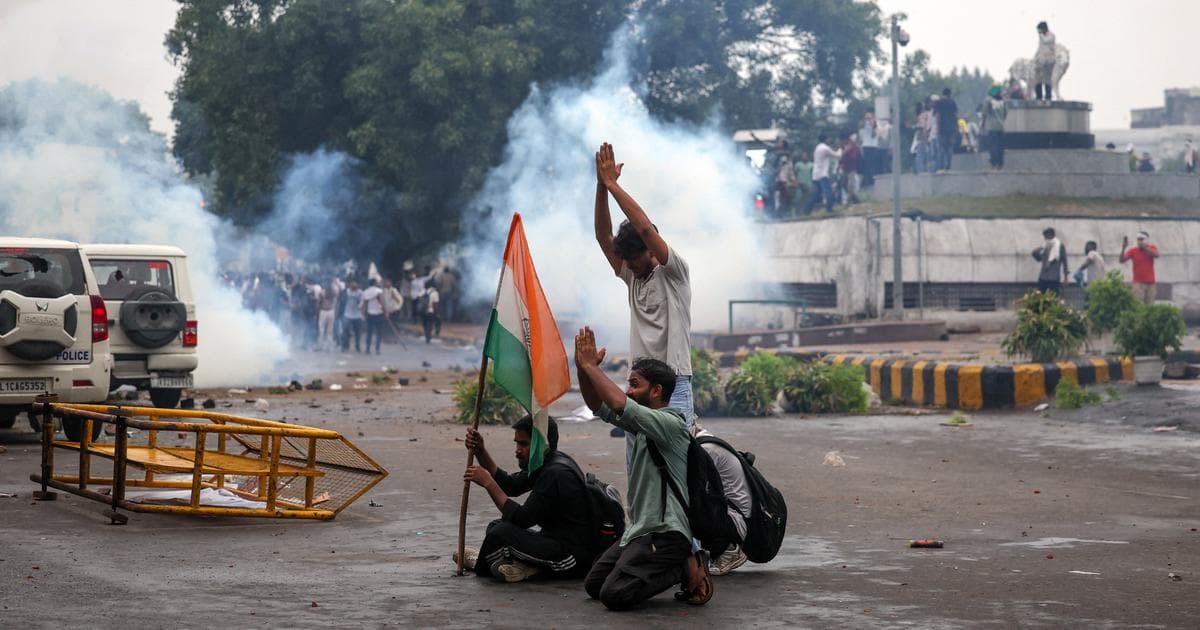
  • A hunger strike by tribal students commenced on August 12-13, 2026, at the Manjari Scheduled Tribes’ Hostel, near Pune, following various grievances. The protesters include around 70-80 students organized by gender, depicting significant youth mobilization.
Victim centric approachFocus on victim’s rights

Key Issues Raised

  • Government Job Vacancies: Protesters are demanding the filling of 12,500 government job positions for tribals, as upheld by a Supreme Court ruling in 2017.
  • Hostel Conditions: The students are advocating for improved infrastructure in hostels, including better kitchens and reading facilities.
  • Age Limit Policy: The immediate catalyst for protests was a government order capping the age limit for hostel stay at 26 years, which has now been revised to 30 years following protests.
  • Safety and Hygiene Concerns: Protesters have expressed concerns over the safety measures in hostels, requesting better security and hygiene practices.
  • Healthcare Support: Demands include health insurance for families affected by incidents such as the recent snakebite deaths of three tribal girls.

Government Response

  • The Maharashtra government held multiple rounds of discussions with the protesters and accepted one of their demands—removing the age limit for hostel admission.
  • Commitment to address the protesters’ grievances has been demonstrated, although only one out of 14 demands has been officially recognized.

Political Mobilization

  • Political figures, including Congress leader Rahul Gandhi, have publicly supported the students, leveraging platforms such as the 'Chhatron ki Goonj' rally on August 22, which enhanced visibility for their struggles.

Economic Context

  • Maharashtra houses approximately 59,020 students in 490 tribal hostels, highlighting the significant number of tribal students reliant on government facilities for education.
  • Compensation of ₹1 crore has been demanded for families of the deceased tribal girls, pointing to an exposed need for increased government accountability and support.

Judicial Oversight

  • The Supreme Court's directive (2017) regarding government job vacancies for tribals underscores a legal framework supporting the rights and demands of the marginalized community.

Mental Health and Medical Concerns

  • Protests have revealed severe conditions among hunger strikers, demanding immediate medical attention, emphasizing healthcare support as a critical issue among student demands.

Conclusion

The ongoing protests reflect deep-seated issues regarding the rights and welfare of tribal students in Maharashtra. Their fight underscores a notable intersection of education, employment, health, and safety, clashing with existing government policies and highlighting the need for significant reforms in tribal welfare programs. Continued mobilization and negotiation efforts appear crucial as both parties navigate toward potential resolutions.

Judicial Concerns in Rajasthan High Court
Polity and Governance27-Aug-2026

Judicial Concerns in Rajasthan High Court

Supreme Court Internal Correspondence - Key Points

  • Chief Justice of India (CJI): Surya Kant; Responded to letters from Justice Sandeep Mehta regarding Rajasthan High Court issues.

  • Judicial Concerns Raised:

    • Justice Mehta's letters highlight allegations of “favouritism” and “maladministration” within the Rajasthan High Court led by Acting Chief Justice (ACJ) Sanjeev Prakash Sharma.
    • Justice Mehta claims ACJ has displayed a lack of leadership and conduct unbecoming of a High Court leader.
  • Judicial Administration:

    • Allegations of cases being withdrawn and moved to the ACJ's bench without justification.
    • Claims that judges were threatened with retributive actions including transfers by the ACJ.
  • CJI’s Position:

    • Emphasized that allegations must be handled through established institutional mechanisms and cannot be decided publicly.
    • Stated that administrative actions concerning the ACJ will be taken by the competent authority after review.
  • Concerns Over Leadership:

    • Communication from Justice Mehta mentions the need for a regular Chief Justice in the Rajasthan High Court, noting repeated requests since early 2026 have not yielded results.
    • Indicated continuing issues such as “rampant nepotism and favouritism” and criticized the delay in appointing a Chief Justice from another state.
  • Judicial Independence:

    • Justice Mehta's letters address the growing trend of judges acting for “extraneous considerations” towards the end of their careers, referring to the ACJ's alleged corrupt practices.
  • Responses and Procedures:

    • The CJI has directed that Justice Sharma be given an opportunity to respond and that any decisions regarding the ACJ will consider all materials involved.
  • Historical Context:

    • Justice Sharma was appointed Acting Chief Justice of the Rajasthan High Court in September 2025, after a recommendation from the Supreme Court Collegium in May 2025, despite earlier recommendations for his repatriation being declined in March 2023.

Implications:

  • Reflection on the internal challenges within the judiciary and the need for accountability and oversight in judicial appointments.
  • Emphasis on procedural integrity in handling allegations against sitting judges to maintain judicial independence and institutional trust.
Judicial Appointments and Transparency Issues
Polity and Governance26-Aug-2026

Judicial Appointments and Transparency Issues

Notes on Judicial Appointments in India

Constitutional Articles and Rights

  • Article 14: Guarantees equality before the law, applicable to public employment, including judicial appointments.
  • Article 16: Provides for equality of opportunity in matters of public employment.

Judicial Precedents

  • First Judges Case (1981): Established executive primacy in judicial appointments.
  • Second Judges Case (1993, 4 SCC 441): Transferred primacy to Chief Justice of India (CJI) and senior judges’ opinion.
  • Third Judges Case (1998, 7 SCC 739): Formed the current five-member collegium system.
  • Secretary, State of Karnataka vs. Umadevi (2006, 4 SCC 1): Emphasized the need for transparent procedures in public appointments.
  • CPIO vs. Subhash Chandra Agarwal (2019, 3 SCC 1): Affirms CJI's office is subject to the Right to Information Act.

Judicial Appointments and Transparency Issues

  • Current collegium system criticized for lack of transparency, such as:
    • No notifications of vacancies.
    • Absence of an eligibility matrix.
    • Non-disclosure of members who participated in decisions.
  • Historical moves towards transparency regressed:
    • Resolutions of the collegium ceased naming decision-making members and justification after November 2024.
    • Recommendations rose to 30% for candidates related to sitting/retired judges (mainly in 2025).

Social Implications

  • Accusations of "nepotism" among judicial appointments, labeled "Uncle Judges."
  • Studies indicated that nearly one in three High Court judges and about 30% of Supreme Court judges had familial connections in the judiciary.

Reform Recommendations

  • Suggested reforms for collegium:
    1. Public announcements regarding anticipated vacancies.
    2. Open invitation for applications from qualified candidates.
    3. Objective eligibility criteria.
    4. Documented reasoning for candidate selections to assure fairness and accountability.

International Comparisons

  • United Kingdom: Uses a Judicial Appointments Commission that publicly advertises vacancies and conducts structured interviews.
  • South Africa: Implements a Judicial Service Commission that invites public nominations and conducts televised interviews.

Underlying Philosophical Debate

  • The ongoing discussion is about balancing judicial independence with the need for transparency and accountability.
  • Institutions resisting reform may face legitimacy erosion, impacting public trust and confidence in the judicial system.

This summary highlights significant aspects of the debate concerning judicial appointments in India, focusing on constitutional obligations, legal precedents, transparency issues, social concerns of nepotism, and reform suggestions rooted in comparative international practices.