iAspirants
Opposition Protests Against Electoral Reforms
Published on:
Share this post
Article Summary
Political Context
- Opposition leaders in India, led by Rahul Gandhi of the Congress party, are conducting discussions regarding protests aimed at suspending the Special Intensive Revision (SIR) of electoral rolls and calling for the removal of Chief Election Commissioner (CEC) Gyanesh Kumar.
- The movement is described as a unified struggle to restore democracy, involving multiple opposition parties under the Indian National Developmental Inclusive Alliance (INDIA).
Constitutional References
- Key focus on defending the Constitution of India and the system of free and fair elections against alleged corruption and "vote theft" perpetrated by current government officials.
- Articles related to the right to political dissent and expressions of democracy are underlined, especially regarding protest rights and freedom of assembly.
Judicial Actions
- The INDIA bloc has filed a petition with the Supreme Court seeking to halt the SIR. Responsibilities of the judiciary in upholding democracy and election integrity have been highlighted.
Government Schemes & Policies
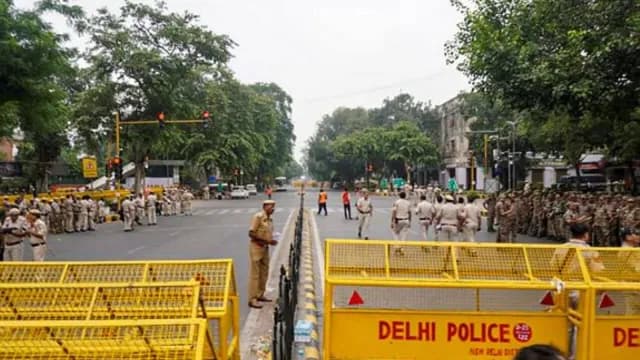
- Ongoing concerns about governmental actions perceived as infringing on democratic rights, including denotifying protest sites like Jantar Mantar, traditionally used for public demonstrations.
- Allegations that the ruling party is attempting to suppress dissent through intimidation and restrictions on protest locations.
Protests and Resistance
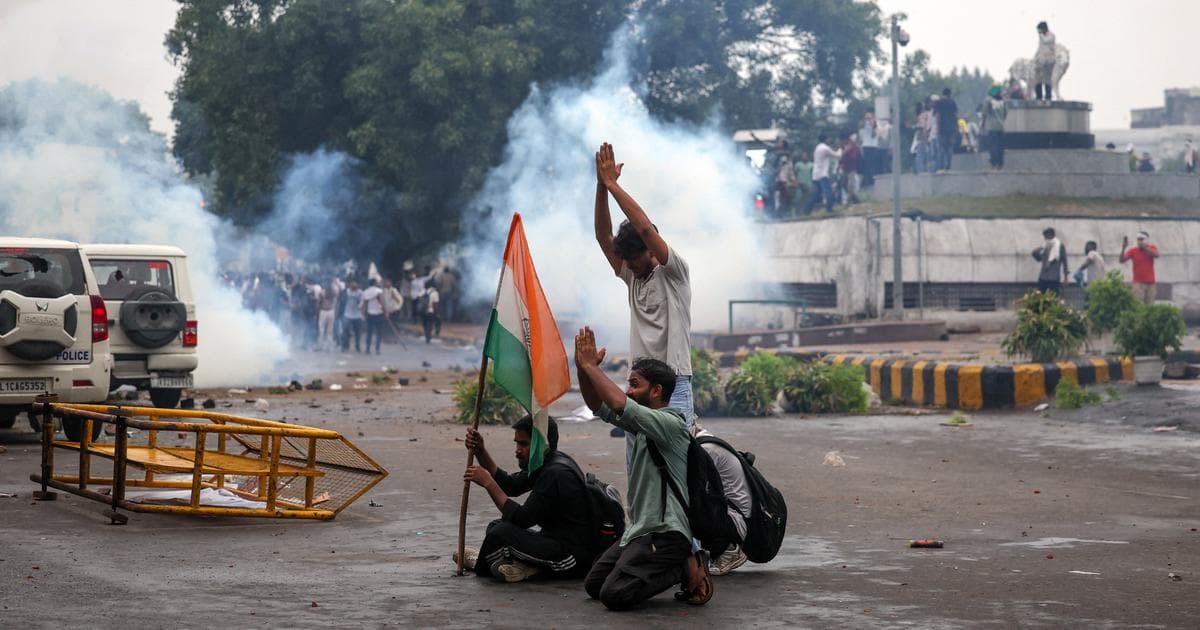
- There are ongoing and planned protests, particularly in Delhi, with coordination among 16 opposition parties. Large-scale actions are set to resume post-festivities.
- Resistance against governmental repression is a central theme, with the opposition pledging to restore enterprises of democracy that they believe are under threat.
Economic and Social Indicators
- Claims of a deteriorating democratic environment could have broader implications for governance and public trust in electoral processes, potentially affecting social and economic stability.
Statements from Leaders
- Rahul Gandhi has emphasized accountability for political leaders, particularly Prime Minister Narendra Modi and Home Minister Amit Shah, accusing them of undermining democratic processes.
- Comments from other leaders convey a sense of urgency and determination among the opposition to reclaim spaces for democratic expression and react against perceived governmental overreach.
Summary of Key Figures Involved
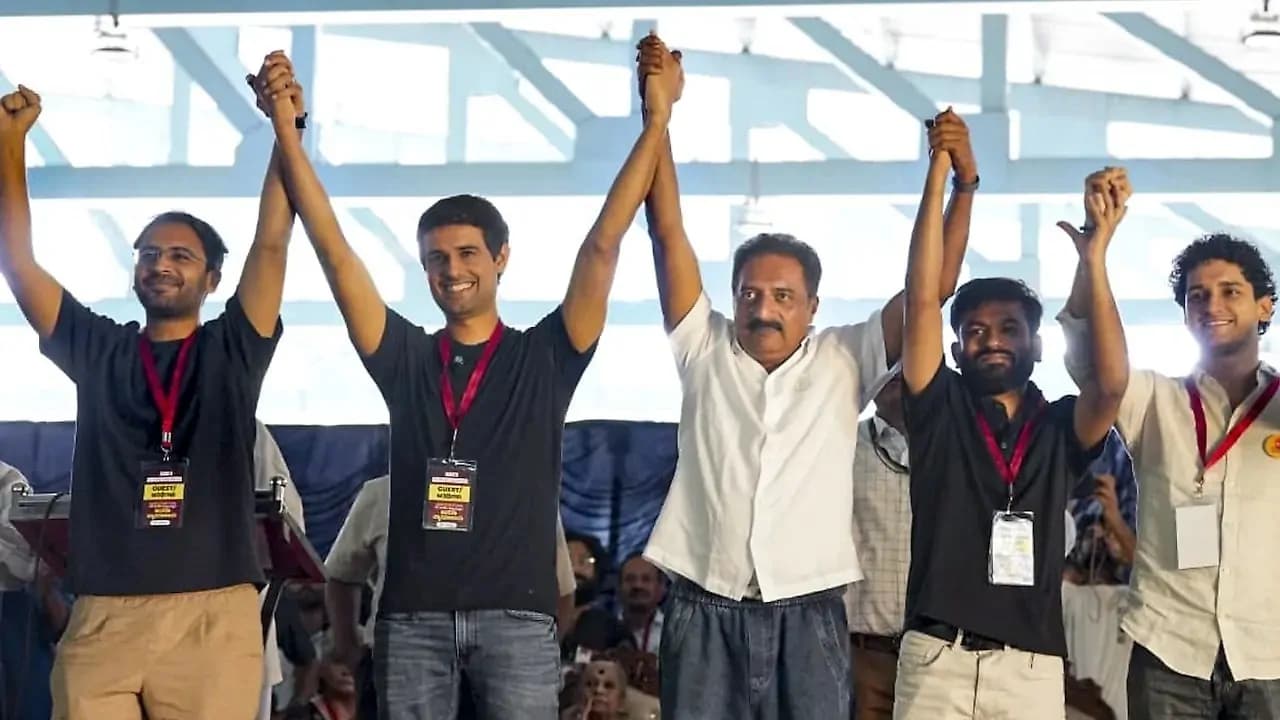
- Participation of various opposition leaders across parties, including CPI-M, RJD, JMM, SP, Shiv Sena-UBT, and TMC during discussions and protests, indicates a substantial political coalition against the ruling party.
Outlook and Future Actions
- Despite planned breaks for festive occasions, the momentum of protests is expected to continue, reflecting a sustained commitment to contest electoral reforms and governmental actions perceived as detrimental to democracy.
This summary captures the essential elements of the ongoing protests, key figures involved, and the broader implications regarding democracy and constitutional rights in India.
Key Terms & Concepts
| Chief Election Commissioner Gyanesh Kumar | Key figure in electoral issues |
| Supreme Court of India | Judicial authority in petition |
| Jantar Mantar | Designated protest site location |
| Indian National Developmental Inclusive Alliance (INDIA) | Opposition coalition organization |
| vote chori (theft) | Allegation of electoral fraud |
| Navratri and Durga Puja | Cultural festivals affecting protests |
| Cockroach Janata Party (CJP) | Youth movement group involved |
| Modi and Amit Shah | Accused of electoral misconduct |
| October 10, 2026 | Date of significant protest |
| 16 parties | Number of opposition parties involved |