iAspirants
Tribal Students Demand Government Attention
Published on:
Source: The Hindu
Share this post
Article Summary
Summary of Recent Tribal Student Protests in Maharashtra
Background
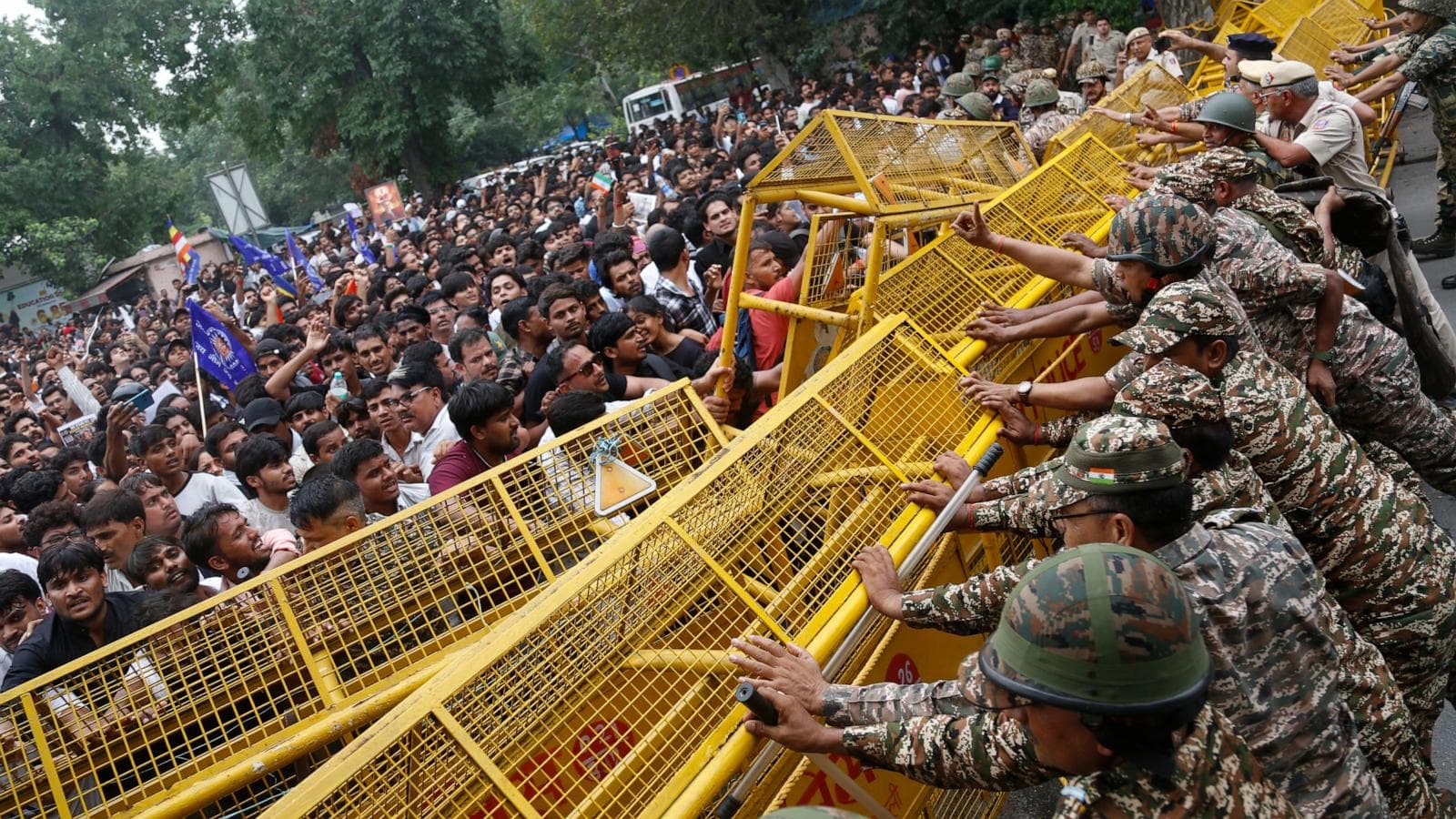
- A hunger strike by tribal students commenced on August 12-13, 2026, at the Manjari Scheduled Tribes’ Hostel, near Pune, following various grievances. The protesters include around 70-80 students organized by gender, depicting significant youth mobilization.
Key Issues Raised
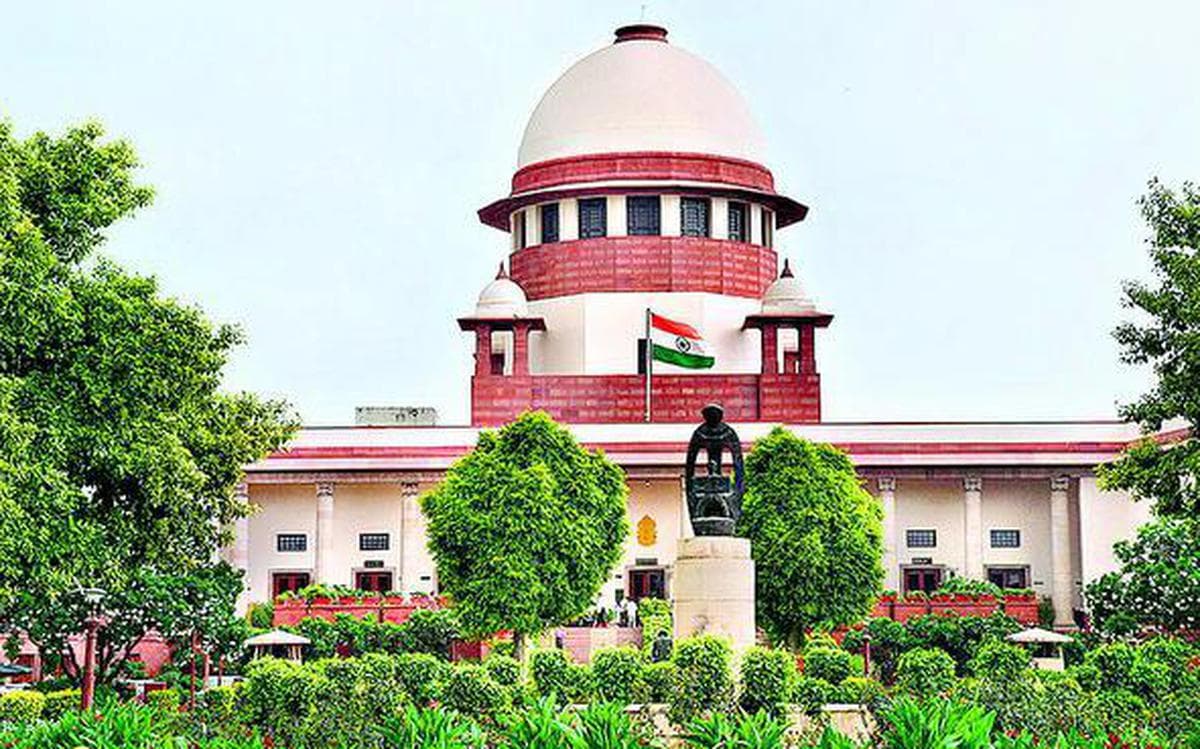
- Government Job Vacancies: Protesters are demanding the filling of 12,500 government job positions for tribals, as upheld by a Supreme Court ruling in 2017.
- Hostel Conditions: The students are advocating for improved infrastructure in hostels, including better kitchens and reading facilities.
- Age Limit Policy: The immediate catalyst for protests was a government order capping the age limit for hostel stay at 26 years, which has now been revised to 30 years following protests.
- Safety and Hygiene Concerns: Protesters have expressed concerns over the safety measures in hostels, requesting better security and hygiene practices.
- Healthcare Support: Demands include health insurance for families affected by incidents such as the recent snakebite deaths of three tribal girls.
Government Response
- The Maharashtra government held multiple rounds of discussions with the protesters and accepted one of their demands—removing the age limit for hostel admission.
- Commitment to address the protesters’ grievances has been demonstrated, although only one out of 14 demands has been officially recognized.
Political Mobilization
- Political figures, including Congress leader Rahul Gandhi, have publicly supported the students, leveraging platforms such as the 'Chhatron ki Goonj' rally on August 22, which enhanced visibility for their struggles.
Economic Context
- Maharashtra houses approximately 59,020 students in 490 tribal hostels, highlighting the significant number of tribal students reliant on government facilities for education.
- Compensation of ₹1 crore has been demanded for families of the deceased tribal girls, pointing to an exposed need for increased government accountability and support.
Judicial Oversight
- The Supreme Court's directive (2017) regarding government job vacancies for tribals underscores a legal framework supporting the rights and demands of the marginalized community.
Mental Health and Medical Concerns
- Protests have revealed severe conditions among hunger strikers, demanding immediate medical attention, emphasizing healthcare support as a critical issue among student demands.
Conclusion
The ongoing protests reflect deep-seated issues regarding the rights and welfare of tribal students in Maharashtra. Their fight underscores a notable intersection of education, employment, health, and safety, clashing with existing government policies and highlighting the need for significant reforms in tribal welfare programs. Continued mobilization and negotiation efforts appear crucial as both parties navigate toward potential resolutions.
Key Terms & Concepts
| Birsa Munda | symbol of indigenous rights |
| Supreme Court | ordered job filling for tribals |
| Maharashtra | location of protests |
| August 5 | age limit order issued |
| ₹1 crore | demand for compensation |
| 30 years | new age limit for hostels |
| 490 tribal hostels | accommodation for students |
| 26 | age limit cap for hostels |
| Loni Kalbhor Primary Health Centre | medical support location |
| August 12–13 | protest initiation dates |