iAspirants
US India Trade Relations Developments
Published on:
Share this post
Article Summary
Summary of US-India Trade Relations and Recent Developments
The trade relations between the United States and India have seen significant strain recently, particularly following the implementation of a 50 percent tariff on Indian goods entering the US. US Treasury Secretary Scott Bessent highlighted several complexities underlying this relationship during an interview, indicating that despite current tensions, he believes the two nations will eventually reconcile their differences.
Key Highlights:
Tariff Implementation: As of August 6, 2023, a cumulative tariff of 50 percent on Indian goods took effect, with additional tariffs announced earlier. This move has been closely tied to India's substantial imports of Russian oil.
Negotiation Stalls: Trade negotiations, which had commenced in February 2023, were initially expected to yield a deal by mid-year. However, communication has deteriorated due to India's stance on tariff negotiations and defense of its market access for agriculture and automotive exports.
Bessent's Insights: Bessent expressed that the complexities of the relationship stem not only from the tariffs but also from India's support for Russia’s oil purchases and the delay in concluding a trade deal. He also noted that India's actions have been seen as performative during these negotiations.
US Imports from India: The United States currently has a trade deficit with India, and Bessent pointed out that in trade disputes, it is usually the surplus country that faces greater concern.
India's Response: India has responded by asserting that the targeting of its Russian oil purchases is "unjustified and unreasonable," and stated that its oil imports from Russia became necessary as traditional supply routes were disrupted, particularly after the onset of the Ukraine war.
Oil Dependencies: Reports indicate that Russian crude now constitutes approximately 35-40 percent of India’s total oil imports, making Russia the largest supplier to India post-Ukraine invasion, displacing previous suppliers from West Asia.
US Pressure Tactics: The US administration appears to be leveraging trade relations as a means to pressure India into reducing its Russian oil imports, especially amid calls for international cooperation to end the Ukraine war.
European Involvement: Bessent noted the lack of European support in applying pressure on India regarding oil purchases, despite European nations purchasing refined products derived from Russian crude oil processed in India.
Economic Considerations: Indian refiners have stated that their oil purchasing strategies are dictated by commercial considerations, and no directives have been issued by the Indian government regarding Russian oil imports.
Currency Concerns: In response to concerns over India potentially trading in rupees with BRICS nations, Bessent mentioned that the Indian rupee is at a historic low against the US dollar.
Conclusion:
The ongoing trade negotiations reflect broader geopolitical tensions and economic dependencies, particularly linked to energy markets. The relationship continues to evolve against the backdrop of India’s strategic choices regarding oil imports from Russia and its desire to balance market access with protective measures for domestic industries.
Important Sentences:
- The US imposed a 50 percent tariff on Indian goods starting August 6, escalating trade tensions.
- US Treasury Secretary Bessent described the India-US relationship as “complicated” and reflective of deeper issues than just oil imports.
- India’s resistance to greater access for US agricultural exports complicates trade deal negotiations.
- Russian crude now constitutes 35-40 percent of India’s oil imports, becoming a significant supplier due to its previous marginal role in India's oil sourcing.
- The Indian government maintains that oil purchases are economic decisions made in response to market conditions, not influenced by external pressures.
- Bessent highlighted the need for greater European cooperation in pressuring India regarding its oil imports from Russia.
Key Terms & Concepts
| India | Country involved in trade |
| United States | Country involved in trade |
| tariffs | Trade barriers imposed |
| Russian oil | Key import causing tensions |
| Commerce Ministry | Officials managing trade relations |
| trade deal | Negotiation topic between countries |
| Ukraine war | Conflict influencing trade policies |
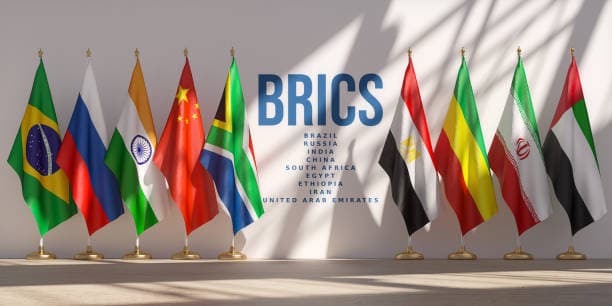
| BRICS countries | Potential trading bloc for India |