iAspirants
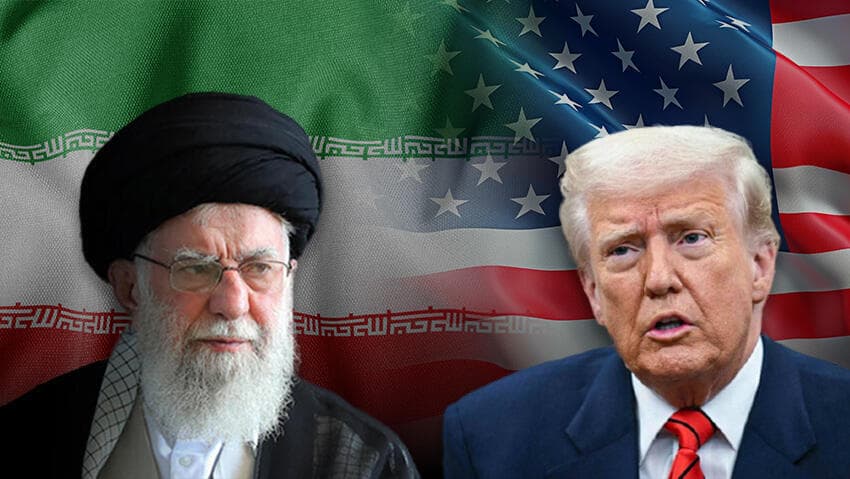
US-Iran Talks on Nuclear Crisis
Published on:
Share this post
Article Summary
Summary: US-Iran Relations and Implications for Global Oil Markets
Key Facts & Figures
- US-Iran Dialogue: Talks are set to occur in Oman regarding Iran's nuclear program amidst escalating tensions.
- Geopolitical Context: A potential military conflict in Iran could disrupt up to 20% of global oil and LNG supplies by blocking the Strait of Hormuz.
- Oil Price Sensitivity: Oil prices are fluctuating due to fears of conflict; a significant spike could occur if Iranian oil supply is cut off.
- Production Capacity: OPEC and other nations have a surplus oil production capacity of 3-4 million barrels per day (bpd).
- Iran's Oil Reserves: Holds the third-largest oil reserves globally, with production currently below 4 million bpd.
- Gas Reserves: Iran has the second-largest natural gas reserves, primarily located in the South Pars field, which it shares with Qatar.
Constitutional and Geopolitical Considerations
- US Objectives: The US aims to maintain petroleum dominance and political power in the West Asia region. By addressing Iran's nuclear program and exploring investments in its oil and gas infrastructure, it seeks to stabilize the region.
- China-Iran Relations: China is currently Iran's largest trading partner, reportedly purchasing over 1.5 million bpd of Iranian oil despite sanctions.
Economic Indicators
- US Oil Production: The US has become the world’s leading oil producer and top LNG exporter, closely followed by Saudi Arabia and Qatar.
- Potential Market Impacts: In the event of conflict, oil prices could rise sharply due to supply shortages, but may stabilize if blockades are cleared swiftly or production disruptions are minor.
Historical & Cultural Context
- Iranian Civilizational Consciousness: The Iranian populace resists foreign domination, recalling historical grievances, such as the overthrow of Prime Minister Mohammad Mossadegh in 1953 orchestrated by US interests.
- Regime Change Considerations: There is uncertainty about the viability of regime change in Iran, with the requirement for any new government to deliver economic stability while ensuring national sovereignty.
Technology and Investment
- Potential for Investment in Iran: US interests might push for a stable legal framework in Iran to encourage foreign investment in its oil industry, contingent upon resolving nuclear issues.
Risks & Comparisons
- Lessons from Iraq: The US's missteps during the Iraq invasion raise concerns about unintended consequences of military action and regime change, emphasizing the need for proper governance post-conflict.
This summary captures essential aspects of the discussions surrounding US-Iran relations and their implications for global oil markets while highlighting key economic indicators, strategic objectives, and the historical context underpinning current geopolitical dynamics.
Key Terms & Concepts
| Oman | Location for US-Iran talks |
| Strait of Hormuz | Critical oil transport route |
| 20% | Percentage of world's oil flow |
| OPEC | Oil production group |
| 3-4 million barrels per day | OPEC surplus production capacity |
| Iran | Country with largest gas reserves |
| South Pars | Largest gas field in the world |
| $40 billion | Qatar's gas exports value |
| 90 million | Iran's population size |
| 1953 | Year of Iran's prime minister overthrow |
| Mohammad Mossadegh | Overthrown prime minister |
| Iran-Iraq War | Conflict impacting oil production |