iAspirants
Zelenskyy and Trump Discuss Crimea Conflict
Published on:
Share this post
Article Summary
Summary of the Article on Ukraine's War and Crimea's Status
On August 18, 2023, Ukrainian President Volodymyr Zelenskyy met with US President Donald Trump in Washington, D.C., to discuss resolutions for the ongoing conflict with Russia, which began with the annexation of Crimea in 2014 and escalated into a larger war starting in 2022. Zelenskyy expressed a strong desire for a reliable and lasting peace, emphasizing that past concessions—such as Ukraine giving up Crimea—only led to further aggression from Russia.
Key Historical Context of the Crimea Conflict
- Annexation of Crimea: In March 2014, Russia annexed Crimea, a move widely condemned by the international community. Prior to this, the peninsula had a complex history of changing control, with Crimea being part of multiple empires over centuries, including the Ottoman Empire and the Russian Empire.
- Historical Claims: Since the 18th century, particularly post-1783, Crimea experienced significant Russian influence. The Soviet era saw the peninsula being part of the Ukrainian Soviet Socialist Republic until Ukraine gained independence in 1991.
- Crimean Tatar Deportation: During World War II, Joseph Stalin deported the Crimean Tatars, accusing them of collaborating with Nazi Germany. This led to a considerable decline in the Tatar population in Crimea.
Political Climate and Modern Developments
- EU and NATO Membership: At the meeting, Trump stated that Ukraine should abandon hopes of regaining Crimea and joining NATO, reiterating a contentious position that has varied among different US administrations.
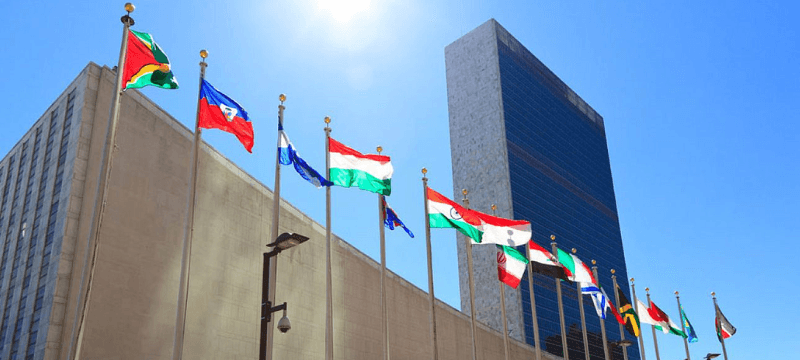
- International Response: In 2014, the United Nations General Assembly passed a resolution affirming Crimea as part of Ukraine. However, a significant argument exists regarding national identities within Crimea, where many identify culturally as Crimean rather than strictly Russian or Ukrainian.
- Trump's Stance: Trump's recent comments signal a shift in the US narrative towards diplomatic resolutions rather than military options. He claimed Zelenskyy could end the war quickly if he desired, placing pressure on the Ukrainian leadership.
Additional Points on Crimea's Status:
- Current Demographics: Ethnic Russians constitute a majority in Crimea, while Crimean Tatars remain a significant historical population but face socio-political challenges.
- International Relations: Post-2014, the US, EU, and NATO countries have enforced sanctions against Russia but have often had divergent views on Ukraine's future ties with these entities.
- Historical Misrepresentations: Critics accuse Russia of manipulating the historical narrative surrounding Crimea, asserting the legitimacy of its claims while international observers offer differing perspectives on local identities and political allegiances.
Summary of Key Dates and Events
- 2014: Russia annexes Crimea following a controversial referendum.
- 2013: Euromaidan protests lead to the ousting of President Viktor Yanukovych.
- 1944: Deportation of Crimean Tatars en masse by Stalin.
- 1954: Transfer of Crimea from the Russian Soviet Federative Socialist Republic to the Ukrainian Soviet Socialist Republic.
Conclusion
The historical context and current geopolitical dynamics of Crimea remain central issues in Ukraine's conflict with Russia. Both the Ukrainian government and international bodies continue to struggle with the implications of sovereignty, national identity, and historical grievances as they navigate complex diplomatic engagements.
Important Sentences:
- Zelenskyy met Trump on August 18, 2023, seeking resolutions to the war ignited by Russia’s actions beginning in 2022.
- Crimea has a rich history of conflict, alternating between various empires before being annexed by Russia in 2014.
- The international community, including the UN, recognizes Crimea as part of Ukraine.
- Trump's recent statements suggest a departure from the previously held US stance of supporting Ukraine’s territorial integrity.
- The demographic composition of Crimea, with a significant Russian-speaking population, complicates the narrative surrounding national identity and allegiance.
Key Terms & Concepts
| Crimea | Contested territory in dispute |
| Ukrainian Parliament | Government body of Ukraine |
| NATO | Military alliance of nations |
| US | Country involved in conflict |
| Russia | Aggressor in Crimea annexation |
| EU | Regional political entity |
| Black Sea | Bordering sea of Crimea |
| Sea of Azov | Another border of Crimea |
| Crimean Khanate | Historical state in Crimea |
| USSR | Former Soviet state |